



Outlook Mail Inbox View Changed Free Printable Overview
Sometimes, when you're trying to learn about an old communication system like telex, it can be hard to find simple, modern examples that relate to our everyday lives. I mean, who even uses a telex machine these days, right? But understanding what is a telex message trhough email can be a fun and practical way to explore telex communication systems and their unique message format. So, if you're a parent, teacher, or homeschooler looking for a creative way to teach kids about old-school communication, this worksheet guide might be a fun resource!
Stopping messages from slipping through the cracks.
Unveiling the Secrets of Telex Communication: A Modern Twist
Telex messages, though an old-school communication method, can still teach us a lot about the evolution of messaging and its unique format. By exploring the concept of a telex message through email, we open up a world of practical learning opportunities, especially for parents, teachers, and homeschoolers seeking creative ways to engage kids with history and communication systems.
Understanding the difference between telex and seaway.
Decoding the Telex Message: A Worksheet Adventure
The "What is a Telex Message Through Email" worksheet is an innovative tool designed to introduce learners to the fascinating world of telex communication. It offers a hands-on approach to understanding how telex messages, a form of electronic communication, were structured and transmitted. Through this worksheet, students embark on a journey to decipher the unique format of telex messages, exploring its components and learning how it differs from modern email communication.
Contact information for Telex | Télévision Étudiante.
This worksheet is an excellent resource for students aged 12 and above, especially those studying history, communication, or technology. It provides a practical and engaging way to learn about a bygone era of communication, helping students develop critical thinking and analytical skills as they compare and contrast telex messages with modern digital communication methods.
Enhancing customer experience with off-hours email messages.
What Makes a Telex Message Unique?
A telex message, or a telex communication system, is a form of electronic communication that was widely used before the advent of email and the internet. It allowed for rapid transmission of text-based messages over long distances, connecting people and businesses globally. One of the most distinctive features of a telex message is its format, which is quite different from the emails we send today.
Office procedures and protocols.
Telex messages were sent using a telex messaging network, a dedicated network of telex machines connected via telephone lines. Each message had a specific structure, including a telex message number, the sender's and recipient's details, and the actual text of the message. The format was concise and efficient, designed for quick transmission and delivery.
Nazi Germany's telex message: a historical document.
How Can I Use This Worksheet Effectively?
The "What is a Telex Message Through Email" worksheet is a versatile resource that can be used in various educational settings. Here are some practical tips on how to incorporate it into your teaching or learning:
Jayanthon Shannmugam's resume.
- Classroom Setting: Teachers can use this worksheet as an introduction to a unit on communication history. It can spark interesting discussions about the evolution of communication technology and its impact on society.
- Homeschooling: Parents can incorporate this worksheet into their curriculum to teach their children about the past and how people communicated before the digital age. It's a great way to make history come alive!
- Tutoring Sessions: Tutors can use this worksheet to reinforce learning about communication systems. It provides a practical application of historical knowledge, helping students understand the context and importance of telex messages.
- Independent Learning: Students can also use this worksheet on their own to explore telex communication and its unique format. It offers a self-guided learning experience, allowing students to delve into the world of telex messages at their own pace.
Noting and drafting techniques.
When using this worksheet, it's important to consider the printing and practical aspects. Ensure you have a good quality printer to produce clear and readable worksheets. Consider laminating the worksheets for durability, especially if they will be used by multiple students. Additionally, provide students with the necessary writing utensils and encourage them to take their time, as deciphering telex messages requires careful attention to detail.
Message switching and delivery.
Unlocking the Benefits: Practice and Progression
The "What is a Telex Message Through Email" worksheet offers a range of benefits for learners. Firstly, it provides a practical and engaging way to learn about telex communication, a topic that might otherwise seem dry and outdated. By working through the worksheet, students develop their analytical skills as they compare and contrast telex messages with modern communication methods.
Principles of communication engineering.
This worksheet also encourages critical thinking as students explore the unique format and structure of telex messages. They learn to identify the key components of a telex message and understand its purpose and function. As they progress through the worksheet, students can move from basic understanding to more advanced analysis, delving deeper into the intricacies of telex communication.
Essay writing: a step-by-step guide.
Furthermore, this worksheet can be a valuable tool for teaching students about the importance of clear and concise communication. By studying the concise and efficient format of telex messages, students can appreciate the value of effective communication in various contexts, from personal correspondence to business transactions.
Mirna's 2015 resume.
In conclusion, the "What is a Telex Message Through Email" worksheet is a powerful educational resource that offers a unique and engaging way to learn about telex communication. It provides a practical and hands-on approach to understanding this old-school communication system, making it an excellent tool for parents, teachers, and learners alike. By exploring the world of telex messages, students can gain a deeper appreciation for the evolution of communication technology and its impact on our modern world.
So, there you have it! A telex message, a blast from the past, has the potential to spark curiosity and creativity, especially when paired with modern tools like email. It's a fun way to explore history and communication, and who knows, it might just inspire some unique learning experiences.
Why not give it a go? Print out a worksheet, gather your pens, and see how this old-school method can bring a smile to your face. It's a great way to connect with the past and have some fun while learning. We'd love to hear your thoughts and experiences, so feel free to share them below!
Resume of Arun Kumar M Chandrasekar.
Read also: 27 Funny Quotes for a 40th Birthday
Related: How to Fix Your Outlook Inbox View
I've always found it fascinating how something as simple as an email client can become a bit of a mystery when things go awry. Like, one day, your Outlook inbox is just fine, and the next, it's all condensed and weird, and you're like, "Why is my outlook inbox condensed?" It's a small frustration, I know, but one that can be a real pain when you're trying to get things done. So, I thought I'd share a little guide on fixing outlook inbox view, a handy skill to have, especially if you're a student, parent, or teacher navigating the digital world.
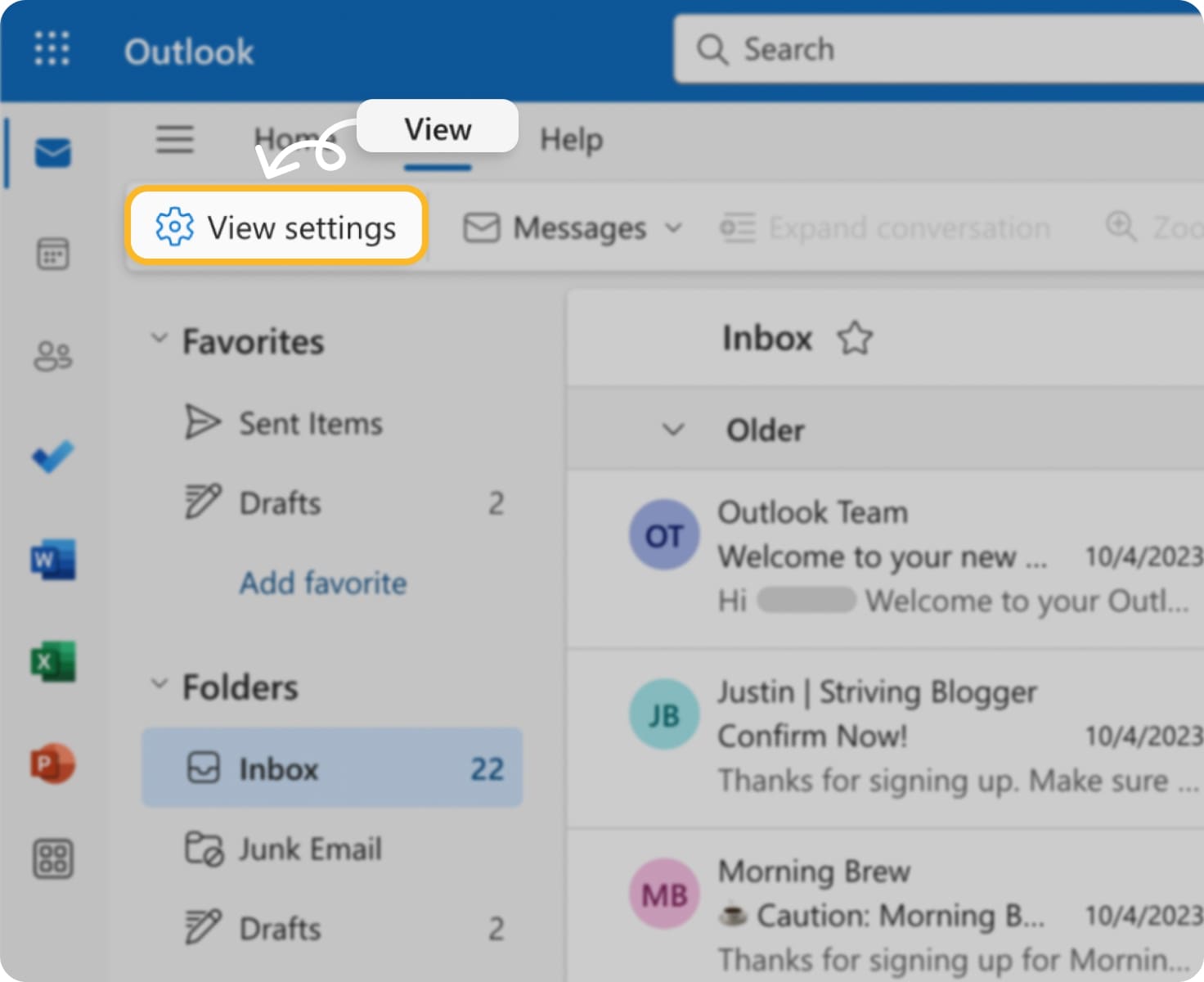
Outlook's view settings: a simple guide.
Outlook Inbox View: Mastering the Art of Organization
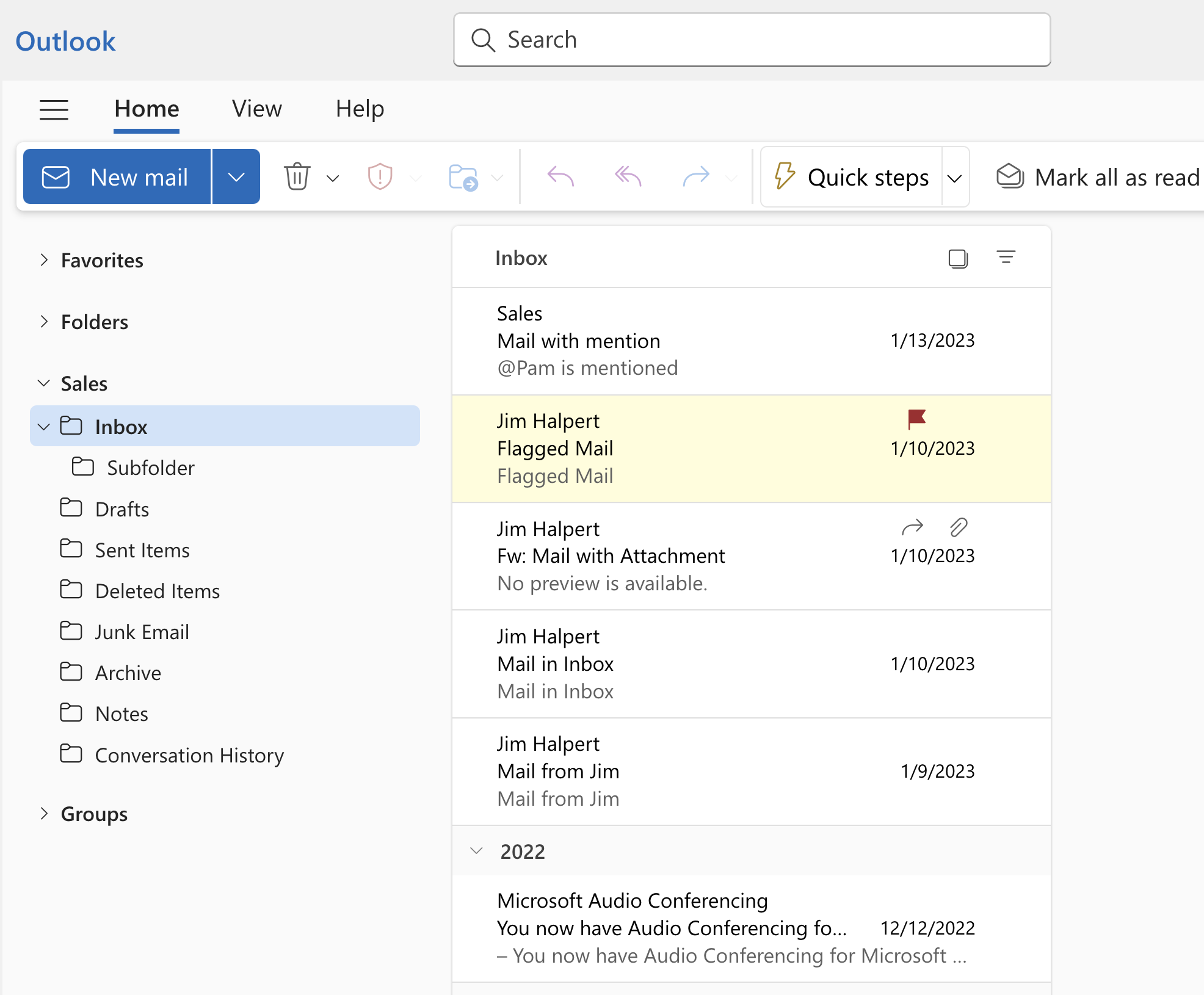
Outlook, a widely used email client, offers a range of features to help users manage their inboxes efficiently. However, when the inbox view becomes condensed or distorted, it can be a source of frustration and confusion. This guide aims to demystify the process of fixing and customizing your Outlook inbox view, ensuring a seamless and personalized experience.
Microsoft's fix for Outlook's biggest issue.
Customizing Your Inbox: Beyond the Basics
While Outlook provides a default inbox view, the real power lies in its customization options. Users can tailor the inbox to their specific needs, making it a highly efficient tool for email management. This involves adjusting the layout, sorting and filtering options, and even creating personalized views for different tasks or projects.
Outlook: 3 quick fixes for shared mailbox issues.
For instance, students can create a view focused on organizing emails from different courses, prioritizing assignments, and filtering out less important messages. Parents, on the other hand, might prefer a view that highlights emails from their children's schools or important family updates, keeping them organized and informed.
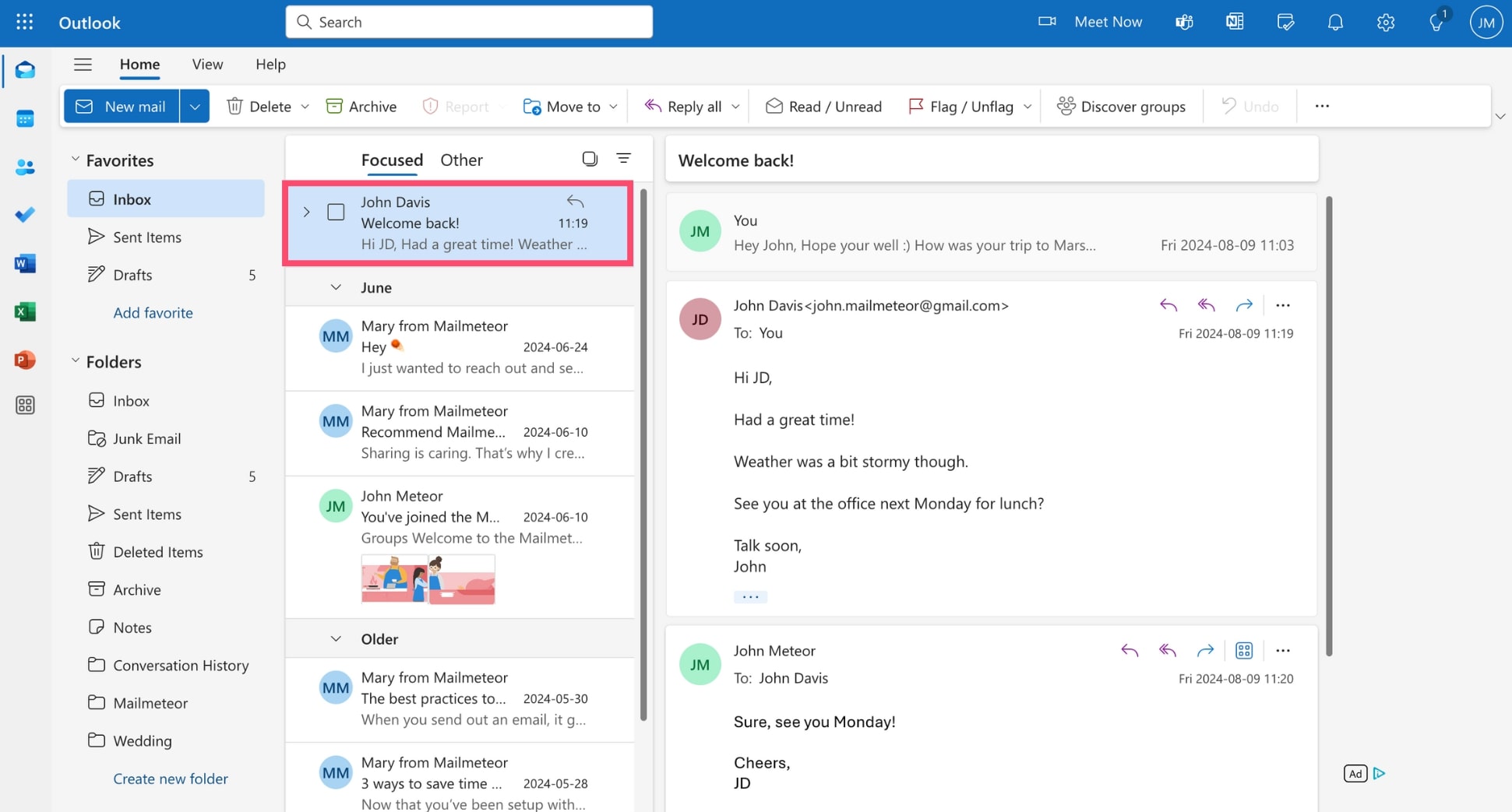
Focused Inbox: what it is and how it works.
People Also Ask: Why Does My Outlook Inbox View Change Unexpectedly?
One common question that arises is why Outlook inbox views sometimes change unexpectedly. This can be due to various reasons, including updates to the Outlook software, changes in email account settings, or even accidental adjustments made by the user. Understanding these potential causes can help users troubleshoot and prevent future issues.
Outlook inbox: how to restore its original view.
It's important to note that Outlook's view settings are often saved at the account level, so changes made on one device or computer may be reflected across all devices linked to that account. This can be both a convenience and a challenge, depending on the situation.
Why did my Outlook inbox view change?
How to Reset and Adjust Your Outlook Inbox View
If you find yourself in a situation where your Outlook inbox view has changed unexpectedly or you simply want to start with a clean slate, resetting the view is a straightforward process. Outlook provides a "Reset View" option, allowing users to restore the default settings.
Quick fixes for a cluttered Outlook inbox.
Additionally, users can customize their view by adjusting columns, sorting options, and even adding or removing quick view changes. This level of control ensures that users can create a view that suits their specific needs and preferences, making email management more efficient and enjoyable.
Step-by-step: changing the Inbox view in Outlook.
Practical Application: Organizing Emails for Productivity
One of the key benefits of mastering Outlook's inbox view customization is the ability to organize emails effectively. By setting up specific views for different purposes, users can quickly access and manage their emails, improving productivity and reducing the time spent searching for important messages.
Outlook calendar: changing the view, made easy.
For example, a teacher might create a view that sorts emails by sender, with a focus on student submissions. This allows them to quickly review and grade assignments, ensuring a streamlined workflow. Similarly, a business professional can set up a view that prioritizes emails based on urgency or importance, making it easier to respond to clients and colleagues promptly.
Outlook: adjusting font size for message lists.
By understanding how to fix and customize their Outlook inbox view, users can transform a simple email client into a powerful tool for organization and productivity. It's a skill that can be easily learned and applied, making email management a breeze, even for those with busy schedules or complex email needs.
Focused Inbox not working? A quick fix.
How to Do Spiderman Net Hand Move is a fun break from the digital world, but for those who want to dive deeper into Outlook's features, mastering the inbox view is a great place to start. With a little practice, users can navigate their inboxes with ease, making the most of this versatile email client.
Outlook: 11 ways to customize your view.
So, there you have it! You now possess the knowledge to take control of your Outlook inbox and make it work for you. Remember, a well-organized inbox is a powerful tool, and with these tips, you can customize your view to suit your needs perfectly.
Why not give it a go and see how much more efficient your email management becomes? Leave a comment or share your experience below; I'd love to hear how these tricks have helped streamline your Outlook journey!
Personalize Outlook with these easy view changes.
Read also: Exploring the Magic of Dew Haven Animal Zoo
Related: How to Fix Your Outlook Inbox View
I've had my fair share of Outlook inbox woes, and I'm sure many of you can relate. It's so frustrating when your inbox view suddenly changes, and you're left wondering why it's condensed or why the layout has shifted. It's like a little puzzle you didn't ask for! I remember attending Kriats Funeral and feeling so lost with the strange Outlook view, so I had to figure out how to fix outlook inbox view and get it back to normal.
Fix shared mailbox visibility in Outlook.
Mastering Outlook Inbox Views: A Comprehensive Guide
Outlook inbox views can be a real headache, especially when they suddenly change, leaving you confused and frustrated. It's a common issue that many of us face, and finding a solution can be a relief. So, let's dive into the world of Outlook inbox views and learn how to fix and customize them to our preferences.
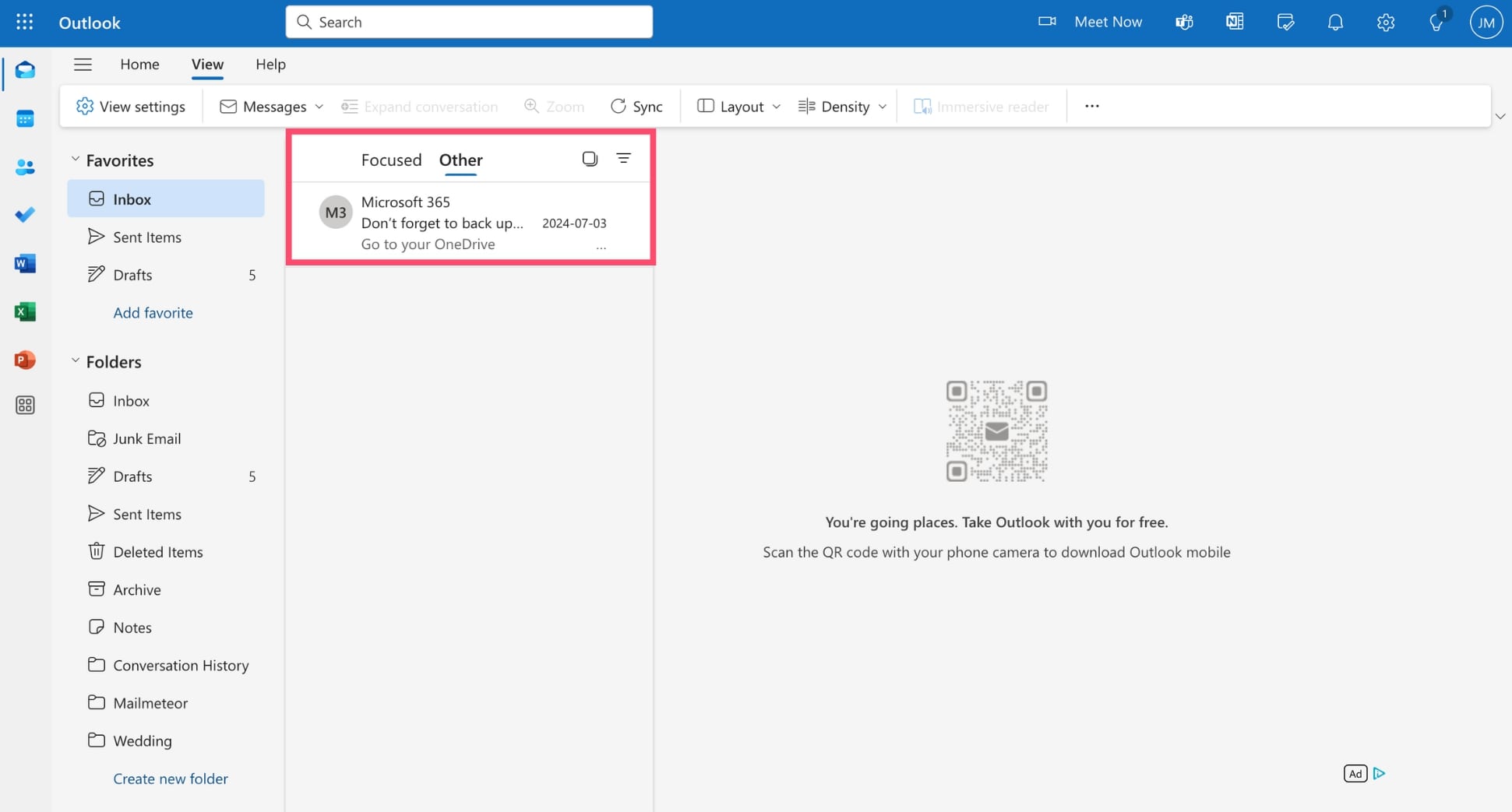
Understanding and managing the Focused Inbox feature.
Customizing Outlook Views: Beyond the Basics
While the default Outlook inbox view works for many, there are times when we need to adapt and adjust. Outlook offers a range of customization options to create views that suit our specific needs. Whether you're a busy professional, a student managing multiple email accounts, or simply someone who wants a more organized inbox, learning to customize views is a valuable skill.
Quick tips to declutter and organize your Outlook inbox.
With Outlook's customization tools, you can create views that highlight important emails, organize messages by priority, or filter out distractions. It's all about tailoring your inbox to your workflow and preferences. This level of customization ensures that you can quickly access the information you need, improving your productivity and reducing the time spent searching through emails.
Adjusting font size for better Outlook message list readability.
Why Does My Outlook Inbox View Change?
Outlook inbox view changed automatically - a phrase that might have crossed your mind if you've ever experienced this unexpected shift. Outlook, like many software programs, occasionally updates its features and interface. These updates can sometimes result in changes to your inbox view, leaving you with a condensed or altered layout.
Customizing Outlook email views with free online forms.
Additionally, Outlook provides users with the ability to create and switch between different views. If you've accidentally activated a custom view or if a setting has been inadvertently altered, it can lead to a sudden change in your inbox appearance. Understanding these potential causes can help you troubleshoot and restore your preferred inbox view.
Resetting Outlook views to default settings.
How to Change Outlook View Back to Normal
If you're faced with an unexpected change to your Outlook inbox view, don't panic! Restoring your preferred view is a straightforward process. Here's a step-by-step guide:
Changing Outlook calendar views for better organization.
- Open Outlook and navigate to the View tab in the ribbon.
- Click on Change View and select the desired view from the drop-down menu. Common options include Current View, Custom, and More Views.
- If you've created custom views, you can choose from those or select Reset Current View to restore the default settings.
- Outlook will prompt you to confirm the reset. Click Yes to proceed.
- Your inbox should now display the default view, with all emails visible and organized as expected.
Troubleshooting and fixing issues with Outlook's Focused Inbox.
Remember, if you frequently find yourself adjusting your inbox view, it might be worth creating a custom view that suits your needs. This way, you can quickly switch to your preferred layout without going through the reset process every time.
Personalize your Outlook experience with these simple view changes.
Practical Tips for Organizing Your Outlook Inbox
Outlook offers a range of tools to help you organize and manage your emails efficiently. Here are some practical tips to make the most of these features:
Easy ways to customize your Outlook email view and experience.
- Sort and Filter: Use the sort and filter options to quickly organize your emails. Sort by date, sender, or subject to find specific messages. Filter emails by sender, recipient, or keyword to focus on relevant conversations.
- Adjust Settings: Customize your inbox settings to suit your preferences. You can adjust the reading pane, preview messages, and even set up rules to automatically organize emails into specific folders.
- Custom Views: Create custom views for different purposes. For example, you might have a view for urgent tasks, one for client emails, and another for personal messages. This way, you can quickly switch between views to focus on what's important.
- Reset View: If you've made extensive changes to your view and want to start over, the reset view option is a quick fix. It restores the default settings, giving you a clean slate to rebuild your preferred view.
- Organize Emails: Use folders and subfolders to keep your inbox organized. Label emails with categories or colors to quickly identify important messages. This visual organization can make it easier to locate and manage your emails.
Organizing your email and managing email addresses effectively.
By utilizing these tools and features, you can transform your Outlook inbox into a well-organized and efficient workspace.
Managing shared mailboxes in Outlook for efficient collaboration.
Outlook Inbox Views: A Powerful Tool for Productivity
Outlook inbox views are more than just a way to organize emails; they are a powerful tool to enhance your productivity. By customizing your views, you can create a workspace that suits your unique needs and workflow. Whether you're managing a busy schedule, collaborating on projects, or simply wanting to stay on top of your emails, Outlook's view customization options can help you achieve your goals.
With the ability to sort, filter, and organize emails efficiently, you can quickly access the information you need. This level of organization not only saves time but also reduces stress and improves your overall productivity. Outlook's flexibility allows you to adapt your inbox to your changing needs, ensuring that you always have a tailored and efficient workspace.
So, the next time you find yourself facing an unexpected change to your Outlook inbox view, remember that you have the power to take control and customize it to your liking. With a few simple steps and some practical tips, you can make Outlook work for you, boosting your productivity and making email management a breeze.
Well, I hope this guide has provided some much-needed relief and control over your Outlook inbox views. It's a simple fix but can make a world of difference in your daily workflow.
Remember, customizing your views is a personal preference, so take some time to experiment and find the setup that works best for you. Don't be afraid to mix and match, and don't forget to save your preferred views for future use.
Give it a go, and don't hesitate to leave a comment or share your experience below. I'd love to hear how this guide has helped you and any unique ways you've tailored your Outlook views!
Troubleshooting unread message errors in Outlook.
Read also: 21 Free Onenote Templates You Will Love