The quest for a slimmer, healthier body is a journey many embark on, with numerous paths promising success. Among these, over-the-counter (OTC) weight loss solutions stand out as a popular choice, offering convenience and accessibility. However, it’s crucial to navigate this market with a discerning eye, understanding both the potential benefits and the limitations of these products.
Understanding OTC Weight Loss Products
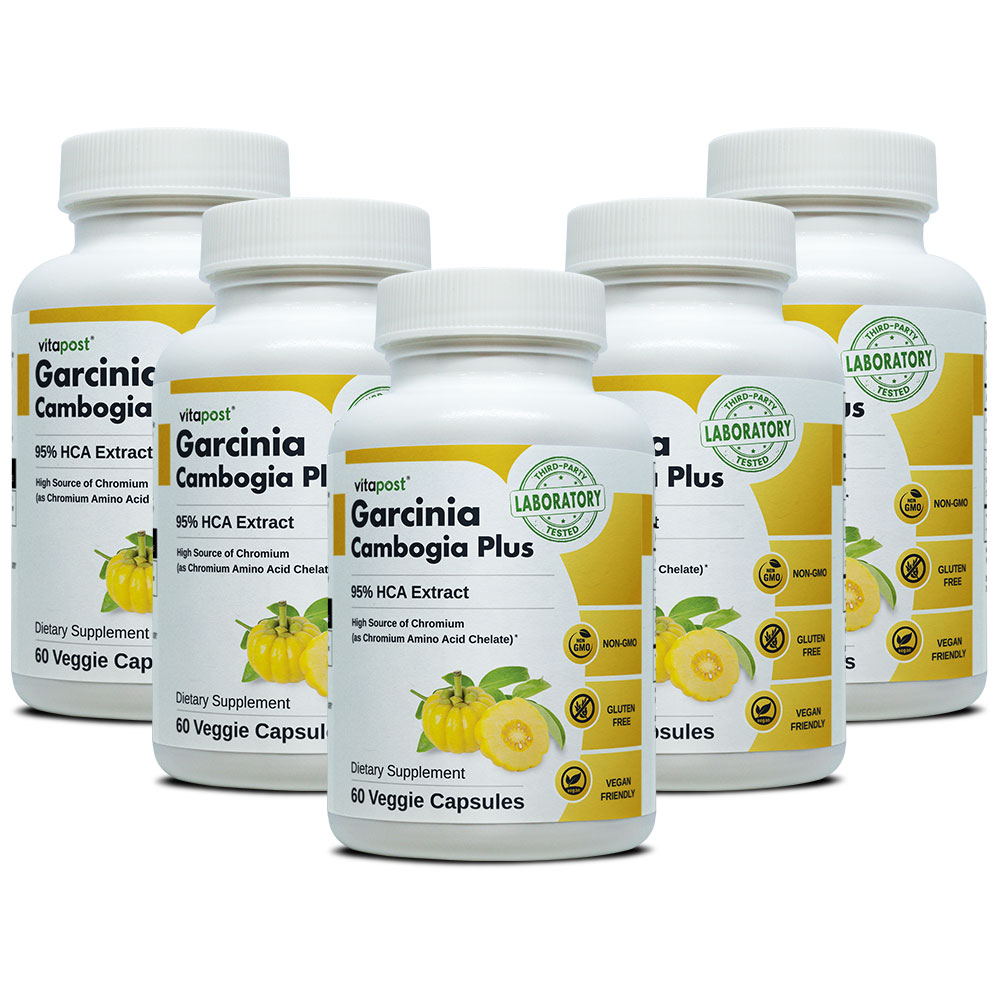
OTC weight loss products encompass a wide range of supplements, from herbal extracts like green tea and Garcinia cambogia, to nutrient supplements such as conjugated linoleic acid (CLA) and chromium picolinate. Each claims to aid in weight loss through various mechanisms, such as enhancing metabolism, suppressing appetite, or blocking fat absorption. The diversity of these products reflects the complexity of weight management, which involves biological, psychological, and lifestyle factors.
Evaluating Effectiveness
The effectiveness of OTC weight loss products varies significantly. Some, like orlistat (Alli), have been approved by the FDA for weight loss, as they have demonstrated efficacy in clinical trials. Orlistat works by reducing fat absorption, leading to a modest weight loss when combined with a low-calorie diet. However, for many other supplements, the evidence is less clear-cut. For instance, while green tea extract and Garcinia cambogia are popular for their supposed weight loss benefits, research often shows mixed results, with some studies finding minimal to no significant impact on weight loss.
Safety Considerations
Safety is a paramount concern when considering OTC weight loss products. Unlike prescription medications, which undergo rigorous testing for efficacy and safety, the regulation of dietary supplements is less stringent. This means that the quality and safety of these products can vary widely. Some may contain hidden ingredients, including prescription drugs, which can interact with other medications or exacerbate health conditions. For example, certain weight loss supplements have been found to contain sibutramine, a drug that was withdrawn from the market due to cardiovascular risks.
Regulatory Environment
The regulatory environment surrounding OTC weight loss products is complex. In the United States, the Dietary Supplement Health and Education Act (DSHEA) of 1994 classifies these products as dietary supplements rather than drugs, which affects how they are regulated. Under DSHEA, the manufacturer is responsible for ensuring the product is safe, but there is no requirement for the FDA to approve the product before it is marketed. This framework can lead to a situation where products with unsubstantiated claims or potential safety issues reach consumers without adequate oversight.
Consumer Guidance
Given the complexities and uncertainties surrounding OTC weight loss products, consumers must approach these supplements with caution. Here are key considerations:
- Consult a Healthcare Professional: Before starting any weight loss supplement, it’s essential to consult with a healthcare provider, especially if you have any health conditions or are taking medications.
- Look for Third-Party Testing: Choose products that have been tested by third-party organizations, which can provide some assurance of quality and purity.
- Understand the Label: Be wary of products with sensational claims or those that promise rapid weight loss with little effort. Also, be aware of the ingredients and potential interactions with medications.
- Combine with Lifestyle Changes: No supplement can substitute for a healthy diet and regular physical activity. The most effective weight loss strategies involve comprehensive lifestyle changes.
Future Trends and Technologies
The future of OTC weight loss products may be shaped by advances in technology and our understanding of human biology. Personalized nutrition, based on genetic profiles and metabolic types, could lead to more effective, tailored weight loss strategies. Additionally, new technologies in drug delivery, such as nanoparticles, may enhance the efficacy and safety of weight loss medications. However, these advancements must be accompanied by rigorous scientific evaluation and regulatory oversight to ensure safety and effectiveness.
Conclusion
The realm of OTC weight loss products is marked by both promise and pitfalls. While some products may offer modest benefits, the lack of stringent regulation and variable quality can pose significant risks to consumers. As with any health-related decision, a cautious and informed approach is essential. By understanding the complexities of weight loss, being aware of the potential benefits and risks of OTC products, and prioritizing lifestyle changes, individuals can make more informed decisions on their path to a healthier weight.
Are all OTC weight loss products safe to use?
+No, not all OTC weight loss products are safe. The quality and safety can vary widely due to less stringent regulation compared to prescription drugs. Some may contain hidden ingredients or interact negatively with other medications.
How can I choose an effective OTC weight loss product?
+Choosing an effective OTC weight loss product involves looking for third-party testing, understanding the label, and being cautious of sensational claims. It's also crucial to combine any supplement use with comprehensive lifestyle changes, including a healthy diet and regular physical activity.
What role does lifestyle play in weight loss compared to OTC products?
+Lifestyle changes, including diet and exercise, play a far more significant role in successful weight loss than any OTC product. While some supplements may offer modest benefits, they should be viewed as adjuncts to, not replacements for, comprehensive lifestyle modifications.
In the pursuit of weight loss, it’s essential to maintain a critical perspective, recognizing both the possibilities and the limitations of OTC products. By doing so, individuals can navigate this complex landscape more effectively, making choices that support their health and well-being in the long term.