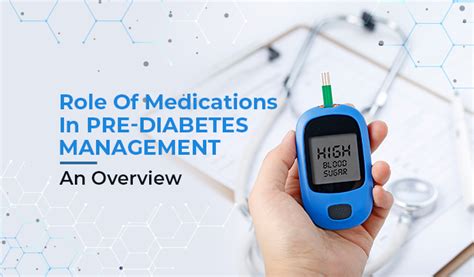
Pre-diabetes is a condition where blood sugar levels are higher than normal but not high enough to be classified as diabetes. It’s a critical stage, as it can be reversed with lifestyle changes and, in some cases, medication. Understanding the treatment options for pre-diabetes is essential for managing the condition effectively and preventing the development of type 2 diabetes. In this comprehensive guide, we’ll explore the various medication options available for pre-diabetes, their benefits, and potential side effects.
Introduction to Pre-Diabetes Treatment
Pre-diabetes treatment focuses on improving insulin sensitivity, reducing blood sugar levels, and addressing other risk factors associated with the development of type 2 diabetes. While lifestyle modifications such as diet, exercise, and weight loss are the first line of defense, medication can play a crucial role in managing the condition, especially for individuals who have difficulty achieving their blood sugar targets through lifestyle changes alone.
Medication Options for Pre-Diabetes
Several medications can be used to treat pre-diabetes, each with its unique mechanism of action, benefits, and potential side effects.
Metformin: This is the most commonly prescribed medication for pre-diabetes. Metformin works by improving the body’s response to insulin, thereby reducing blood sugar levels. It’s particularly beneficial for individuals who are overweight or have insulin resistance. Common side effects include gastrointestinal symptoms such as diarrhea, nausea, and abdominal pain.
Acarbose: Acarbose is an alpha-glucosidase inhibitor that delays carbohydrate absorption in the gut, thereby reducing post-meal blood sugar peaks. It’s less commonly used due to its side effects, which include gas, diarrhea, and abdominal pain.
Thiazolidinediones (TZDs): TZDs, such as pioglitazone, improve insulin sensitivity. However, they are not typically used as a first-line treatment for pre-diabetes due to potential side effects such as heart failure, bone fractures, and increased risk of bladder cancer.
GLP-1 Receptor Agonists: These medications, like liraglutide and exenatide, mimic the action of a natural hormone that helps lower post-meal blood sugar levels and promotes feelings of fullness, leading to weight loss. They are given via injection and can cause nausea, vomiting, and pancreatitis as side effects.
SGLT2 Inhibitors: Medications like canagliflozin and empagliflozin work by preventing the kidneys from reabsorbing glucose back into the blood, thereby promoting its excretion in urine. They can cause genital yeast infections, increased urination, and low blood pressure.
Choosing the Right Medication
The choice of medication for pre-diabetes depends on several factors, including the individual’s medical history, current health status, potential side effects, and the presence of other health conditions. For example, metformin is often the preferred initial treatment due to its efficacy, safety profile, and cost-effectiveness. However, individuals with kidney problems may need to avoid certain medications or have their doses adjusted.
Lifestyle Changes: The Foundation of Pre-Diabetes Management
While medication can be an effective tool in managing pre-diabetes, lifestyle changes remain the cornerstone of treatment. A comprehensive approach includes:
Dietary Changes: Focusing on whole, unprocessed foods like vegetables, fruits, whole grains, lean proteins, and healthy fats. Limiting intake of sugary drinks, fast food, and processed snacks is crucial.
Physical Activity: Engaging in at least 150 minutes of moderate-intensity aerobic exercise, or 75 minutes of vigorous-intensity aerobic exercise, or a combination of both, along with muscle-strengthening activities on all major muscle groups at least twice a week.
Weight Management: Achieving and maintaining a healthy weight, as excess body fat, particularly around the abdomen, increases the risk of developing type 2 diabetes.
Monitoring Progress
Regular monitoring of blood sugar levels, along with HbA1c tests every 3-6 months, is crucial to assess the effectiveness of the treatment plan. Adjustments to medication or lifestyle changes may be needed based on these results. Additionally, monitoring for potential side effects of medications and addressing them promptly is important.
Future Trends in Pre-Diabetes Treatment
Research into new medications and therapies, such as stem cell treatments and gene therapy, holds promise for the future management of pre-diabetes. Furthermore, advances in personalized medicine may allow for tailored treatment plans based on an individual’s genetic profile, lifestyle, and medical history.
Conclusion
Pre-diabetes is a critical phase in the development of type 2 diabetes, and managing it effectively can prevent or delay the onset of the disease. While lifestyle changes are fundamental, medication can be a valuable adjunct for many individuals. Understanding the available medication options, their benefits, and potential side effects is essential for making informed decisions about pre-diabetes management. By combining medication with comprehensive lifestyle modifications, individuals with pre-diabetes can significantly reduce their risk of developing type 2 diabetes and related complications.
What are the primary lifestyle modifications for managing pre-diabetes?
+The primary lifestyle modifications include adopting a healthy diet rich in whole foods and low in processed and sugary items, engaging in regular physical activity such as aerobic exercises and strength training, and achieving and maintaining a healthy weight through a combination of diet and exercise.
How often should blood sugar levels be monitored in pre-diabetes?
+Blood sugar levels should be monitored regularly, with HbA1c tests conducted every 3-6 months to assess the effectiveness of the treatment plan and make necessary adjustments.
What are the potential side effects of metformin, a common medication for pre-diabetes?
+Potential side effects of metformin include gastrointestinal symptoms such as diarrhea, nausea, and abdominal pain. These side effects are usually temporary and may diminish over time.