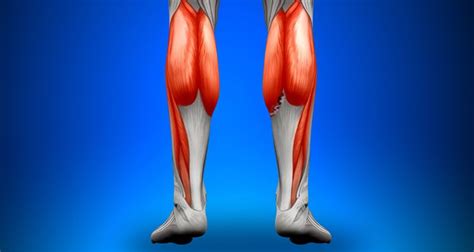
A pulled calf muscle, also known as calf strain, is a common injury that occurs when the muscles in the lower leg are stretched or torn. This can happen suddenly, often due to overstretching or a sudden contraction of the calf muscles, which include the gastrocnemius and soleus muscles. The severity of the injury can range from mild to severe, with symptoms varying accordingly.
One of the primary causes of a pulled calf muscle is overuse or repetitive strain, especially in athletes who engage in sports that involve running, jumping, or quick changes of direction. Sudden stops, starts, and turns can put excessive stress on the calf muscles, leading to strain. Additionally, factors such as poor flexibility, inadequate warm-up routines, and muscle imbalances can increase the risk of calf strain.
Identifying the Symptoms
The symptoms of a pulled calf muscle can be quite distinct and typically include:
- Pain: The most obvious symptom is pain in the back of the lower leg. The pain can range from mild to severe and may be worse when standing on tiptoes or when the calf muscle is contracted.
- Swelling and Bruising: In more severe cases, there may be noticeable swelling and bruising around the affected area due to bleeding from the injured muscle fibers.
- Weakness: The calf may feel weak, making it difficult to stand on tiptoes or push off the ground when walking or running.
- Limited Mobility: There may be a reduced range of motion in the ankle due to pain and stiffness.
Diagnostic Approaches
Diagnosing a pulled calf muscle often involves a combination of physical examination and patient history. Healthcare professionals will typically perform a thorough examination to assess the extent of the injury, which may include checking for tenderness, swelling, and the range of motion in the ankle. In some cases, further tests such as ultrasound or MRI might be recommended to confirm the diagnosis and rule out other potential causes of pain.
Treatment and Recovery
The treatment for a pulled calf muscle is primarily focused on promoting healing, reducing pain, and restoring function. The most common approach is the RICE principle:
- Rest: Avoid activities that aggravate the pain and give the muscle time to heal.
- Ice: Apply ice to the affected area to reduce pain and inflammation.
- Compression: Use a compression bandage to help reduce swelling.
- Elevation: Elevate the leg above the level of the heart to reduce swelling.
In addition to the RICE principle, gentle stretching and strengthening exercises are crucial for recovery. These exercises should be tailored to the individual’s pain level and the severity of the strain. Physical therapy can also play a significant role in the rehabilitation process, focusing on restoring strength, flexibility, and function to the calf muscles.
Prevention Strategies
Preventing calf strains involves a combination of proper training techniques, adequate warm-up and cool-down routines, and maintaining good muscle balance and flexibility. Incorporating calf stretches into daily routines, especially before and after exercise, can help reduce the risk of strain. Additionally, gradual progression of exercise intensity and volume, along with ensuring appropriate footwear and training surfaces, can also mitigate the risk of calf injuries.
Frequently Asked Questions
What are the most common causes of a pulled calf muscle?
+The most common causes include overuse or repetitive strain, poor flexibility, inadequate warm-up routines, and muscle imbalances. Athletes involved in running, jumping, or sports with quick changes of direction are particularly at risk.
How long does it take for a pulled calf muscle to heal?
+The healing time can vary significantly depending on the severity of the strain. Mild strains may heal within a couple of weeks, while more severe strains can take several weeks to a few months to fully recover.
Can I continue to exercise with a pulled calf muscle?
+It's generally recommended to avoid activities that aggravate the pain and allow the muscle time to heal. However, low-impact exercises that do not exacerbate the injury can be continued under the guidance of a healthcare professional.
How can I prevent pulled calf muscles in the future?
+Prevention involves incorporating calf stretches into your daily routine, ensuring proper warm-up and cool-down exercises, maintaining good muscle balance and flexibility, and gradually progressing exercise intensity and volume.
In conclusion, a pulled calf muscle is a common injury that requires prompt and appropriate management to ensure proper healing and prevent future occurrences. By understanding the causes, symptoms, and treatment options, individuals can take proactive steps towards recovery and engage in preventive measures to reduce the risk of such injuries in the future. Always consult with a healthcare professional for personalized advice and treatment plans.