Potassium is an essential mineral that plays a critical role in maintaining various bodily functions, including heart health, muscle contractions, and nerve function. The recommended dietary allowance (RDA) for potassium varies based on age, sex, and other factors. Understanding the RDA for potassium can help individuals ensure they are consuming enough of this vital nutrient to support overall health and well-being.
Importance of Potassium
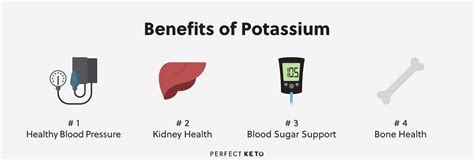
Potassium is crucial for numerous bodily functions, including: - Heart Health: Helps regulate heart rhythm and blood pressure. - Muscle Function: Essential for muscle contractions and relaxations. - Nerve Function: Aids in the transmission of nerve impulses. - Fluid Balance: Helps maintain the balance of fluids within the body.
RDA for Potassium
The RDA for potassium, as established by the National Academies of Sciences, Engineering, and Medicine, varies by age and sex. For adults, the adequate intake (AI) levels are: - Adult Men: 3,400 mg/day - Adult Women: 2,800 mg/day - Pregnant Women: 2,900 mg/day - Breastfeeding Women: 3,200 mg/day
These values are based on the understanding that the average diet of healthy individuals in the United States provides less potassium than is desirable for optimal health. Thus, aiming for these intake levels can help reduce the risk of chronic diseases such as hypertension and cardiovascular disease.
Dietary Sources of Potassium
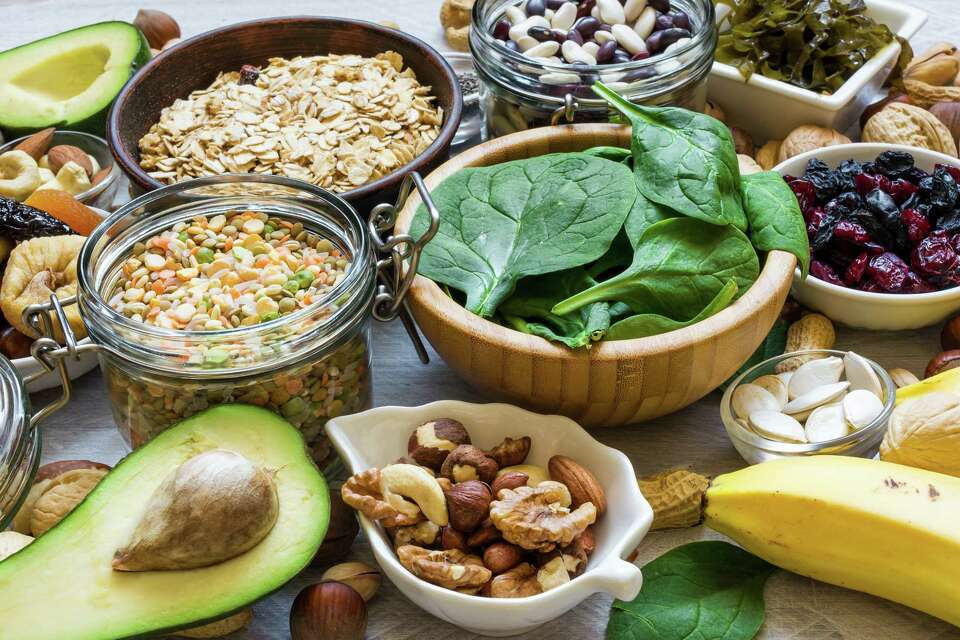
Incorporating potassium-rich foods into your diet is an effective way to meet the RDA for potassium. Foods that are particularly high in potassium include: - Fruits: Bananas, apricots, avocados, and citrus fruits like oranges. - Vegetables: Leafy greens like spinach, kale, and collard greens, as well as root vegetables like sweet potatoes and carrots. - Legumes: White beans, lentils, and chickpeas. - Nuts and Seeds: Almonds, pumpkin seeds, and sunflower seeds. - Whole Grains: Brown rice, quinoa, and whole wheat bread.
Achieving the RDA
Achieving the recommended potassium intake through diet alone can be challenging for some individuals, especially those with restrictive diets or certain health conditions. However, with a bit of planning, it’s possible to meet the RDA through a balanced diet that includes a variety of potassium-rich foods. For instance, consuming a banana (422 mg of potassium), a medium avocado (708 mg), and a cup of cooked spinach (840 mg) in one day already totals over 1,970 mg of potassium, not including other foods that contribute to the daily intake.
Considerations and Interactions
While potassium is essential, excessive intake can lead to hyperkalemia, a condition characterized by higher than normal levels of potassium in the blood. This is more of a concern for individuals with kidney issues, as the kidneys play a critical role in potassium regulation. Additionally, certain medications, such as ACE inhibitors and potassium-sparing diuretics, can affect potassium levels, making it important for individuals on these medications to monitor their potassium intake under the guidance of a healthcare provider.
Conclusion
Meeting the RDA for potassium is crucial for maintaining optimal health, given its vital role in various bodily functions. By understanding the RDA and incorporating potassium-rich foods into the diet, individuals can support their heart health, muscle function, and nerve function, among other benefits. For those who find it challenging to meet the RDA through diet alone, consulting with a healthcare provider or a dietitian can provide personalized guidance on ensuring adequate potassium intake.
What are the primary health benefits of potassium?
+Potassium is essential for heart health, helping to regulate heart rhythm and lower blood pressure. It also plays a crucial role in muscle function and nerve function, aiding in muscle contractions and the transmission of nerve impulses.
What foods are high in potassium?
+Foods high in potassium include bananas, avocados, leafy greens like spinach and kale, white beans, lentils, almonds, and whole grains like brown rice and quinoa.
How can I ensure I'm getting enough potassium in my diet?
+Include a variety of potassium-rich foods in your meals and snacks. For example, start your day with a banana and almond butter toast, include leafy greens in your salads, and snack on avocado or citrus fruits throughout the day.
Can I get too much potassium?
+Do I need to take potassium supplements?
+For most individuals, a balanced diet that includes a variety of potassium-rich foods is sufficient. However, if you're concerned about your potassium intake or have a restrictive diet, consult with a healthcare provider or a dietitian to determine if supplements are necessary and to discuss appropriate dosages.
Steps to Increase Potassium Intake
- Identify Potassium-Rich Foods: Learn which foods are high in potassium to incorporate them into your diet.
- Plan Your Meals: Include a variety of potassium-rich foods in your breakfast, lunch, dinner, and snacks.
- Keep Track of Intake: Use a food diary or an app to monitor your daily potassium intake to ensure you're meeting the RDA.
- Consult a Professional: If you're struggling to meet the RDA through diet alone or have specific dietary needs, consult with a dietitian or healthcare provider for personalized advice.
In conclusion, understanding and meeting the RDA for potassium is essential for maintaining optimal health. By incorporating potassium-rich foods into your diet, being mindful of potential interactions, and seeking professional guidance when necessary, you can support your overall well-being and reduce the risk of chronic diseases.