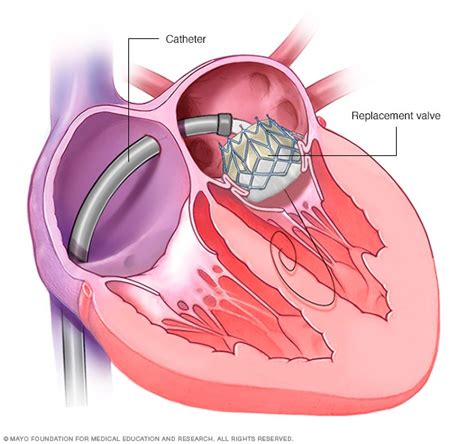
The mitral valve, a complex and crucial structure located between the left atrium and left ventricle, plays a pivotal role in maintaining the heart’s efficiency in pumping blood. When this valve is damaged or diseased, it can lead to significant morbidity and mortality. The repair of the mitral valve is a preferred treatment option over replacement, whenever possible, due to its numerous benefits, including preservation of the heart’s natural function, avoidance of long-term anticoagulation, and lower risk of complications.
Understanding Mitral Valve Disease
Mitral valve disease can manifest as either mitral stenosis, where the valve narrows and restricts blood flow, or mitral regurgitation, where the valve leaks and allows blood to flow backward. Mitral regurgitation is the most common form of significant mitral valve disease in developed countries and can result from primary valve abnormalities (such as mitral valve prolapse) or secondary to conditions affecting the left ventricle (like heart failure or coronary artery disease).
Diagnostic Approaches
The diagnosis of mitral valve disease often begins with clinical evaluation, including history taking and physical examination, where signs such as a murmur may suggest the presence of valve disease. Echocardiography, particularly transesophageal echocardiography (TEE) and transthoracic echocardiography (TTE), is crucial for assessing the valve’s anatomy and function. These imaging modalities can provide detailed information about the severity of mitral regurgitation, the mechanism of regurgitation, and the potential for successful repair. Other diagnostic tools, such as cardiac MRI and cardiac catheterization, may also be used in certain cases to gather more comprehensive information.
Surgical Techniques for Mitral Valve Repair
Mitral valve repair surgery is typically performed under general anesthesia using cardiopulmonary bypass. The goal of the surgery is to restore the normal function of the mitral valve, thereby eliminating regurgitation and preserving the patient’s native valve. Several surgical techniques can be employed, including:
- Annuloplasty: This involves the placement of a ring or band around the mitral valve annulus to support and reshape it, thereby improving coaptation (coming together) of the valve leaflets.
- Leaflet Repair: This can involve various maneuvers, such as resection of prolapsing or flail segments, chordal transfer, or edge-to-edge repair, aimed at correcting the abnormal motion of the valve leaflets.
- Chordal Replacement: When the chordae tendineae (the strings that support the valve leaflets) are damaged, they can be replaced with artificial or natural materials.
Minimally Invasive and Robotic Surgery
In recent years, there has been a growing interest in minimally invasive mitral valve repair techniques, including robotic-assisted surgery. These approaches aim to reduce the size of the incision, minimize trauma to the chest, and potentially lead to less postoperative pain, shorter hospital stays, and quicker recovery times. Robotic systems, with their high-definition 3D vision and precise instrument movements, can offer enhanced visualization and dexterity, facilitating complex valve repairs.
Postoperative Care and Recovery
After surgery, patients are typically monitored in an intensive care unit (ICU) for a period of time before being transferred to a regular hospital room. The recovery period can vary depending on the individual’s health status and the specifics of the surgery, but most patients can expect to spend about a week in the hospital. postoperative care includes pain management, monitoring for signs of complications, and the initiation of rehabilitation. The use of anticoagulation therapy may be necessary in some cases to prevent thromboembolic events, although this is generally not required for patients with a successfully repaired mitral valve.
Outcomes and Future Directions
The outcomes of mitral valve repair are generally excellent, with most patients experiencing significant improvement in symptoms and quality of life. The durability of valve repair is also a topic of ongoing research, with studies indicating that, in skilled hands, repair can be a lasting solution for many patients. As surgical techniques and technologies continue to evolve, including advancements in minimally invasive and transcatheter approaches, the field of mitral valve repair is poised to offer even more effective and less invasive treatment options for patients in the future.
FAQ Section
What are the main benefits of mitral valve repair over replacement?
+The main benefits include preservation of the heart's natural function, avoidance of long-term anticoagulation, lower risk of complications, and better preservation of cardiac function.
How long does it take to recover from mitral valve repair surgery?
+Recovery times can vary, but most patients can expect to spend about a week in the hospital and several weeks to a few months to fully recover and regain their strength.
What are the chances of needing another surgery after mitral valve repair?
+The durability of mitral valve repair varies, but with modern surgical techniques, the need for reoperation is minimized. Factors influencing the durability include the underlying pathology, surgical technique, and patient-related factors.
Can mitral valve repair be done using minimally invasive techniques?
+Yes, minimally invasive and robotic-assisted mitral valve repair techniques are available and can offer benefits such as reduced scarring, less pain, and quicker recovery for selected patients.
In conclusion, the repair of the mitral valve is a complex process that requires a thorough understanding of the valve’s anatomy and disease pathology, as well as advanced surgical techniques. As medical science and technology continue to evolve, the treatment options for mitral valve disease are expected to become even more effective and tailored to the individual needs of patients, offering them the best possible outcomes and quality of life.