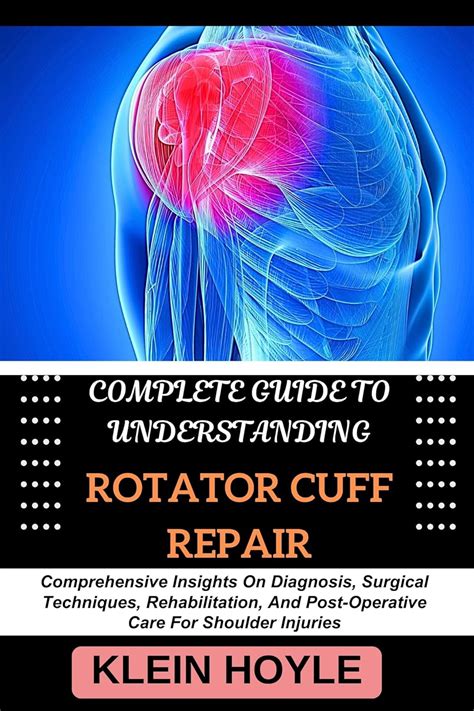
The rotator cuff, a complex system of muscles and tendons surrounding the shoulder joint, plays a vital role in enabling a wide range of arm movements. However, due to its intricate nature and the stress it undergoes, the rotator cuff is prone to injuries, which can significantly impact an individual’s quality of life. Whether it’s a sudden tear from a fall or gradual wear and tear from repetitive motions, understanding how to care for and recover from rotator cuff injuries is crucial for achieving full mobility and alleviating pain.
Understanding the Rotator Cuff
Before diving into the care and recovery process, it’s essential to understand the anatomy and function of the rotator cuff. The rotator cuff is composed of four muscles (supraspinatus, infraspinatus, teres minor, and subscapularis) and their corresponding tendons, which connect these muscles to the humerus (upper arm bone). Together, they provide stability to the shoulder joint and facilitate movements such as lifting, rotating, and extending the arm. Injuries to any part of the rotator cuff can lead to pain, weakness, and reduced mobility.
Causes and Symptoms of Rotator Cuff Injuries
Rotator cuff injuries can be caused by various factors, including acute injuries like falls or direct blows to the shoulder, chronic wear and tear from repetitive movements, especially in jobs or sports that involve frequent lifting or overhead activities, and degenerative conditions such as tendonitis or bursitis. The symptoms of a rotator cuff injury may include pain in the shoulder and arm, especially when lifting the arm or rotating it, weakness in the shoulder, making it difficult to perform daily activities, and a snapping or cracking sound when moving the shoulder.
Recovery and Treatment Options
The treatment for rotator cuff injuries depends on the severity of the condition. For mild cases, conservative management may include rest, ice, compression, and elevation (RICE), physical therapy to strengthen the muscles around the shoulder and improve mobility, and medication to manage pain and inflammation. In more severe cases, especially where there are significant tears, surgical intervention may be necessary. Surgery aims to repair the torn tendon(s) and restore the integrity of the rotator cuff. Post-operative rehabilitation is crucial and typically involves a combination of physical therapy and home exercises under the guidance of a healthcare professional.
Physical Therapy and Exercises
Physical therapy is a cornerstone of rotator cuff injury recovery, offering a range of exercises and techniques tailored to the individual’s condition. These may include passive exercises where a therapist moves the arm to maintain mobility, active exercises where the patient uses their muscles to move their arm, and strengthening exercises to build up the muscles around the shoulder. Key exercises often recommended include shoulder blade squeezes, shoulder rotations (both internal and external), and scaption (a movement that combines abduction and flexion of the shoulder).
Nutrition and Lifestyle Adjustments
While physical therapy is crucial for healing and regaining strength and mobility, nutrition and lifestyle adjustments also play significant roles in the recovery process. A balanced diet rich in nutrients that support healing, such as protein, omega-3 fatty acids, and vitamins C and D, can aid in the repair of tissues. Staying hydrated is also essential for overall health and can help keep the muscles and tendons flexible. Lifestyle adjustments may include avoiding activities that exacerbate the injury, maintaining a healthy weight to reduce stress on the shoulder, and ensuring adequate sleep, which is critical for the healing process.
Preventing Future Injuries
Prevention is a key aspect of rotator cuff care, especially for individuals engaged in activities that put them at higher risk for injuries. This includes strengthening the muscles around the shoulder through regular exercise, improving posture and body mechanics to reduce unnecessary strain on the shoulder, using proper lifting techniques to avoid sudden stresses, and taking regular breaks during repetitive activities to stretch and rest the shoulder.
Addressing Mental Health
The recovery process from a rotator cuff injury can be lengthy and frustrating, affecting not just physical health but also mental well-being. It’s essential to address any feelings of frustration, anxiety, or depression that may arise. Engaging in low-impact activities that do not exacerbate the injury, such as walking or swimming, can help maintain physical health while also boosting mood. Seeking support from family, friends, or mental health professionals can provide emotional support during the recovery period.
###FAQs
How long does it take to recover from a rotator cuff injury?
+Recovery time from a rotator cuff injury can vary significantly depending on the severity of the injury and the effectiveness of the treatment plan. Mild cases may recover within a few weeks, while more severe cases, especially those requiring surgery, may take several months to a year or more for full recovery.
Can rotator cuff injuries be prevented?
+While not all rotator cuff injuries can be prevented, certain measures can reduce the risk. These include maintaining strong shoulder muscles through exercise, using proper lifting techniques, avoiding repetitive strain, and taking regular breaks during activities that involve repetitive shoulder movements.
What are the chances of full recovery from a rotator cuff injury?
+The chances of full recovery from a rotator cuff injury depend on several factors, including the severity of the injury, the effectiveness of the treatment plan, and the individual's overall health and commitment to rehabilitation. With appropriate care and rehabilitation, many people are able to achieve significant improvement and return to their normal activities.
Can I return to sports or heavy lifting after a rotator cuff injury?
+How can I tell if my rotator cuff injury requires surgery?
+The decision to undergo surgery for a rotator cuff injury is typically made after a thorough evaluation by an orthopedic specialist. Factors that may indicate the need for surgery include a large or complete tear of the tendon, failure of conservative treatments to alleviate symptoms, and significant weakness or limited mobility in the shoulder.
In conclusion, caring for and recovering from rotator cuff injuries requires a comprehensive approach that includes understanding the injury, utilizing appropriate treatment options, engaging in targeted physical therapy, making nutritional and lifestyle adjustments, and addressing mental health. By taking these steps and working closely with healthcare professionals, individuals can optimize their recovery, reduce the risk of future injuries, and regain full function and mobility of the shoulder.