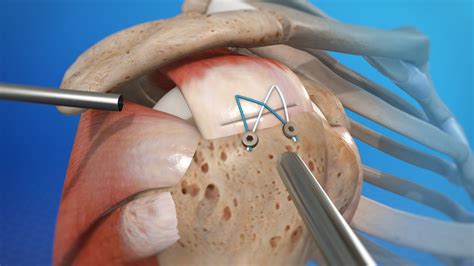
The rotator cuff, a complex system of muscles and tendons, plays a vital role in shoulder mobility and stability. However, injuries to this region are common, and when conservative treatments fail, rotator cuff surgery becomes a viable option. This surgical intervention aims to repair or rebuild the damaged tissues, restoring function and alleviating pain. Understanding the intricacies of rotator cuff surgery is crucial for individuals contemplating this procedure, as it involves a deep dive into the anatomy, causes of injury, surgical techniques, and postoperative rehabilitation.
Anatomy of the Rotator Cuff
Before delving into the surgical aspects, it’s essential to understand the anatomy of the rotator cuff. The rotator cuff is composed of four muscles (supraspinatus, infraspinatus, teres minor, and subscapularis) and their corresponding tendons. These tissues envelop the shoulder joint, providing stability and facilitating a wide range of motions, including abduction, internal rotation, and external rotation. The rotator cuff tendons are prone to injury, particularly the supraspinatus tendon, due to its location and function.
Causes of Rotator Cuff Injuries
Injuries to the rotator cuff can occur from acute traumas, such as falls or direct blows to the shoulder, or from chronic wear and tear, often seen in individuals who engage in repetitive overhead activities, like tennis players or painters. Additionally, age-related degeneration is a significant factor, as tendons naturally weaken over time, making them more susceptible to tears. Understanding the cause of the injury is critical for determining the appropriate surgical approach.
Surgical Techniques
Rotator cuff surgery can be performed through open surgery, arthroscopy, or a combination of both. Arthroscopic surgery, being minimally invasive, has become the preferred method for many surgeons due to its smaller incisions, reduced risk of infection, and often quicker recovery times. However, the choice of technique depends on the size and location of the tear, as well as the surgeon’s expertise.
Open Surgery: This traditional method involves a larger incision, allowing the surgeon direct access to the rotator cuff. It’s typically reserved for more complex tears or when other procedures, like shoulder replacement, are being performed concurrently.
Arthroscopic Surgery: Utilizing a small camera and surgical instruments inserted through tiny incisions, arthroscopic surgery enables the surgeon to visualize the internal structures of the shoulder on a monitor. This method is ideal for smaller to medium-sized tears and can often be performed on an outpatient basis.
Mini-Open Surgery: A hybrid approach, combining elements of open and arthroscopic techniques, mini-open surgery uses smaller incisions than traditional open surgery but still provides a slightly larger opening than arthroscopic methods. It’s chosen for tears that require more direct access than arthroscopy can offer but don’t necessitate a fully open approach.
Postoperative Rehabilitation
Recovery from rotator cuff surgery is a critical and often lengthy process. Immediately post-surgery, patients typically wear a sling to immobilize the arm, allowing the initial stages of healing to occur without disturbance. A structured physical therapy program follows, progressing from simple movements to strengthen the shoulder muscles and improve flexibility. The rehabilitation phase is tailored to the individual’s needs and the extent of the repair but generally spans several months.
Complications and Risks
As with any surgical procedure, rotator cuff surgery comes with potential risks and complications. These include infection, bleeding, reactions to anesthesia, and the possibility of further injury to surrounding nerves or tissues. Additionally, there’s a risk of the repair not healing properly, known as a re-tear, which may require additional surgery.
Emerging Trends and Technologies
Advancements in rotator cuff surgery are continually evolving, with a focus on improving outcomes and reducing recovery times. Some emerging trends include the use of biological augmentation, such as platelet-rich plasma (PRP), to enhance tendon healing, and advanced arthroscopic techniques that allow for more complex repairs to be performed minimally invasively. Furthermore, there’s a growing interest in personalized medicine approaches, tailoring the surgical technique and rehabilitation program to the individual’s specific injury pattern and overall health status.
Decision Framework for Patients
For individuals considering rotator cuff surgery, several factors should be carefully evaluated:
- Severity of Symptoms: The degree of pain and functional impairment.
- Previous Treatments: The effectiveness of conservative treatments such as physical therapy and steroid injections.
- Surgical Risks: Weighing the potential benefits against the risks of complications.
- Recovery Commitment: Understanding the lengthy rehabilitation process and the need for adherence to a structured therapy program.
- Surgeon’s Expertise: Selecting a surgeon with experience in rotator cuff repairs.
Conclusion
Rotator cuff surgery is a viable option for those suffering from severe rotator cuff injuries, offering the potential for significant improvement in symptoms and quality of life. However, the decision to undergo surgery should be made after thorough consideration of the risks, benefits, and alternatives. By understanding the complexities of rotator cuff anatomy, the nature of the injury, and the surgical techniques available, individuals can make informed decisions about their care. As medical technology and surgical techniques continue to evolve, the outcomes for rotator cuff surgery are likely to improve, providing hope for those dealing with the challenges of shoulder injuries.
What are the most common symptoms of a rotator cuff injury?
+The most common symptoms include pain in the shoulder and arm, weakness when lifting or rotating the arm, and a crackling or snapping sensation when moving the shoulder (crepitus).
How long does it take to recover from rotator cuff surgery?
+Recovery time can vary significantly depending on the extent of the injury and the individual’s overall health, but generally, it takes several months to a year or more for full recovery.
Can rotator cuff tears heal without surgery?
+Small tears might heal with conservative treatments like physical therapy and steroid injections. However, larger tears often require surgical intervention for effective healing and to prevent further degeneration.
What are the risks of delaying rotator cuff surgery?
+Delaying surgery can lead to increased risk of further injury, including the potential for the tear to become larger and more complex, making the surgery more challenging and potentially reducing the likelihood of a successful outcome.
How can I prevent rotator cuff injuries?
+Prevention involves maintaining shoulder strength and flexibility through regular exercise, avoiding repetitive strain on the shoulder, and taking regular breaks when engaging in activities that involve heavy lifting or overhead movements.