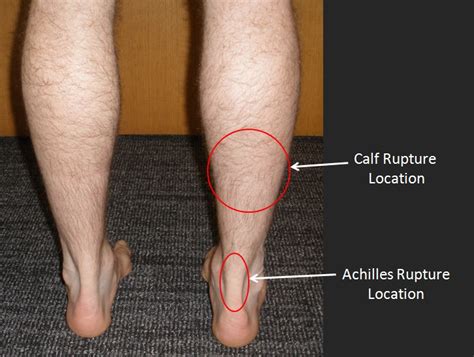
A ruptured calf muscle, also known as a calf strain or tear, is a common injury that occurs when the muscle fibers in the calf are stretched or torn. This can happen suddenly, often as a result of a sudden contraction of the muscle, or it can develop over time due to repetitive strain or overuse. The calf muscles, which include the gastrocnemius and soleus muscles, play a crucial role in ankle movement, walking, and running, making a rupture a potentially debilitating injury.
Understanding the Anatomy
To comprehend the severity of a ruptured calf muscle, it’s essential to understand the anatomy of the lower leg. The calf is composed of two primary muscles: the gastrocnemius, which is the outer, more superficial muscle, and the soleus, a deeper muscle. Both muscles converge to form the Achilles tendon, which connects the calf muscles to the heel bone (calcaneus). The function of these muscles is to facilitate plantarflexion, the movement that enables us to push off the ground when walking or running.
Causes and Risk Factors
Several factors can contribute to the risk of suffering a ruptured calf muscle. These include:
- Age: As we age, our muscles naturally lose some of their elasticity and strength, making them more susceptible to injury.
- Overuse or Sudden Contraction: Activities that involve repetitive running, jumping, or quick changes of direction can lead to overuse injuries.
- Poor Warm-Up or Cool Down: Failing to properly warm up before exercise or cool down afterward can increase the risk of muscle strains.
- Muscle Imbalances: Weakness or tightness in other muscles of the leg can put additional stress on the calf muscles.
- Previous Injuries: A history of calf strains or other lower leg injuries can increase the risk of future problems.
Symptoms
The symptoms of a ruptured calf muscle can vary depending on the severity of the injury but often include:
- Sudden Pain: A sharp, severe pain in the back of the lower leg.
- Swelling and Bruising: The affected area may become swollen and bruised due to bleeding from the damaged muscle fibers.
- Weakness: Difficulty walking or standing on the toes due to weakness in the calf muscle.
- Palpable Defect: In severe cases, a gap or defect may be felt in the muscle.
Diagnosis
Diagnosing a ruptured calf muscle typically involves a combination of physical examination and imaging tests. A healthcare provider will assess the extent of the injury by checking for pain, swelling, and weakness. Imaging tests such as ultrasound or MRI (Magnetic Resonance Imaging) may be used to confirm the diagnosis and evaluate the extent of the muscle damage.
Treatment and Rehabilitation
The treatment for a ruptured calf muscle depends on the severity of the injury. Mild strains may be managed with the RICE principle (Rest, Ice, Compression, Elevation), physical therapy to maintain strength and flexibility, and gradual return to activity. More severe tears may require immobilization, physical therapy, and in some cases, surgical intervention to repair the damaged muscle fibers.
Rehabilitation is crucial for regaining strength and function. A structured rehabilitation program may include:
- Stretching and Strengthening Exercises: To improve flexibility and strengthen the calf muscles.
- Proprioception and Balance Exercises: To enhance stability and reduce the risk of further injury.
- Gradual Return to Activity: A progressive return to running, jumping, or other strenuous activities under the guidance of a healthcare professional.
Prevention
Preventing calf muscle ruptures involves a multifaceted approach that includes:
- Proper Warm-Up and Cool Down: Always warm up before exercise and cool down afterward to reduce muscle stiffness and improve flexibility.
- Strengthening Exercises: Regularly perform exercises that strengthen the calf muscles, such as calf raises.
- Flexibility and Stretching: Maintain good flexibility through regular stretching exercises.
- Gradual Increase in Activity: Avoid sudden increases in physical activity or intensity.
FAQ Section
What are the first signs of a ruptured calf muscle?
+The first signs of a ruptured calf muscle often include sudden, severe pain in the calf area, followed by swelling, bruising, and difficulty walking or standing on the toes.
How long does it take to recover from a ruptured calf muscle?
+Recovery time from a ruptured calf muscle can vary significantly depending on the severity of the injury. Mild strains may heal within a few weeks, while more severe tears can take several months to a year or more to fully recover from, especially if surgical intervention is required.
Can a ruptured calf muscle be prevented?
+While not all ruptured calf muscles can be prevented, the risk can be significantly reduced by maintaining muscle strength and flexibility, warming up and cooling down properly, and gradually increasing physical activity levels.
What are the complications of a ruptured calf muscle if left untreated?
+If left untreated, a ruptured calf muscle can lead to chronic pain, persistent weakness, and reduced mobility. In some cases, it may also lead to further complications such as the formation of scar tissue, which can affect muscle function and increase the risk of future injuries.
How does age affect the recovery from a calf muscle rupture?
+Age can significantly impact the recovery from a calf muscle rupture. Older individuals may experience a longer recovery period due to decreased muscle mass, reduced elasticity of the muscles and tendons, and potential underlying health conditions that can affect healing.
Conclusion
A ruptured calf muscle is a serious injury that requires prompt and appropriate treatment to ensure proper healing and minimize the risk of long-term damage. Understanding the causes, symptoms, and treatment options for this condition is crucial for both prevention and recovery. With the right approach to rehabilitation and a commitment to prevention strategies, individuals can reduce their risk of suffering from this debilitating injury and maintain optimal lower leg health.