Shoulder replacement surgery, also known as shoulder arthroplasty, is a highly effective procedure for relieving severe shoulder pain and restoring mobility in individuals with advanced shoulder joint damage or disease. This surgical intervention has revolutionized the treatment of debilitating shoulder conditions, offering a significant improvement in quality of life for those who undergo it.
One of the primary reasons individuals may require shoulder replacement surgery is the progression of osteoarthritis, a degenerative joint disease that breaks down the cartilage, leading to bone-on-bone contact and resulting pain. Other conditions that may necessitate this surgery include rheumatoid arthritis, severe fractures, avascular necrosis (death of bone tissue due to lack of blood supply), and rotator cuff arthropathy, among others. The decision to proceed with surgery is typically made after conservative treatments, such as physical therapy, medications, and injections, have been exhausted without providing adequate relief.
Understanding the Procedure
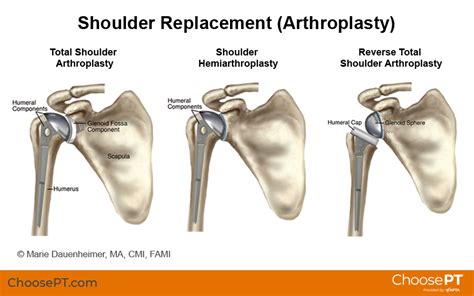
The shoulder replacement procedure involves replacing the damaged parts of the shoulder with artificial components. There are different types of shoulder replacement surgeries, including:
- Total Shoulder Replacement: This involves replacing the ball (humeral head) at the top of the upper arm bone (humerus) and the socket (glenoid) in the shoulder blade.
- Stemmed Hemiarthroplasty: Only the ball is replaced, and the socket is left intact or resurfaced.
- Resurfacing Hemiarthroplasty: The ball is capped with a prosthetic, leaving more of the natural bone intact.
- Reverse Total Shoulder Replacement: This involves attaching the ball to the shoulder blade and the socket to the arm bone. It’s often used for severe arthritis and torn rotator cuffs.
Each of these procedures has its indications and benefits, and the choice of which to use depends on the patient’s specific condition, age, activity level, and the surgeon’s preference.
Preparation and Recovery
Preparation for shoulder replacement surgery typically involves a thorough medical evaluation, including blood tests and possibly cardiopulmonary clearance, especially for older patients or those with pre-existing health conditions. Patients may also be advised to stop taking certain medications that could increase the risk of bleeding during surgery.
The recovery process from shoulder replacement surgery can be lengthy and requires dedication to physical therapy. Immediately after surgery, patients may experience pain, swelling, and limited mobility, which are managed with medication and ice. A sling is worn to protect the shoulder and arm, usually for several weeks. Physical therapy begins shortly after surgery, starting with passive movements (where the therapist moves the patient’s arm) and progressing to active exercises as the shoulder heals.
Full recovery from shoulder replacement surgery can take several months to a year or more. It’s crucial for patients to follow their rehabilitation plan closely to achieve the best possible outcomes. Over time, most patients notice significant improvements in their ability to perform daily activities and a substantial reduction in pain.
Complications and Risks
While shoulder replacement surgery is generally safe and effective, as with any surgical procedure, there are potential risks and complications. These may include infection, nerve damage, blood clots, and component loosening or wear over time. The risk of these complications can be minimized by choosing a skilled and experienced orthopedic surgeon, following post-operative instructions diligently, and maintaining a healthy lifestyle.
Recent Advances
The field of shoulder replacement surgery continues to evolve, with ongoing research focused on improving implant designs, surgical techniques, and rehabilitation protocols. Some of the recent advances include the development of more durable implant materials, 3D-printed custom implants that perfectly match the patient’s anatomy, and minimally invasive surgical techniques that reduce tissue damage and accelerate recovery.
Conclusion
Shoulder replacement surgery represents a significant step forward in the management of advanced shoulder disease, offering relief from pain and restoration of function for thousands of individuals worldwide. Through careful patient selection, precise surgical technique, and thorough post-operative care, the outcomes of this procedure continue to improve. As medical science and technology advance, we can expect even more sophisticated and effective treatments for shoulder conditions, further enhancing the quality of life for those affected.
What are the primary reasons for undergoing shoulder replacement surgery?
+Shoulder replacement surgery is primarily undertaken to alleviate severe pain and improve mobility in individuals with advanced shoulder joint damage, typically resulting from conditions such as osteoarthritis, rheumatoid arthritis, severe fractures, avascular necrosis, and rotator cuff arthropathy.
What are the different types of shoulder replacement surgeries?
+There are several types of shoulder replacement surgeries, including total shoulder replacement, stemmed hemiarthroplasty, resurfacing hemiarthroplasty, and reverse total shoulder replacement, each with its own indications and benefits depending on the patient’s condition and needs.
How long does recovery from shoulder replacement surgery typically take?
+Full recovery from shoulder replacement surgery can take several months to over a year. The process involves initial healing, followed by extensive physical therapy to regain strength and mobility in the shoulder.
What are some potential risks and complications associated with shoulder replacement surgery?
+As with any surgical procedure, shoulder replacement surgery carries risks and potential complications, including infection, nerve damage, blood clots, and component loosening or wear over time. These risks can be minimized through careful patient selection, skilled surgical technique, and adherence to post-operative rehabilitation protocols.
How does recent research impact the future of shoulder replacement surgery?
+Ongoing research and advancements in shoulder replacement surgery are focused on developing more durable implant materials, improving surgical techniques, and enhancing rehabilitation protocols. These advances aim to further improve the outcomes and longevity of shoulder replacement surgeries, offering better quality of life for patients.