Sinusitis, an inflammation or infection of the sinuses, can be a debilitating condition that significantly impacts one’s quality of life. The symptoms, which include nasal congestion, facial pain, and persistent headaches, can make everyday activities a chore. While medical treatment is often necessary to fully address sinusitis, incorporating self-care strategies into your daily routine can provide significant relief and support the healing process.
Understanding Sinusitis
Before diving into self-care techniques, it’s essential to have a basic understanding of sinusitis. The sinuses are air-filled spaces in the skull that produce mucus, which helps to filter, warm, and humidify the air we breathe. When the sinuses become inflamed or infected, the normal flow of mucus is disrupted, leading to the accumulation of mucus and the accompanying symptoms of sinusitis. This condition can be acute, lasting less than four weeks, or chronic, persisting for more than 12 weeks.
Hydration and Humidification
One of the most critical aspects of managing sinusitis is ensuring that the nasal passages and sinuses are properly hydrated. Drinking plenty of fluids, such as water, herbal teas, and clear broths, helps to thin out the mucus, making it easier to expel. Additionally, using a humidifier in your home, especially in your bedroom at night, can add moisture to the air, which helps to keep your sinuses and nasal passages hydrated and reduce congestion.
Nasal Irrigation
Nasal irrigation, or rinsing your nasal passages with a saline solution, is another effective self-care technique for managing sinusitis. This practice can help to remove mucus, reduce swelling, and promote healing. You can purchase a neti pot or a squeeze bottle with a nasal spray tip to perform nasal irrigation. It’s essential to use sterile or distilled water and to rinse the device thoroughly after each use to prevent infection.
Steam Inhalation
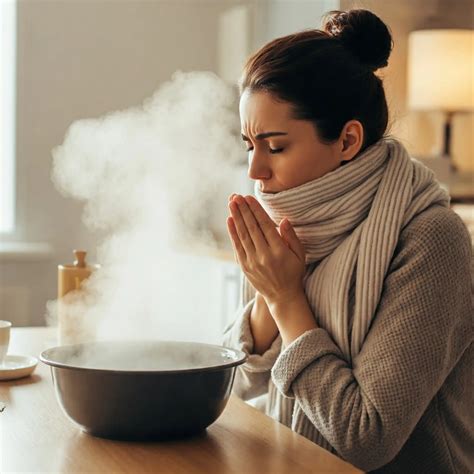
Inhaling steam from a bowl of hot water or a steam inhaler can provide quick relief from congestion. Adding eucalyptus oil or menthol to the water can enhance the benefits, as these ingredients have natural decongestant properties. To do this safely, lean over the bowl with a towel covering your head to trap the steam, and breathe in the mist for 5-10 minutes. Be cautious not to get too close to the hot water to avoid burns.
Dietary Changes
The food you eat can play a significant role in managing sinusitis. Consuming foods that are high in antioxidants, such as berries, leafy greens, and other fruits and vegetables, can help to reduce inflammation. Omega-3 fatty acids found in fatty fish, flaxseeds, and walnuts also have anti-inflammatory properties. Additionally, avoiding dairy products and gluten, which can trigger or exacerbate sinusitis symptoms in some individuals, may be beneficial.
Rest and Stress Management
Getting adequate rest and managing stress are crucial components of self-care for sinusitis. When you’re well-rested, your immune system is better equipped to fight off infections. Stress, on the other hand, can weaken your immune system and worsen sinusitis symptoms. Practicing stress-reducing techniques such as meditation, yoga, or deep breathing exercises can help to mitigate the impact of stress on your condition.
Elevating Your Head
Elevating the head of your bed by about 4-6 inches can help to reduce congestion by preventing mucus from accumulating in your sinuses while you sleep. You can achieve this by placing blocks or books under the legs of your bed or by using extra pillows to elevate your head and torso.
Over-the-Counter Medications
While self-care is a vital part of managing sinusitis, over-the-counter (OTC) medications can provide additional relief for symptoms. Decongestants can help to reduce nasal congestion, while pain relievers such as acetaminophen or ibuprofen can alleviate facial pain and headaches. However, it’s essential to use these medications judiciously and follow the instructions carefully to avoid rebound congestion or other side effects.
It's crucial to consult with your healthcare provider before starting any new medications, especially if you have underlying health conditions or are taking other prescription drugs. They can provide personalized advice and help you develop a comprehensive treatment plan.
When to Seek Medical Attention
While self-care and OTC medications can manage many cases of sinusitis, there are instances where medical attention is necessary. If you experience severe symptoms, such as a fever over 102°F, severe headache or facial pain, or thick, yellow or green nasal discharge, you should seek medical help. Additionally, if your symptoms persist or worsen over time, or if you have a weakened immune system, consulting a healthcare professional is essential.
_steps to Follow for Sinusitis Self-Care
- Stay hydrated by drinking plenty of fluids.
- Use a humidifier to add moisture to the air.
- Practice nasal irrigation with a saline solution.
- Inhale steam to relieve congestion.
- Avoid triggers such as dairy and gluten if they exacerbate your symptoms.
- Get adequate rest and manage stress.
- Elevate the head of your bed to reduce congestion at night.
- Use OTC medications judiciously for symptom relief.
Conclusion
Managing sinusitis effectively involves a combination of self-care techniques, lifestyle adjustments, and, when necessary, medical intervention. By incorporating hydration, humidification, nasal irrigation, steam inhalation, dietary changes, rest, stress management, and the judicious use of OTC medications into your daily routine, you can significantly alleviate your symptoms and support the healing process. Remember, if your symptoms are severe, persistent, or worsening, it’s essential to seek professional medical advice for personalized guidance and care.
What are the most common symptoms of sinusitis?
+The most common symptoms of sinusitis include nasal congestion, facial pain, headaches, thick nasal discharge, and a reduced sense of smell. The severity of these symptoms can vary depending on the individual and the type of sinusitis (acute or chronic).
Can sinusitis be prevented?
+While sinusitis can’t be completely prevented, certain measures can reduce the risk of developing it. These include maintaining good hygiene, avoiding close contact with individuals who have respiratory infections, using a humidifier to prevent dryness, and managing allergies.
How long does it take for sinusitis to heal?
+The recovery time for sinusitis varies depending on whether the condition is acute or chronic, and the effectiveness of the treatment plan. Acute sinusitis typically lasts for less than four weeks and can resolve with self-care and OTC medications. Chronic sinusitis, which lasts more than 12 weeks, often requires more comprehensive treatment, including prescription medications and, in some cases, surgery.