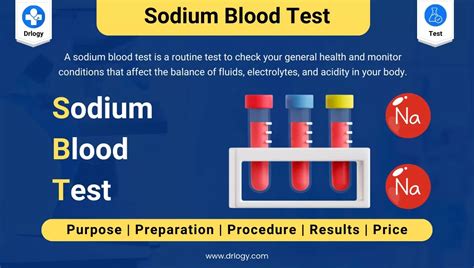
The importance of monitoring sodium levels in the blood cannot be overstated, as it plays a critical role in various bodily functions, including nerve and muscle function, as well as maintaining the right balance of fluids in the body. A sodium blood test, also known as a serum sodium test, is used to determine the amount of sodium in the blood. This test is crucial for diagnosing and monitoring conditions related to sodium imbalances, which can be caused by a variety of factors, including diet, certain medical conditions, and the use of diuretics.
Why is a Sodium Blood Test Necessary?
The human body requires sodium to function properly. It helps regulate the amount of water in and around cells and is crucial for the proper functioning of nerves and muscles. However, both high and low levels of sodium can be harmful.
Hyponatremia refers to low sodium levels in the blood. This condition can be caused by excessive water intake (diluting the sodium in the blood), heart failure, liver cirrhosis, or certain medications like diuretics. Symptoms can range from mild (nausea, vomiting) to severe (seizures, coma).
Hypernatremia is the condition of having high sodium levels in the blood. This can occur due to dehydration, certain medications, or a condition called diabetes insipidus, where the body loses the ability to regulate fluids. Symptoms may include thirst, dark urine, and in severe cases, seizures or coma.
Understanding the importance of sodium balance helps in realizing why monitoring sodium levels is crucial for maintaining overall health. The balance of sodium affects blood pressure and can influence the risk of cardiovascular diseases, making it a significant health indicator.
How is a Sodium Blood Test Performed?
Performing a sodium blood test is relatively straightforward. A healthcare provider will typically follow these steps:
Preparation: There is usually no special preparation needed for a sodium blood test. However, your healthcare provider might ask you to avoid eating or drinking anything that could potentially alter your sodium levels before the test.
Blood Sample Collection: A blood sample is collected from a vein in your arm using a needle. This process is quick and relatively painless, though you might feel a slight pinch when the needle is inserted.
Testing: The blood sample is then sent to a laboratory for analysis. The test measures the concentration of sodium in the blood, usually in milliequivalents per liter (mEq/L) or millimoles per liter (mmol/L).
Results Interpretation: The results are interpreted by a healthcare provider, who will compare your sodium levels to the normal range. Normal sodium levels typically range from 135 to 145 mEq/L, but these can slightly vary between laboratories.
What Do the Results Mean?
Normal Levels: If your sodium levels fall within the normal range, it generally indicates that your body is maintaining a healthy balance of fluids and electrolytes.
Abnormal Levels: Both high and low sodium levels require medical attention. Treatment will depend on the underlying cause of the imbalance. For hyponatremia, treatment may include limiting water intake or addressing the underlying cause. For hypernatremia, treatment focuses on correcting the underlying cause, which could involve increasing water intake or addressing an underlying condition.
Practical Tips for Maintaining Healthy Sodium Levels
Maintaining healthy sodium levels can be achieved through a combination of dietary adjustments and lifestyle changes:
Balanced Diet: Consuming a balanced diet that is not excessively high in sodium can help. The American Heart Association recommends no more than 2,300 milligrams a day and an ideal limit of no more than 1,500 milligrams per day for most adults.
Stay Hydrated: Drinking enough water is crucial for maintaining the balance of fluids in the body, but it’s also important not to overdo it, as excessive water intake can lead to hyponatremia.
Regular Check-Ups: Regular health check-ups can help in early detection of any sodium imbalances, allowing for prompt intervention.
In conclusion, sodium plays a vital role in bodily functions, and monitoring its levels through a sodium blood test is essential for maintaining health. Understanding the importance of this test, how it’s performed, and what the results mean can empower individuals to take control of their health, making informed decisions about their diet, lifestyle, and when to seek medical attention.
What are the symptoms of low sodium levels in the blood?
+Symptoms of low sodium levels (hyponatremia) can range from mild to severe and include nausea, vomiting, headache, confusion, seizures, and in extreme cases, coma. The severity of the symptoms often depends on how quickly the sodium levels dropped.
How can I maintain healthy sodium levels through diet?
+Maintaining healthy sodium levels through diet involves consuming a balanced amount of sodium. The American Heart Association suggests limiting sodium intake to less than 2,300 milligrams a day. This can be achieved by reducing the use of salt in cooking, limiting processed and packaged foods, and increasing the intake of fresh fruits and vegetables.
What are the risks associated with high sodium levels in the blood?
+High sodium levels (hypernatremia) can lead to severe symptoms, including thirst, dark urine, and in severe cases, seizures or coma. Untreated hypernatremia can lead to serious complications, making prompt medical attention crucial.
By focusing on these key aspects of sodium and its impact on the body, individuals can better understand the role of sodium blood tests in health maintenance and take proactive steps towards ensuring their sodium levels remain within a healthy range.