The coronavirus disease 2019, commonly known as COVID-19, is a highly infectious respiratory illness caused by the SARS-CoV-2 virus. Since its outbreak, COVID-19 has spread rapidly across the globe, affecting millions of people and causing widespread illness and death. The symptoms of COVID-19 can vary widely from person to person, ranging from mild to severe. Understanding these symptoms is crucial for early detection, treatment, and prevention of the spread of the virus.
Common Symptoms:
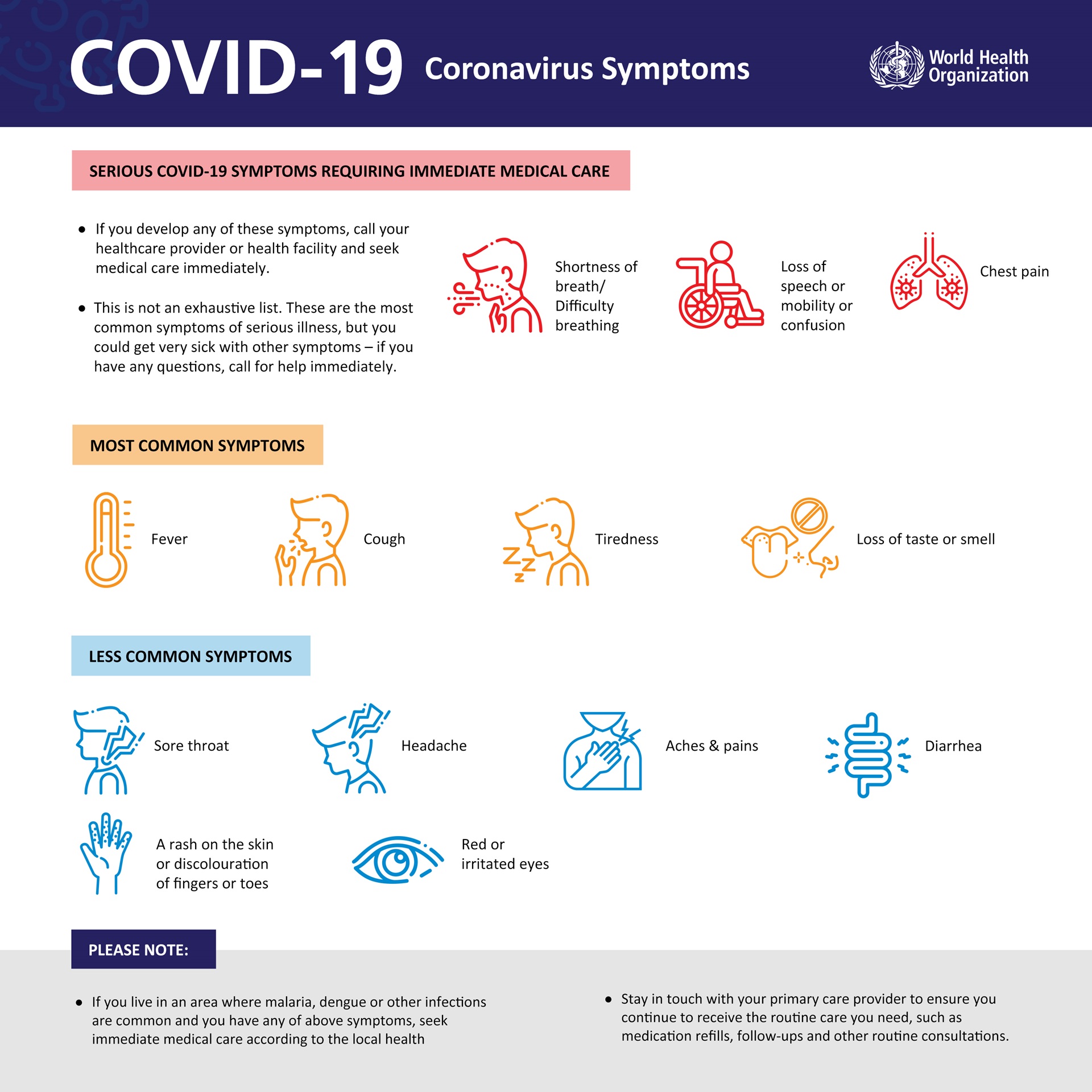
The most common symptoms of COVID-19 include:
- Fever: A high body temperature, usually above 100.4°F (38°C), is one of the earliest and most common symptoms of COVID-19. Fever can be accompanied by chills, which can make a person feel cold or shaky, even if their body temperature is high.
- Cough: A dry cough is another common symptom of COVID-19. The cough can be mild or severe and may produce mucus. In some cases, the cough can be so severe that it leads to chest pain or difficulty breathing.
- Fatigue: Feeling extremely tired or exhausted is a common symptom of COVID-19. This fatigue can be so severe that it interferes with daily activities and makes it difficult to perform even simple tasks.
- Shortness of Breath: Shortness of breath or difficulty breathing is a symptom of COVID-19 that can range from mild to severe. In severe cases, shortness of breath can be a sign of pneumonia or acute respiratory distress syndrome (ARDS), which can be life-threatening.
- Headache: Headaches are common in people with COVID-19 and can range from mild to severe. The headache can be accompanied by other symptoms such as fever, fatigue, and body aches.
- Sore Throat: A sore throat is a common symptom of COVID-19, especially in the early stages of the illness. The sore throat can be mild or severe and may be accompanied by a cough or difficulty swallowing.
- Runny Nose: A runny nose or stuffy nose is a common symptom of COVID-19, especially in children. The runny nose can be accompanied by other symptoms such as coughing, sneezing, and fatigue.
- Body Aches: Body aches or muscle pains are common in people with COVID-19. The body aches can be mild or severe and may be accompanied by other symptoms such as fever, fatigue, and headache.
- Diarrhea: Diarrhea is a common symptom of COVID-19, especially in children. The diarrhea can be accompanied by other symptoms such as abdominal pain, nausea, and vomiting.
- Nausea or Vomiting: Nausea or vomiting is a common symptom of COVID-19, especially in children. The nausea or vomiting can be accompanied by other symptoms such as diarrhea, abdominal pain, and fever.
Less Common Symptoms:
Some people with COVID-19 may experience less common symptoms, including:
- Loss of Appetite: A decrease in appetite is a common symptom of COVID-19, especially in older adults. The loss of appetite can lead to weight loss, malnutrition, and other health problems.
- Confusion: Confusion or disorientation is a common symptom of COVID-19, especially in older adults. The confusion can be accompanied by other symptoms such as fever, fatigue, and difficulty breathing.
- Chest Pain or Pressure: Chest pain or pressure is a common symptom of COVID-19, especially in people with underlying heart or lung disease. The chest pain or pressure can be accompanied by other symptoms such as shortness of breath, coughing, and fatigue.
- Rash: A rash is a common symptom of COVID-19, especially in children. The rash can be accompanied by other symptoms such as fever, fatigue, and body aches.
- Eye Problems: Eye problems such as conjunctivitis (pink eye) or blurred vision are common in people with COVID-19. The eye problems can be accompanied by other symptoms such as fever, fatigue, and body aches.
Severe Symptoms:
In some cases, COVID-19 can cause severe symptoms that require immediate medical attention. These symptoms include:
- Difficulty Breathing: Severe shortness of breath or difficulty breathing is a life-threatening symptom of COVID-19. The difficulty breathing can be accompanied by other symptoms such as chest pain or pressure, confusion, and bluish discoloration of the lips or face.
- Chest Pain or Pressure: Severe chest pain or pressure is a life-threatening symptom of COVID-19. The chest pain or pressure can be accompanied by other symptoms such as shortness of breath, coughing, and fatigue.
- Confusion or Disorientation: Severe confusion or disorientation is a life-threatening symptom of COVID-19. The confusion or disorientation can be accompanied by other symptoms such as fever, fatigue, and difficulty breathing.
- Severe Headache: A severe headache is a life-threatening symptom of COVID-19. The severe headache can be accompanied by other symptoms such as fever, fatigue, and body aches.
- Seizures: Seizures are a life-threatening symptom of COVID-19, especially in children. The seizures can be accompanied by other symptoms such as fever, fatigue, and body aches.
When to Seek Medical Attention:
If you or someone you know is experiencing any of the following symptoms, seek medical attention immediately:
- Difficulty breathing or shortness of breath
- Chest pain or pressure
- Confusion or disorientation
- Severe headache
- Seizures
- Bluish discoloration of the lips or face
- Sudden loss of speech or movement
It’s also important to seek medical attention if you have a weakened immune system or underlying medical conditions, such as heart disease, diabetes, or lung disease.
Prevention:
The best way to prevent COVID-19 is to take the following precautions:
- Wash your hands frequently with soap and water
- Avoid close contact with people who are sick
- Avoid touching your eyes, nose, and mouth
- Wear a mask in public places
- Stay home if you are sick
- Get vaccinated against COVID-19
By understanding the symptoms of COVID-19 and taking the necessary precautions, you can reduce your risk of getting infected and help prevent the spread of the virus.
What are the most common symptoms of COVID-19?
+The most common symptoms of COVID-19 include fever, cough, fatigue, shortness of breath, headache, sore throat, runny nose, body aches, diarrhea, nausea or vomiting.
How long do COVID-19 symptoms last?
+COVID-19 symptoms can last from a few days to several weeks. Mild symptoms can last for 1-2 weeks, while severe symptoms can last for 3-6 weeks or more.
Can COVID-19 be prevented?
+Yes, COVID-19 can be prevented by taking the necessary precautions such as washing your hands frequently, avoiding close contact with people who are sick, wearing a mask in public places, staying home if you are sick, and getting vaccinated against COVID-19.
What should I do if I have COVID-19 symptoms?
+If you have COVID-19 symptoms, seek medical attention immediately. Stay home and avoid close contact with others. Wash your hands frequently and wear a mask if you need to leave your home. Take over-the-counter medications to relieve symptoms such as fever, cough, and body aches.
Can COVID-19 be treated?
+Yes, COVID-19 can be treated. Mild symptoms can be treated with over-the-counter medications such as acetaminophen or ibuprofen. Severe symptoms may require hospitalization and treatment with oxygen therapy, antiviral medications, or other treatments.