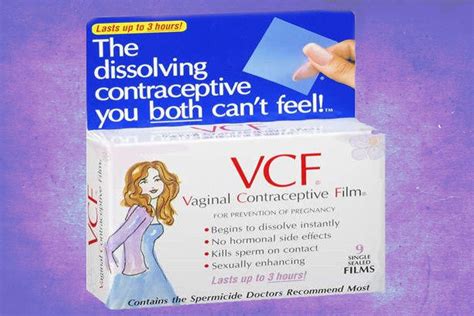
The world of birth control has undergone significant transformations over the years, with various methods being introduced to cater to different needs and preferences. One such method that has garnered attention in recent times is the vaginal contraceptive film, commonly referred to as VCF. In this article, we will delve into the details of VCF, exploring its composition, mechanism of action, benefits, and potential drawbacks, as well as its place within the broader landscape of contraceptive options.
Introduction to VCF
VCF, or vaginal contraceptive film, is a type of barrier method designed for woman-controlled contraception. It is a small, thin, and flexible film made from a non-toxic, bio-adhesive material that contains spermicides. The primary active ingredient in most VCFs is nonoxynol-9, a spermicide that works by killing sperm on contact, thus preventing fertilization. This film is intended for vaginal use before sexual intercourse, offering a woman-controlled, non-hormonal option for contraception.
Historical Evolution of VCF
The development of VCF reflects the ongoing quest for effective, convenient, and woman-controlled contraceptive methods. The introduction of spermicides in various forms, including foams, jellies, and suppositories, marked the beginning of non-hormonal, chemical barrier methods. VCF emerged as an evolution of these products, offering a more discreet and potentially more effective option due to its adhesive nature, which ensures it stays in place during intercourse.
Mechanism of Action
The mechanism of action of VCF is straightforward. Once inserted into the vagina, the film dissolves, releasing the spermicide nonoxynol-9. This chemical disrupts the cell membrane of sperm, effectively killing them and preventing them from fertilizing an egg. The film’s bio-adhesive properties ensure that the spermicide is evenly distributed and stays in contact with the vaginal walls, providing a protective barrier against sperm.
Benefits of VCF
- Woman-Controlled: VCF offers women the autonomy to control their reproductive health without relying on their partner’s cooperation.
- Non-Hormonal: It does not interfere with the body’s hormonal balance, making it a suitable option for those who cannot or prefer not to use hormonal contraceptives.
- Ease of Use: The film is easy to insert and dissolves quickly, minimizing any discomfort or awareness of its presence during sex.
- Portability and Discretion: VCF is compact and can be carried discreetly, allowing for spontaneity without the need for visible or bulky contraceptive devices.
Comparative Analysis: VCF vs. Other Contraceptive Methods
When considering contraceptive options, several factors come into play, including effectiveness, ease of use, potential side effects, and personal preferences. Here, we compare VCF with other commonly used contraceptive methods:
- Effectiveness: VCF has a higher failure rate compared to hormonal contraceptives like the pill or patch but is more effective than some other barrier methods when used correctly.
- Convenience: It offers a more spontaneous option compared to diaphragms or cervical caps, which require more preparation.
- Side Effects: Nonoxynol-9 can cause vaginal irritation in some women, a side effect not commonly associated with hormonal methods.
Potential Drawbacks
- Effectiveness Rate: VCF is less effective compared to some other contraceptive methods, with a higher failure rate when not used correctly.
- Potential for Irritation: Some women may experience vaginal irritation or allergic reactions to the spermicide.
- Frequency of Use: It must be inserted before each act of intercourse, which can be less convenient for frequent sexual activity compared to methods like the pill or IUD.
FAQ Section
What is VCF, and how does it work?
+VCF, or vaginal contraceptive film, is a thin, flexible film containing the spermicide nonoxynol-9. It works by killing sperm on contact, preventing them from fertilizing an egg. Inserted into the vagina before sex, it dissolves and releases the spermicide, providing a protective barrier.
Is VCF suitable for everyone?
+While VCF offers a valuable contraceptive option, it may not be suitable for everyone, particularly those who experience vaginal irritation or have certain allergies. It's essential to consult with a healthcare provider to determine the most appropriate contraceptive method based on individual health needs and preferences.
How effective is VCF compared to other contraceptive methods?
+VCF has a higher failure rate compared to hormonal contraceptives but can be more effective than some barrier methods when used correctly. Its effectiveness largely depends on consistent and correct use before each act of intercourse.
Conclusion
VCF represents a valuable addition to the array of contraceptive options available, catering to the need for a non-hormonal, woman-controlled method that is both effective and easy to use. While it may not be the best fit for everyone due to potential side effects and a higher failure rate compared to some other methods, it offers a unique set of benefits that can make it an ideal choice for many women. As with any contraceptive method, understanding its mechanism, benefits, and potential drawbacks is crucial for making informed decisions about reproductive health.