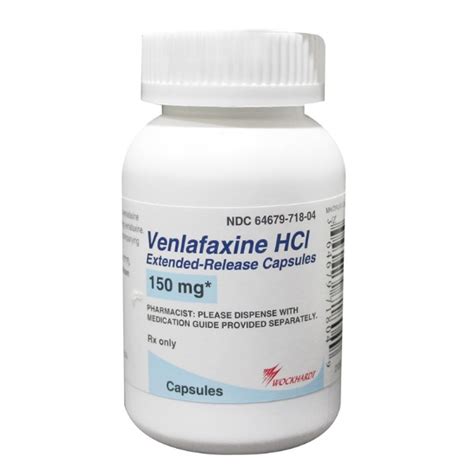
Venlafaxine HCl ER, or extended-release venlafaxine hydrochloride, is a medication primarily used in the treatment of major depressive disorder (MDD), generalized anxiety disorder (GAD), social anxiety disorder, and panic disorder. It belongs to a class of drugs known as serotonin-norepinephrine reuptake inhibitors (SNRIs), which work by inhibiting the reuptake of both serotonin and norepinephrine, two neurotransmitters in the brain involved in mood regulation.
Mechanism of Action
Venlafaxine acts by selectively inhibiting the reuptake of serotonin and norepinephrine, thereby increasing the levels of these neurotransmitters in the synaptic cleft and enhancing neurotransmission. The extended-release formulation allows for once-daily dosing, providing a steady and consistent level of the medication in the bloodstream, which can help maintain the therapeutic effect throughout the day.
Uses
- Major Depressive Disorder (MDD): Venlafaxine HCl ER is used to treat depression, improving mood, sleep, and appetite.
- Generalized Anxiety Disorder (GAD): It helps reduce anxiety and fear, promoting a sense of well-being.
- Social Anxiety Disorder: Effective in reducing fear of social or performance situations.
- Panic Disorder: Helps in reducing the frequency and severity of panic attacks.
Administration and Dosage
The dosage of Venlafaxine HCl ER varies depending on the condition being treated and the patient’s response to the medication. It is generally recommended to start with a low dose and gradually increase as needed and under medical supervision. The tablets should be swallowed whole and not crushed, chewed, or placed in water, to ensure the extended-release mechanism is preserved.
Side Effects
Common side effects may include nausea, drowsiness, sweating, and changes in appetite or sleep patterns. More serious but less common side effects can include increased blood pressure, serotonin syndrome, and, in rare cases, suicidal thoughts, especially in children, adolescents, and young adults. It’s crucial for patients to be closely monitored by their healthcare provider, especially when starting or changing the dose of venlafaxine.
Contraindications and Warnings
Venlafaxine is contraindicated in patients with known hypersensitivity to venlafaxine or with uncontrolled narrow-angle glaucoma. It should also not be used concomitantly with monoamine oxidase inhibitors (MAOIs) or in patients who have used an MAOI within the past 14 days due to the risk of serotonin syndrome. Caution is advised in patients with a history of seizures, mania/hypomania, increases in blood pressure, and recent myocardial infarction or unstable heart disease.
Discontinuation
When discontinuing venlafaxine HCl ER, it is recommended to gradually taper the dose over a period of at least 2 weeks to minimize the risk of withdrawal symptoms, such as dizziness, headache, nausea, irritability, and insomnia.
Pregnancy and Breastfeeding
Venlafaxine HCl ER should be used in pregnancy only if the potential benefit justifies the potential risk to the fetus. Pregnant women, especially those in the third trimester, should be aware of the potential risk of neonatal withdrawal. Regarding breastfeeding, it’s known that venlafaxine is excreted in human milk, and caution should be exercised when administering it to a nursing woman.
Interactions
Venlafaxine can interact with various drugs, including MAOIs, other SNRIs, SSRIs, certain antipsychotics, and drugs that affect the central nervous system. It’s essential for patients to inform their healthcare provider about all medications they are taking before starting venlafaxine HCl ER.
Conclusion
Venlafaxine HCl ER is a valuable medication for the management of several mental health disorders, offering once-daily dosing convenience. While it can provide significant benefits for many patients, careful consideration of its side effects, potential interactions, and contraindications is necessary. As with any medication, especially those affecting the central nervous system, close supervision by a healthcare provider is crucial to ensure safe and effective treatment.
Frequently Asked Questions
What is the primary mechanism of action of venlafaxine HCl ER?
+Venlafaxine HCl ER works by inhibiting the reuptake of serotonin and norepinephrine, increasing their levels in the synaptic cleft and thus enhancing neurotransmission.
What are the common side effects of venlafaxine HCl ER?
+Common side effects include nausea, drowsiness, sweating, and changes in appetite or sleep patterns. Serious but rare side effects can include increased blood pressure, serotonin syndrome, and suicidal thoughts.
How should venlafaxine HCl ER be discontinued?
+When discontinuing venlafaxine HCl ER, the dose should be gradually tapered over at least 2 weeks to minimize the risk of withdrawal symptoms.
Can venlafaxine HCl ER be used during pregnancy?
+Venlafaxine HCl ER should be used in pregnancy only if the potential benefit justifies the potential risk to the fetus, and under close supervision of a healthcare provider.
What are the most important things to consider when taking venlafaxine HCl ER?
+Monitoring by a healthcare provider for potential side effects, adherence to the prescribed dosage, and awareness of potential interactions with other medications are crucial.