



Popular Age Options for Preschool and Kindergarten
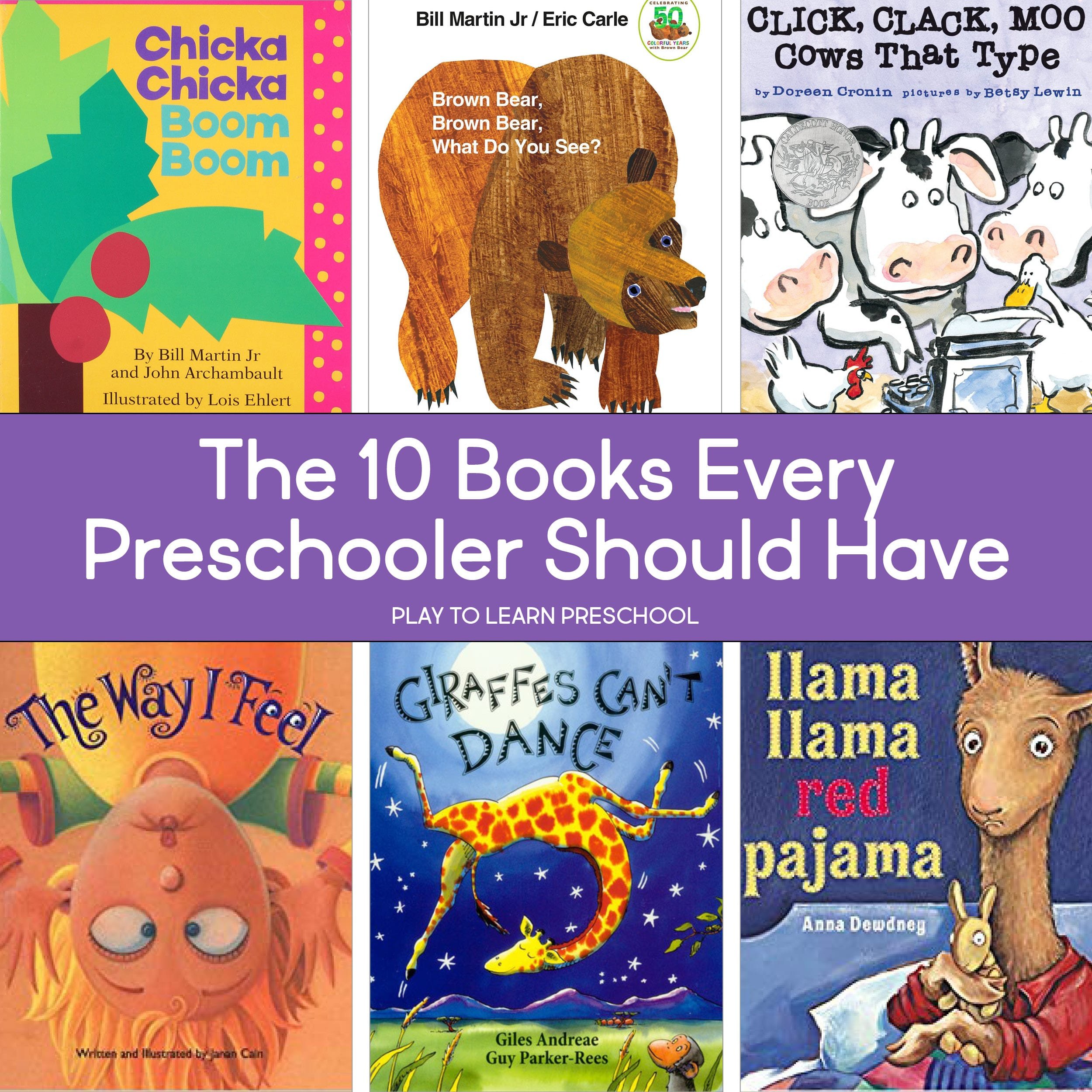
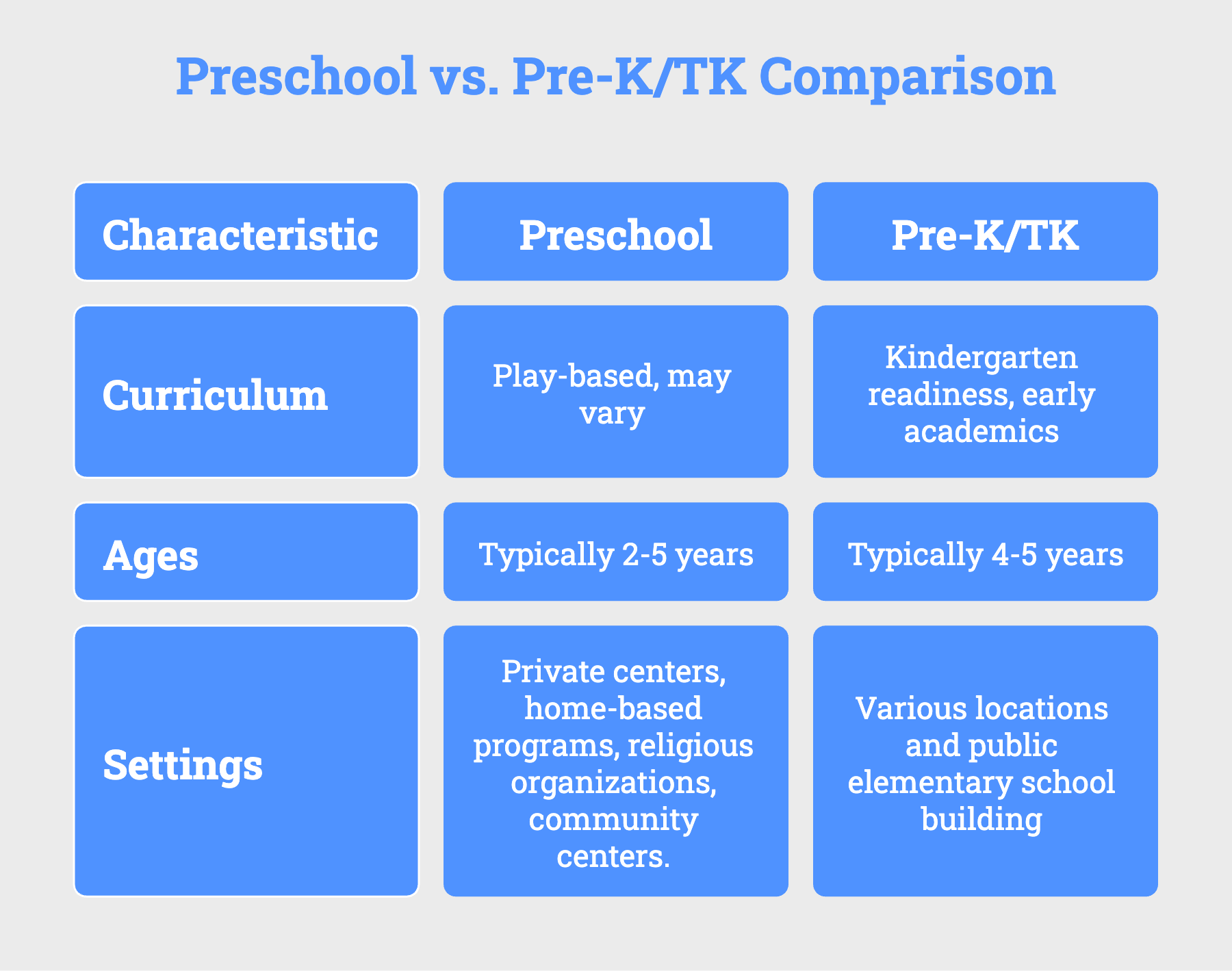
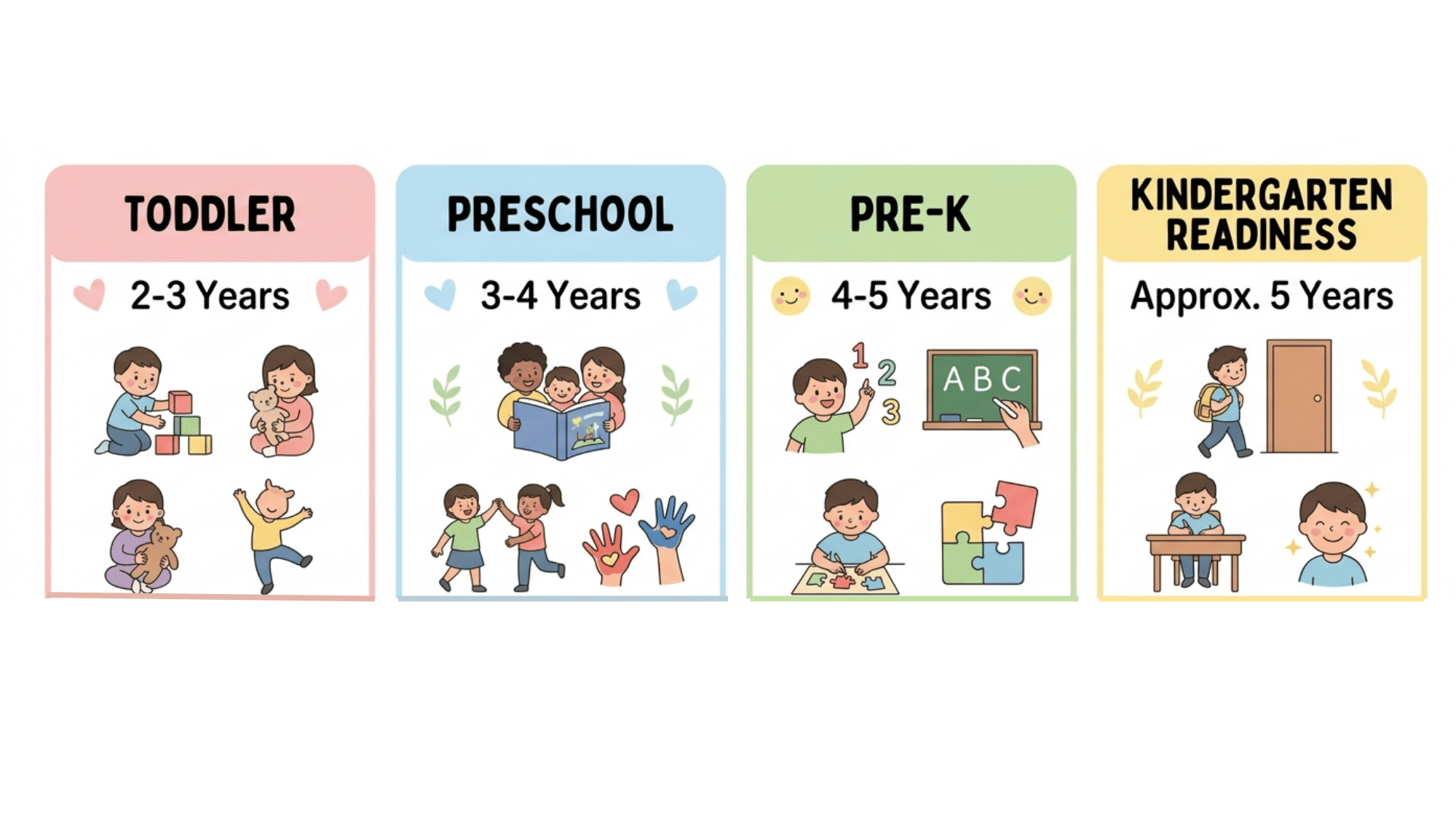
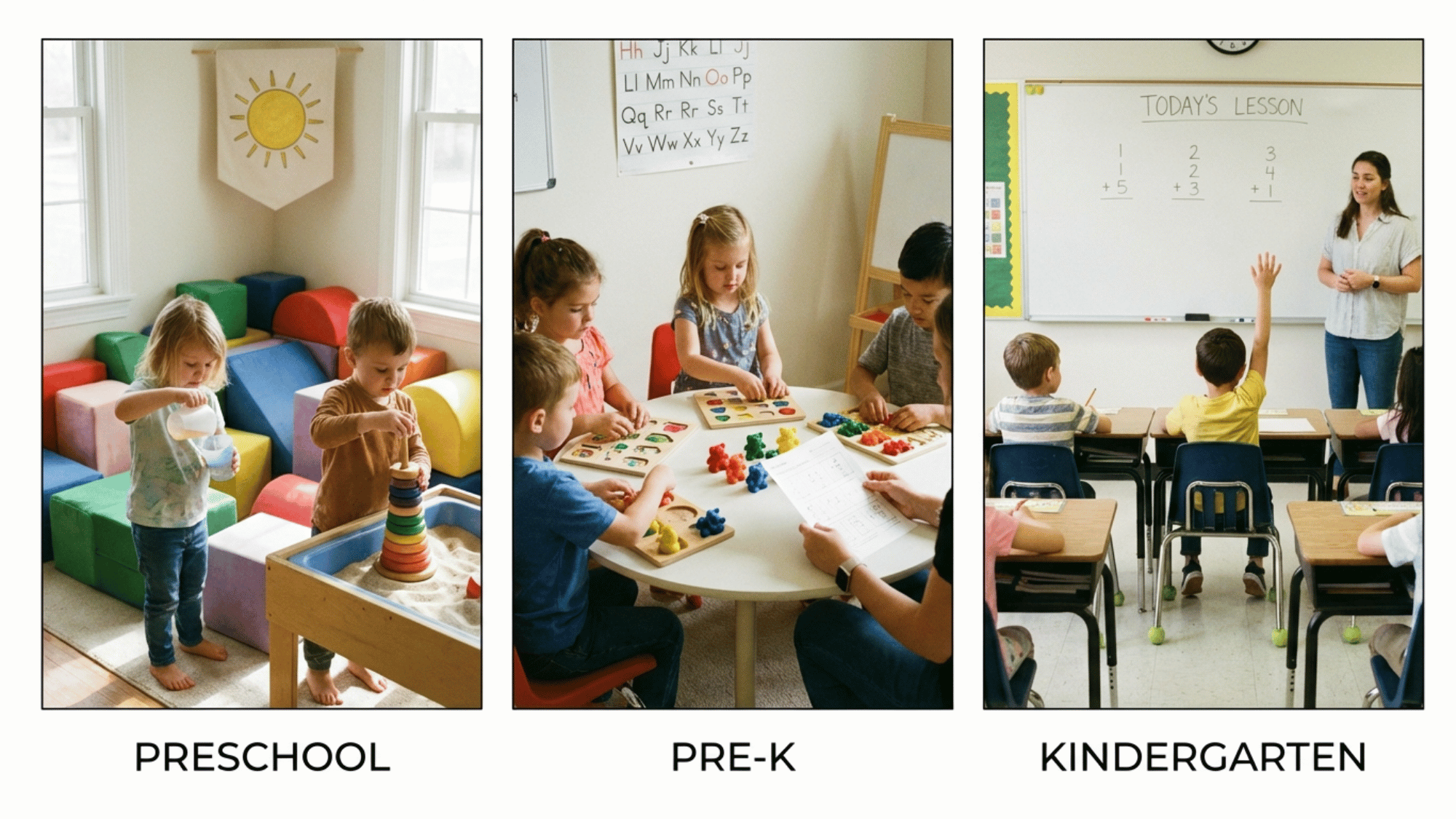
Preschool: Preschool is often the first formal educational setting for young children. It typically caters to children aged 3 to 5, with a focus on preparing them for the transition to kindergarten.
Pre-K (Pre-Kindergarten): Pre-K is the year before kindergarten, designed for children who are almost ready for elementary school. It usually accommodates children aged 4 to 5.
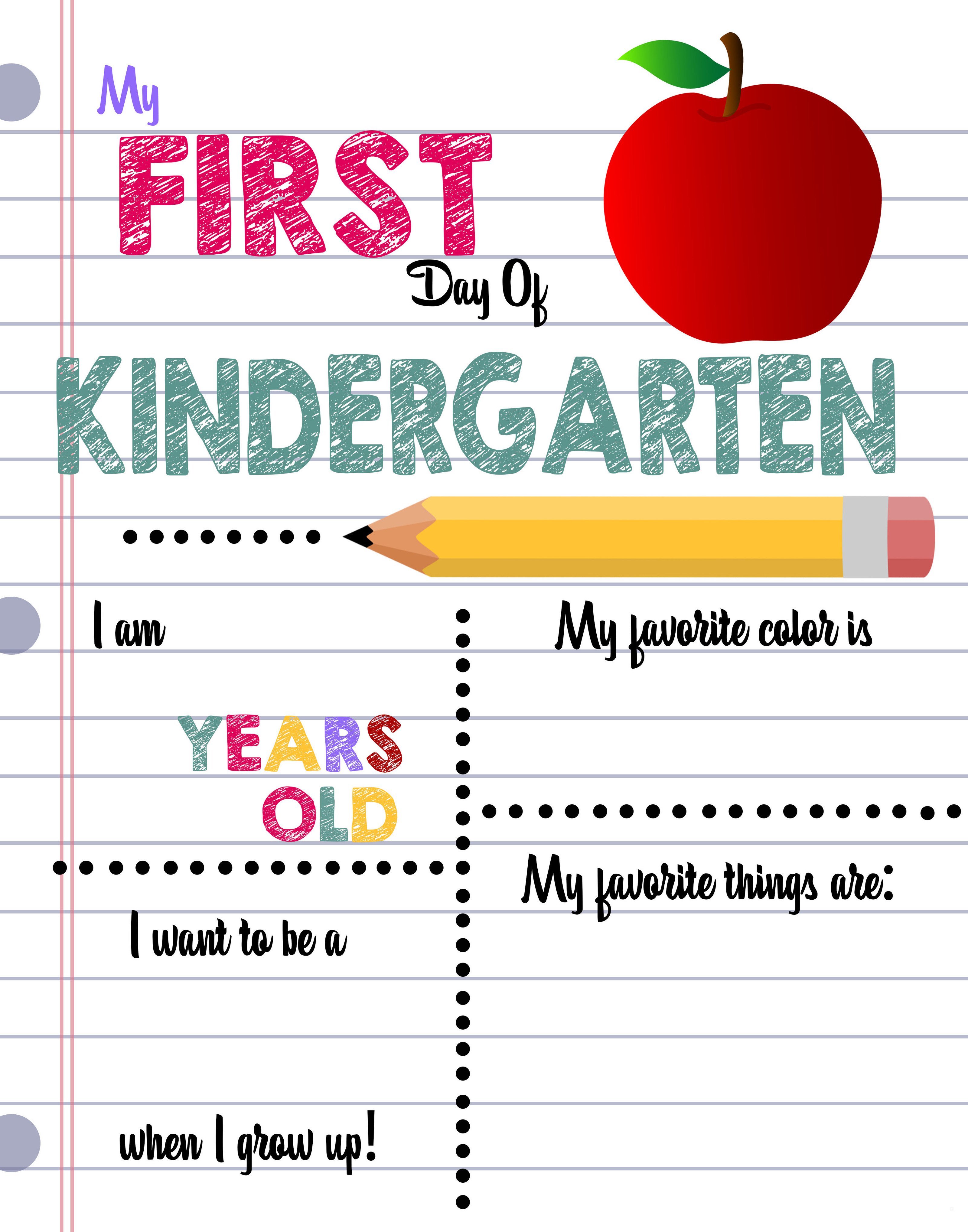
Kindergarten: Kindergarten marks the beginning of elementary education. Children typically start kindergarten at age 5, although this can vary depending on state cut-off dates and individual readiness.
Understanding Age Ranges and Cut-Off Dates
The age ranges for preschool, pre-K, and kindergarten can be influenced by state policies and school district guidelines. It's essential to check your local regulations to determine the specific age requirements for enrollment.
Most states have a cut-off date, which is the date by which a child must turn a certain age to be eligible for a particular grade level. For example, a child may need to turn 5 by a certain date to start kindergarten that year.
Readiness and Individual Development
While age is a primary factor, readiness is also key. Children who are ready for preschool and kindergarten demonstrate certain skills and behaviors, such as:
- Being comfortable away from parents or caregivers
- Showing curiosity and eagerness to learn
- Having basic self-care skills (e.g., potty training)
Curriculum Focus and Development
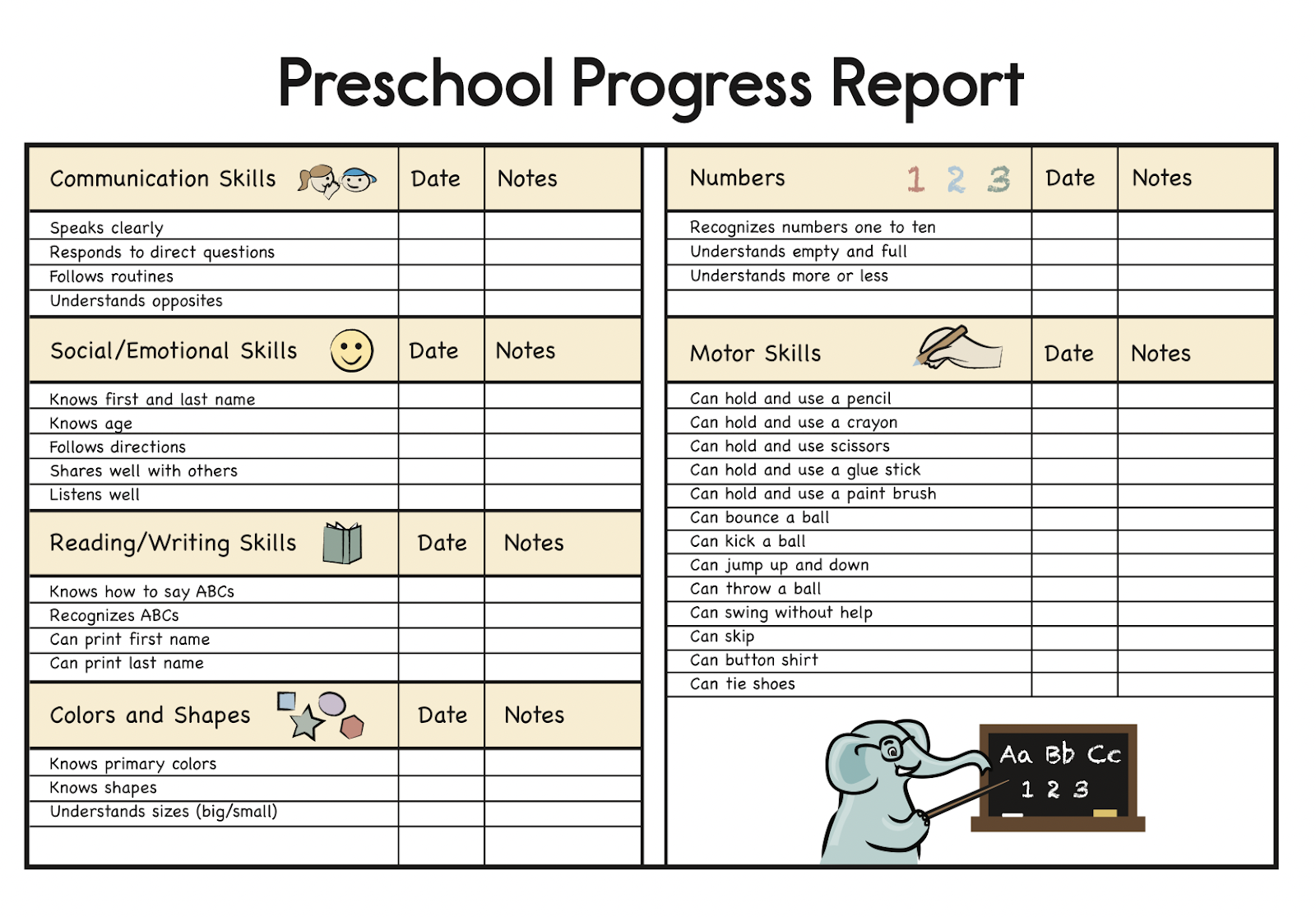
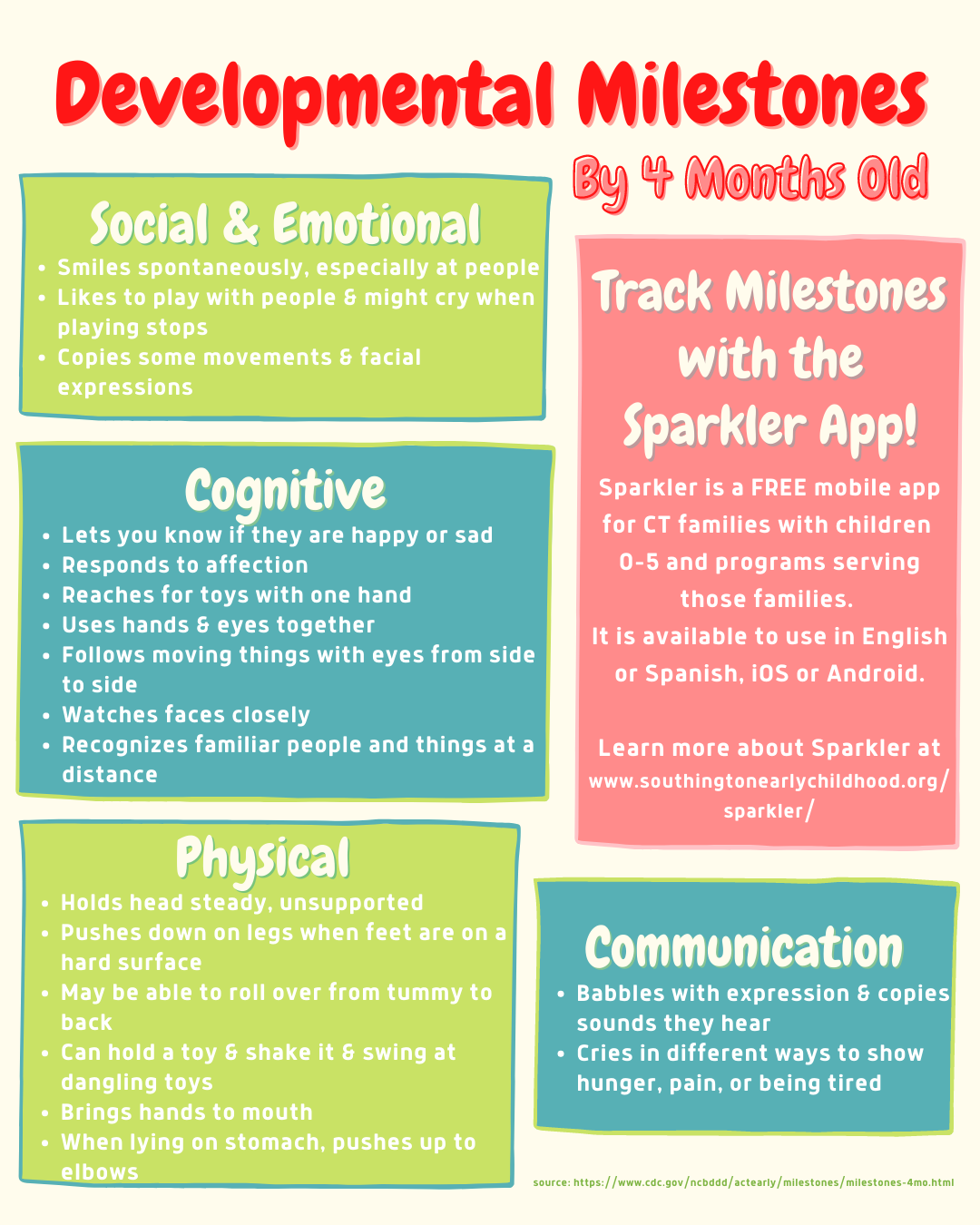
Preschool and kindergarten programs vary, but they generally aim to foster a child's overall development, including:
Social and emotional skills: Learning to interact with peers, share, and resolve conflicts.
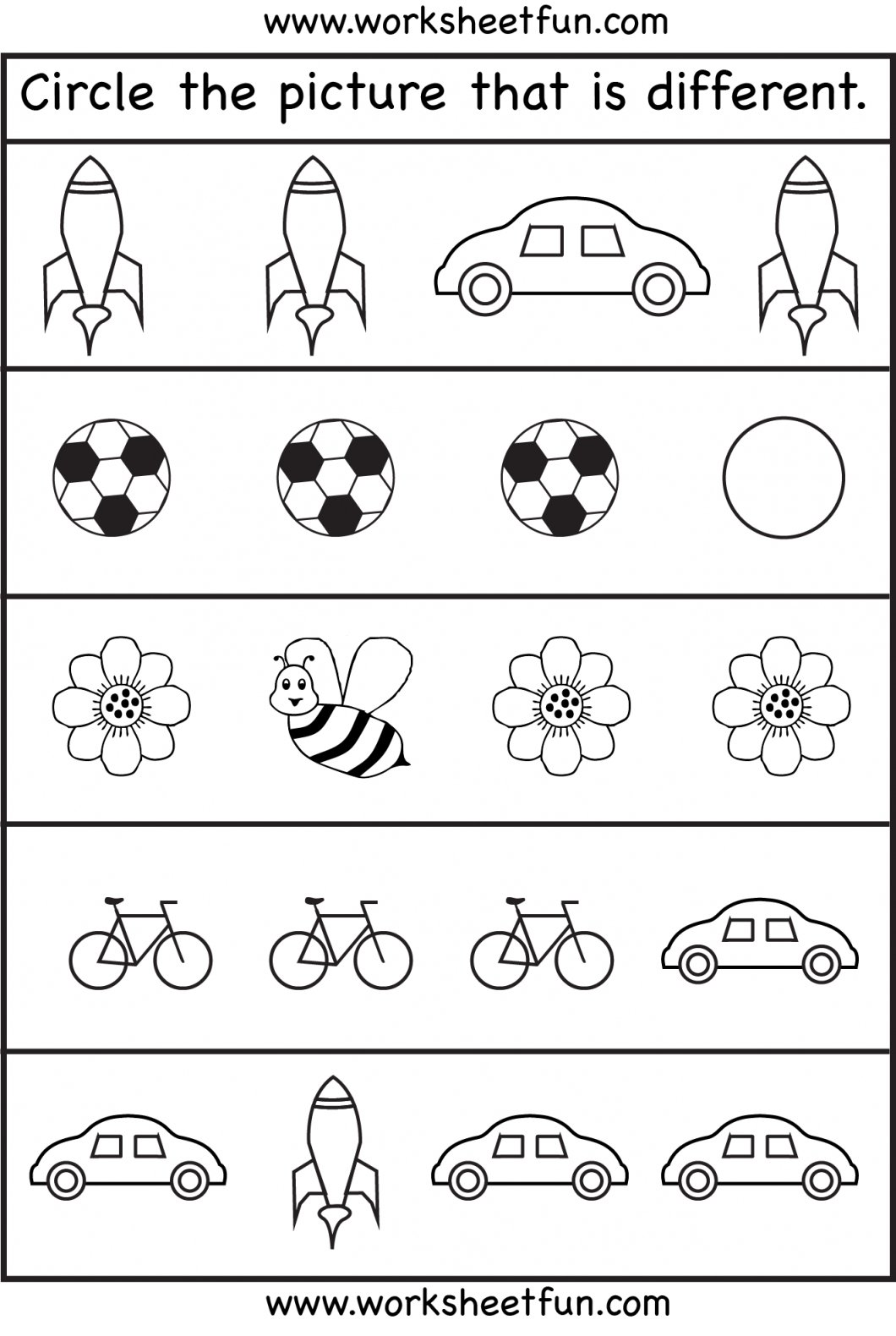
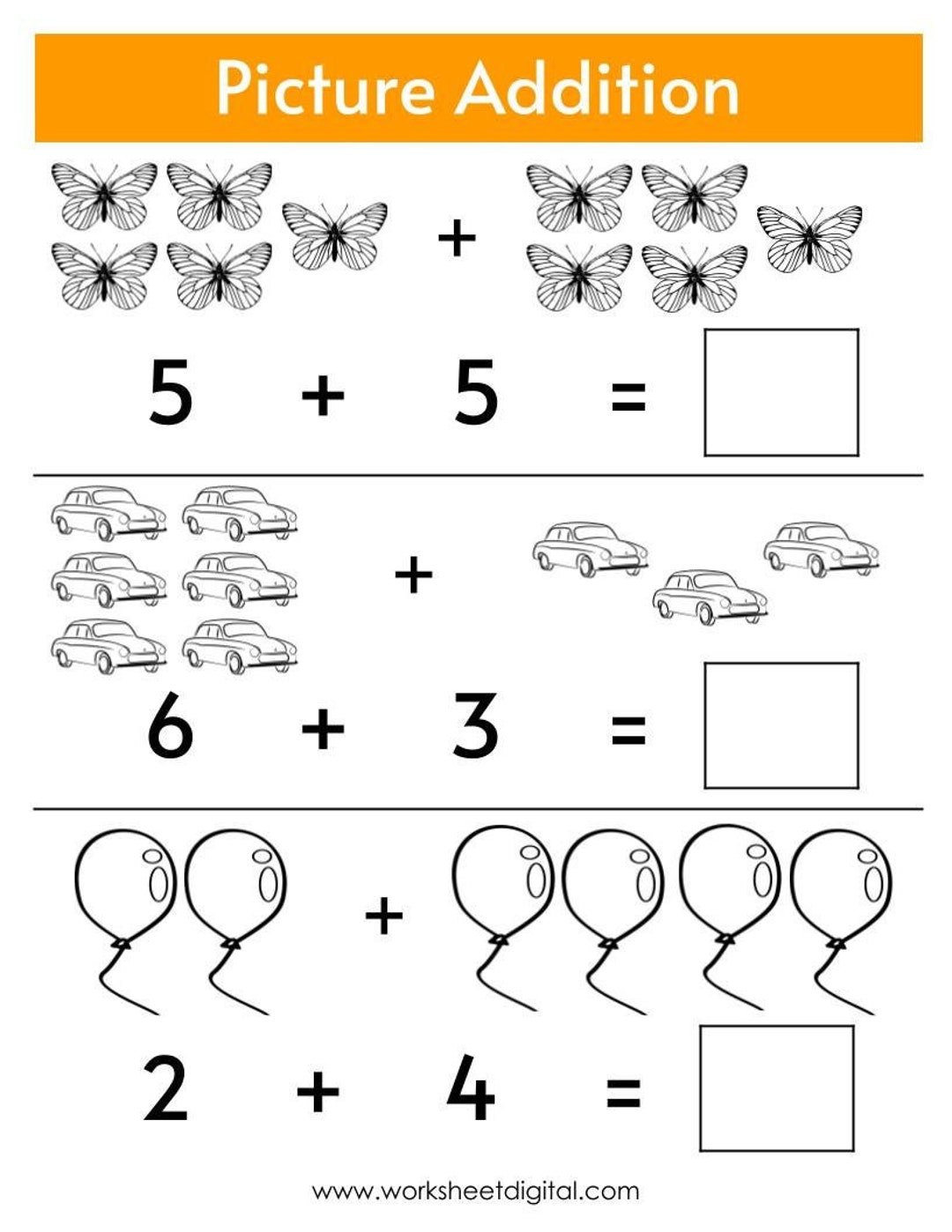
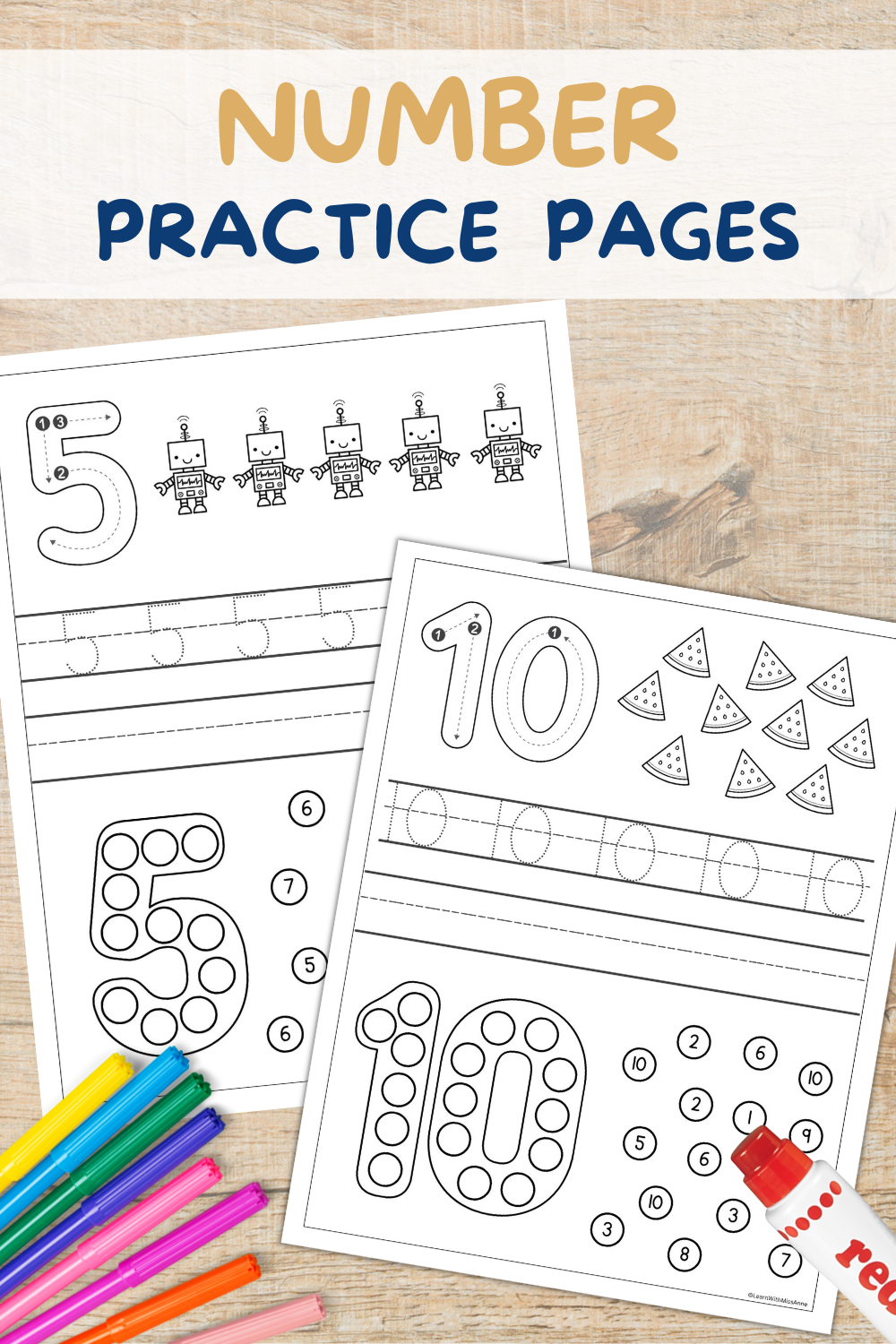
Cognitive skills: Developing problem-solving abilities, critical thinking, and a foundation for academic learning.
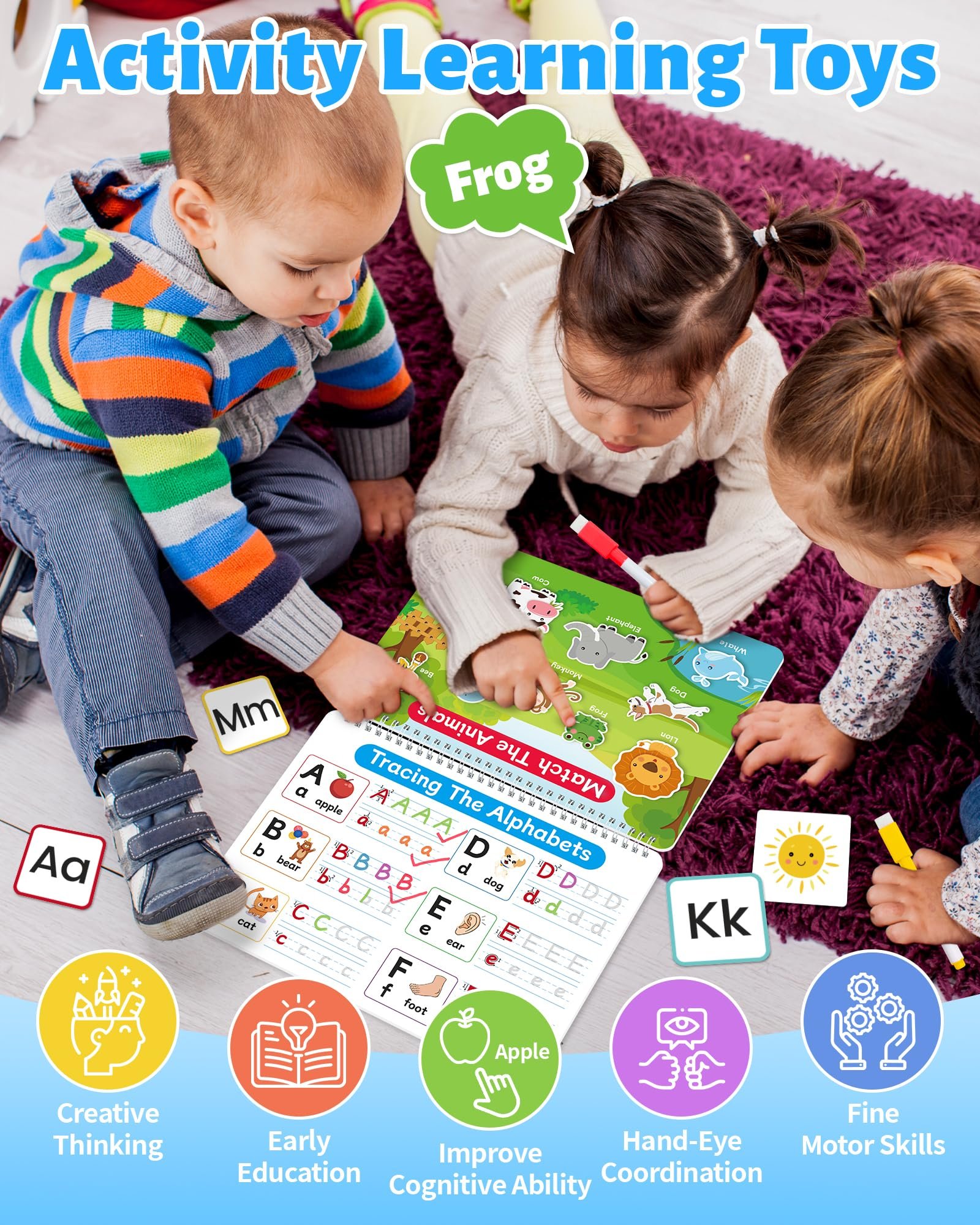
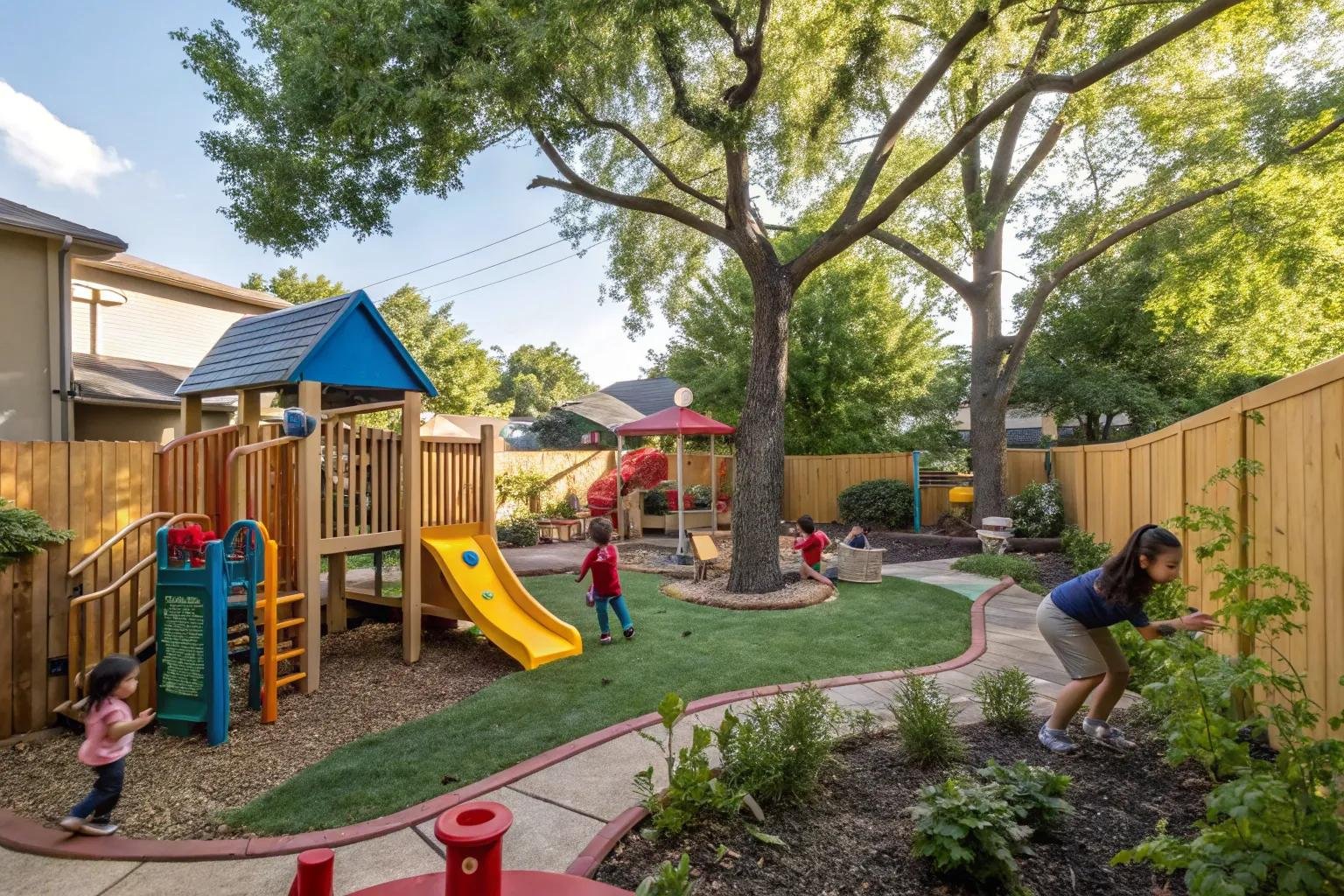
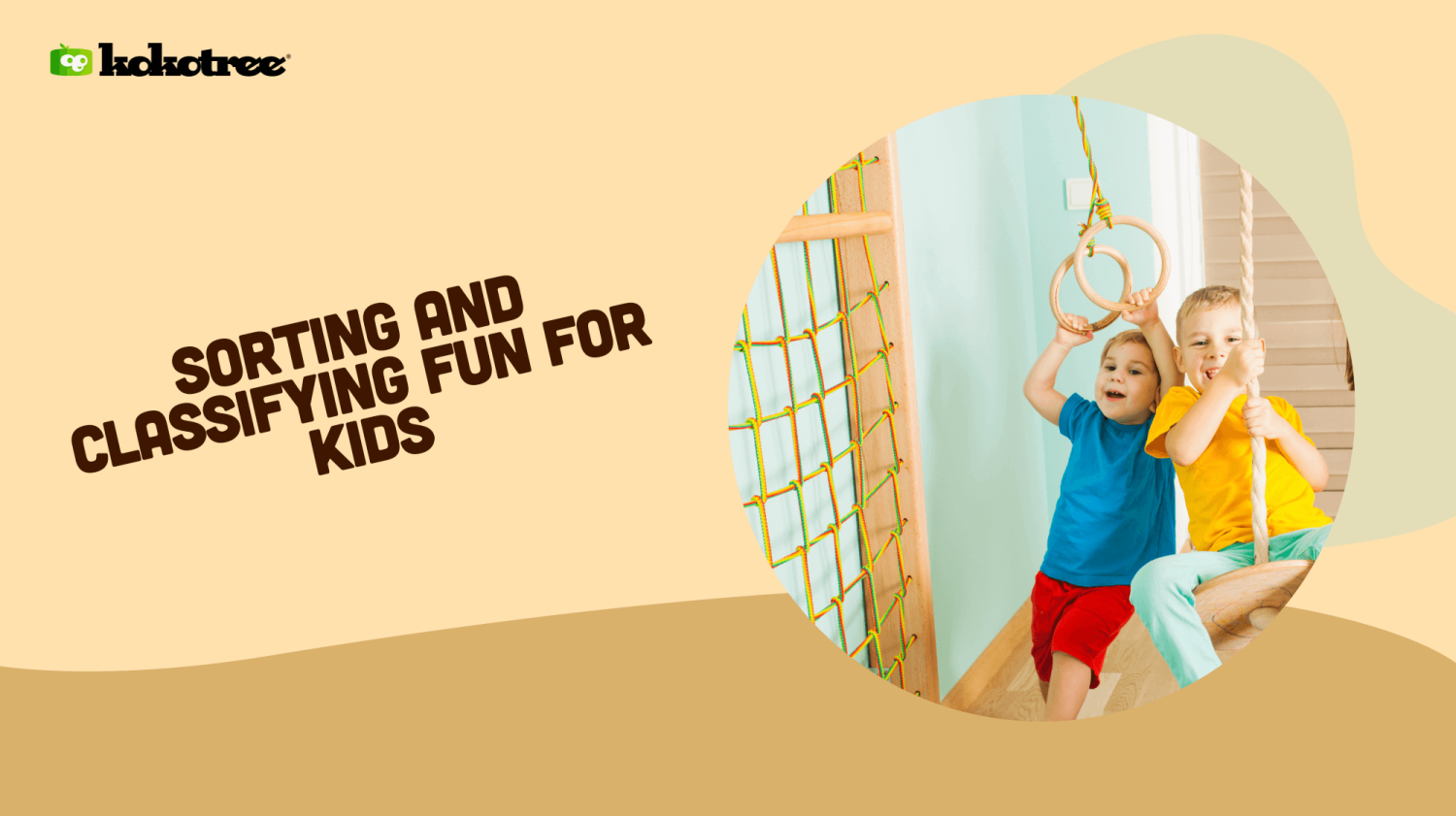
Fine and gross motor skills: Improving hand-eye coordination, balance, and physical abilities.
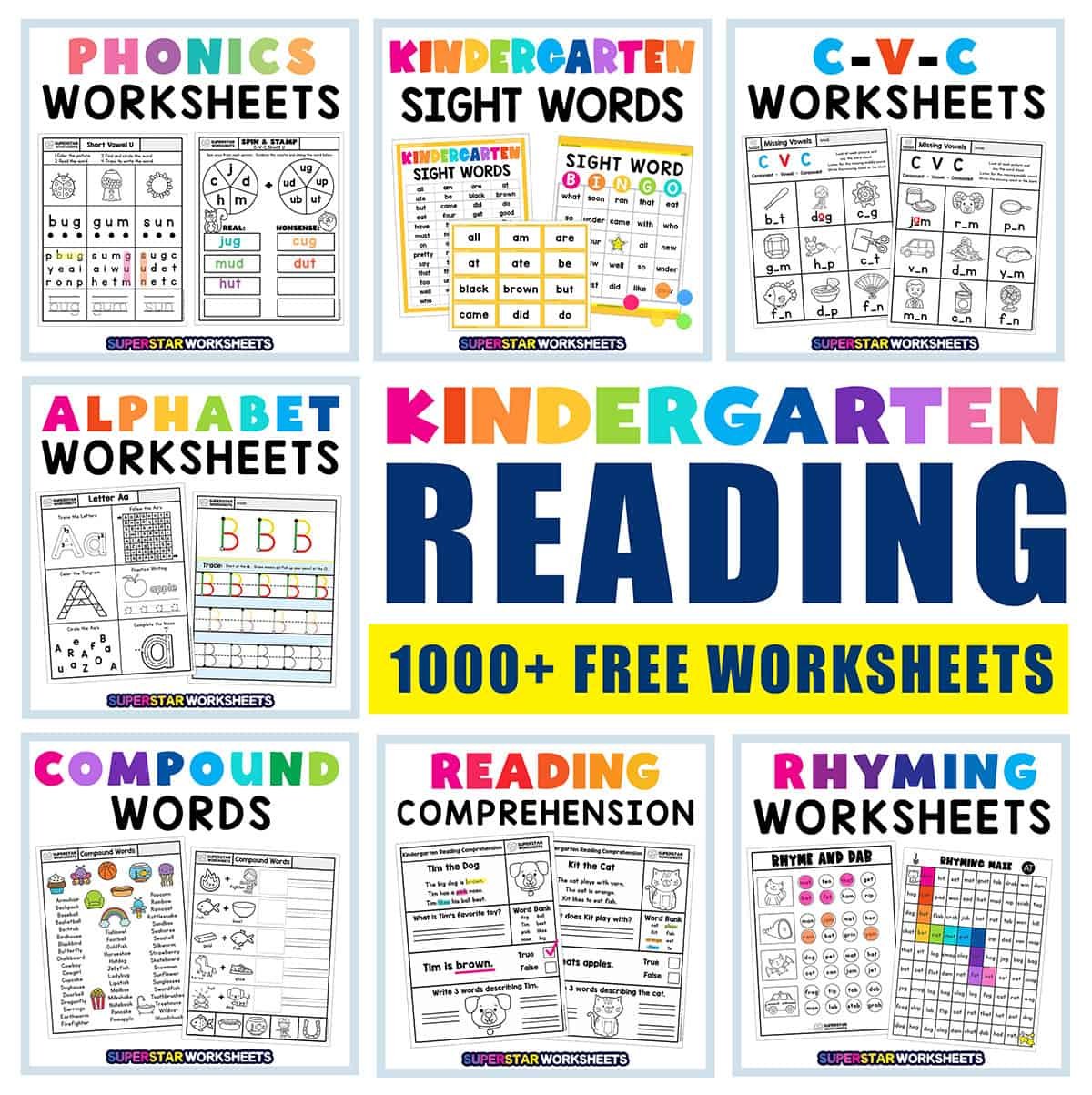
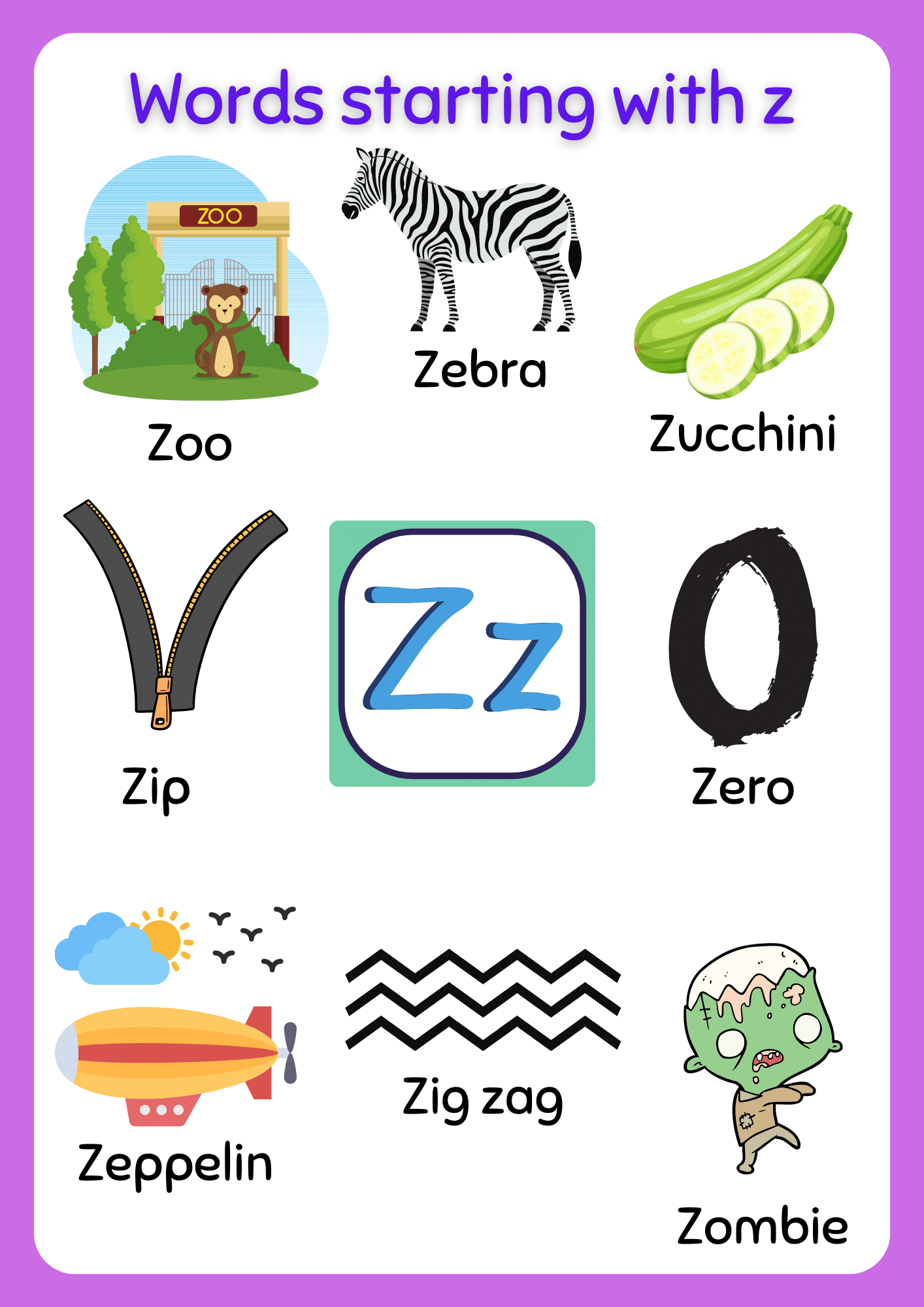
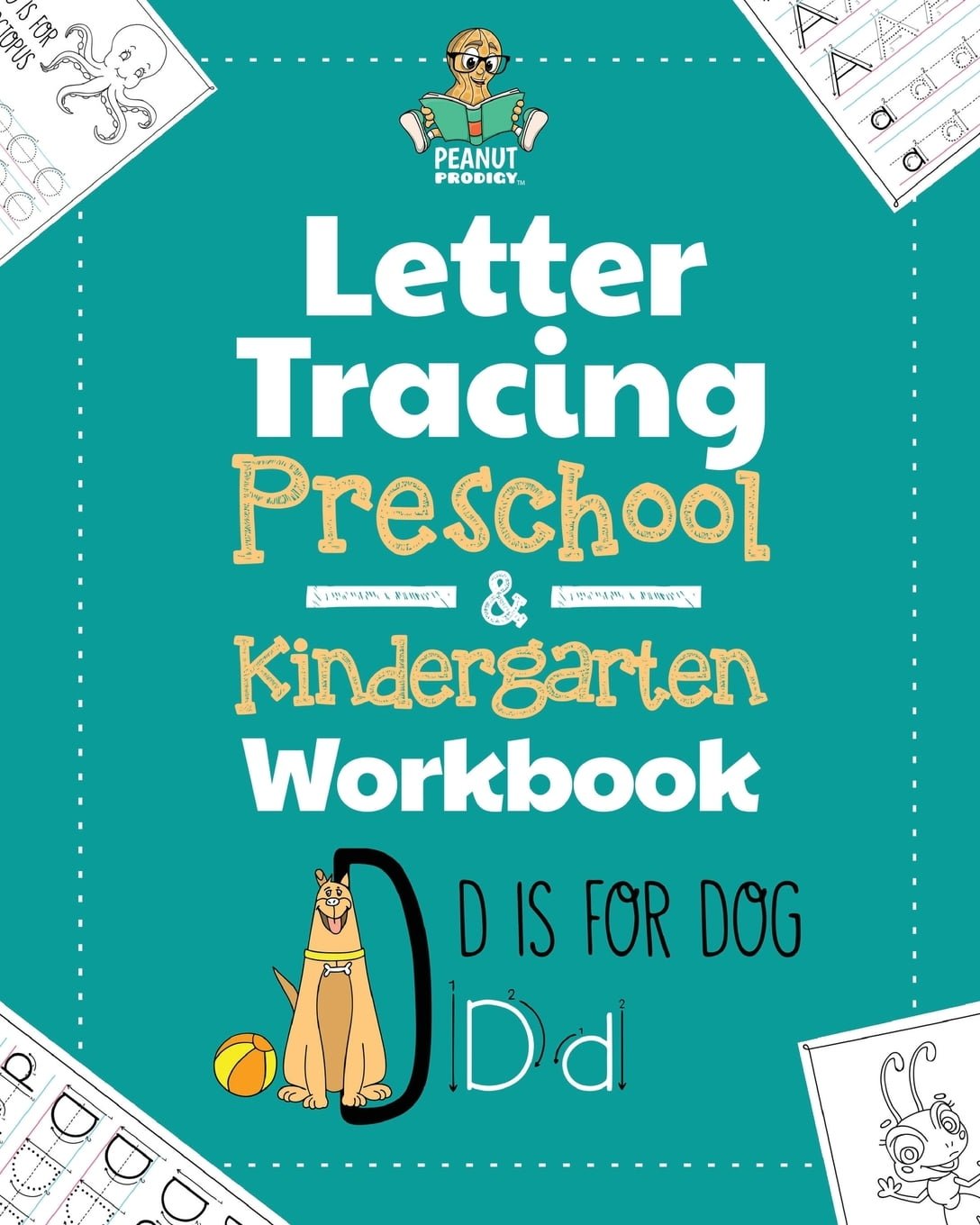
Language and communication: Building vocabulary, listening skills, and early literacy.
Resources and Further Reading
For more detailed information and resources, explore: