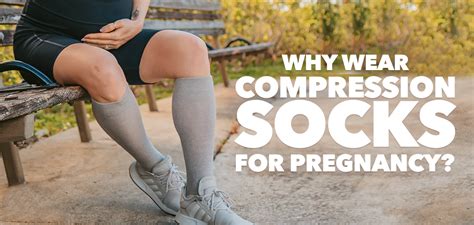
Compression socks have become an essential item for many pregnant women, and for good reason. As the body undergoes significant changes during pregnancy, the need for comfort, support, and relief from discomfort becomes more pressing. Compression socks are designed to provide graduated compression, which means they apply varying levels of pressure to different parts of the leg. This compression helps to improve blood flow, reduce swelling, and alleviate pain in the legs and feet.
During pregnancy, women often experience a range of symptoms that can be alleviated with compression socks. One of the most common complaints is swelling in the feet, ankles, and legs. This swelling, also known as edema, is caused by the increased blood volume and pressure on the veins. Compression socks can help to reduce this swelling by applying gentle pressure to the affected areas, which helps to push fluid back towards the heart.
Another benefit of compression socks during pregnancy is the relief they can provide from varicose veins. Varicose veins are a common condition that can cause pain, itching, and discomfort in the legs. Compression socks can help to alleviate these symptoms by applying pressure to the affected veins, which helps to reduce the strain on the vein walls.
In addition to relieving physical discomfort, compression socks can also help to improve overall circulation during pregnancy. Improved circulation can help to reduce the risk of blood clots, which are a common concern during pregnancy. By improving blood flow, compression socks can also help to reduce the risk of deep vein thrombosis (DVT), a condition that can be life-threatening if left untreated.
It’s essential to choose the right compression socks for pregnancy. Look for socks that provide graduated compression, with the tightest compression at the ankle and decreasing pressure as you move up the leg. This graduated compression helps to improve blood flow and reduce swelling. It’s also crucial to choose socks made from breathable, moisture-wicking materials that will keep your feet cool and dry.
When selecting compression socks for pregnancy, consider the following factors:
- Compression level: Look for socks with a compression level of 15-20 mmHg, which is suitable for most pregnant women.
- Material: Choose socks made from breathable, moisture-wicking materials like cotton, wool, or synthetic blends.
- Size: Ensure you choose the correct size to avoid constricting your legs or feet.
- Style: Consider knee-high or thigh-high socks, which can provide additional support and compression.
Some of the best compression socks for pregnancy include:
- Gradient compression socks: These socks provide graduated compression, with the tightest compression at the ankle and decreasing pressure as you move up the leg.
- Knee-high compression socks: These socks provide additional support and compression for the knees and upper legs.
- Thigh-high compression socks: These socks provide compression and support for the entire leg, from the toe to the thigh.
In addition to wearing compression socks, there are several other ways to alleviate discomfort during pregnancy. These include:
- Staying hydrated: Drinking plenty of water can help to reduce swelling and improve circulation.
- Elevating your feet: Raising your feet above the level of your heart can help to reduce swelling and improve circulation.
- Taking regular breaks: Getting up and moving around regularly can help to improve circulation and reduce discomfort.
- Exercising regularly: Gentle exercises like walking or swimming can help to improve circulation and reduce discomfort.
What is the best compression level for pregnancy?
+The best compression level for pregnancy is typically between 15-20 mmHg. However, it's essential to consult with your healthcare provider to determine the most suitable compression level for your individual needs.
Can compression socks help with varicose veins during pregnancy?
+Yes, compression socks can help alleviate symptoms of varicose veins during pregnancy. By applying gentle pressure to the affected veins, compression socks can help reduce the strain on the vein walls and improve circulation.
How often should I wear compression socks during pregnancy?
+It's recommended to wear compression socks during the day, especially during periods of prolonged sitting or standing. However, it's essential to remove the socks at night to allow your skin to breathe and reduce the risk of skin irritation.
In conclusion, compression socks can be a valuable addition to your pregnancy wardrobe. By providing graduated compression, relieving swelling, and improving circulation, compression socks can help alleviate discomfort and reduce the risk of complications during pregnancy. Remember to choose the right compression level, material, and style to ensure you get the most benefit from your compression socks.