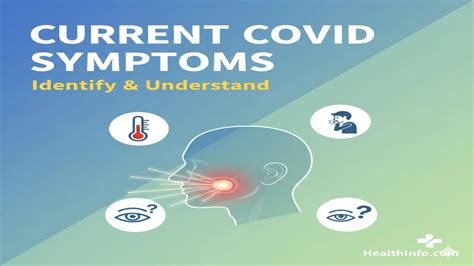
The COVID-19 pandemic has presented the world with an unprecedented health challenge, with its impact felt across almost every aspect of modern life. At the heart of managing and mitigating the spread of this virus is understanding its symptoms. Recognizing the signs of COVID-19 is crucial for individuals to seek appropriate medical care, prevent further transmission, and for healthcare systems to provide targeted interventions. This article delves into the spectrum of COVID-19 symptoms, exploring their range, severity, and how they can vary among different populations.
Introduction to COVID-19 Symptoms
COVID-19, caused by the SARS-CoV-2 virus, manifests with a wide array of symptoms, ranging from mild to severe. The variability in symptoms can sometimes make diagnosis challenging without laboratory confirmation. Common symptoms include fever, cough, and shortness of breath or difficulty breathing. However, as the pandemic has evolved, it has become clear that many individuals also experience a constellation of other symptoms, both respiratory and non-respiratory.
Common Symptoms of COVID-19
- Fever: This is one of the most common symptoms, often presenting as a high temperature.
- Cough: Can range from a mild, dry cough to a more severe cough that brings up mucus or blood.
- Shortness of breath or difficulty breathing: Indicates that the virus is affecting the lungs.
- Fatigue: Feeling weak or extremely tired, which can significantly impact daily activities.
- Headache: Ranging from mild to severe, this can be a standalone symptom or accompany other symptoms.
- Sore throat: Mild to severe pain in the throat, which may be exacerbated by swallowing.
- Runny nose: Or stuffy nose, which can be similar to symptoms experienced with the common cold.
- Body aches or muscle pains: General discomfort that can range from mild to severe.
- Diarrhea: Although less common, some individuals may experience gastrointestinal symptoms.
- Nausea or vomiting: Similar to diarrhea, these are less frequently reported but can occur.
Less Common Symptoms
While the above list encompasses the most frequently reported symptoms, COVID-19 can also manifest with less common symptoms, including but not limited to:
- Loss of appetite: Many individuals experience a decreased desire to eat.
- Confusion or disorientation: More commonly seen in severe cases, especially among older adults.
- Sore eyes: Redness and swelling of the conjunctiva (conjunctivitis).
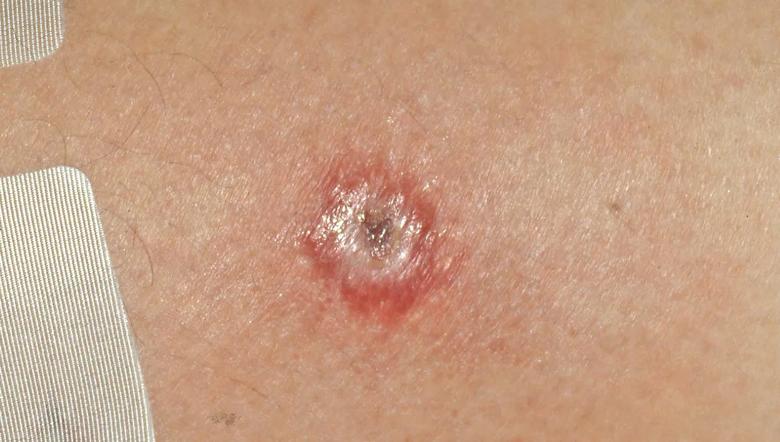
- Skin rash: Various forms of skin manifestations have been reported in some cases.
- Conjunctivitis: Redness and inflammation of the eyes.
Severe Symptoms
In severe cases of COVID-19, symptoms can escalate to include:
- Difficulty breathing: Requiring oxygen therapy or more intensive respiratory support.
- Chest pain or pressure: Indicates serious cardiac or respiratory issues.
- Severe headache: Accompanied by confusion or altered consciousness.
- Persistent pain or pressure in the chest: Signifies potential myocardial infarction (heart attack) or other serious conditions.
- Inability to stay awake: Can be a sign of severe illness.
When to Seek Medical Attention
Understanding when symptoms necessitate medical intervention is crucial. If experiencing any of the following, individuals should seek immediate medical care:
- Shortness of breath: Difficulty breathing or feeling like one is going to pass out.
- Persistent pain or pressure in the chest: Could indicate heart-related issues.
- Severe headache: Sudden and severe, could be indicative of stroke or other conditions.
- Confusion or inability to wake up: Requires immediate medical attention.
- Pale, gray, or blue-colored skin: Indicates severe illness.
Guidance for High-Risk Populations
Certain populations, including older adults, young children, pregnant women, and those with underlying health conditions, are at a higher risk for developing severe illness from COVID-19. For these groups, recognizing symptoms early and seeking prompt medical advice is vital.
Managing Symptoms and Preventing Spread
- Stay hydrated: Drinking plenty of fluids helps the body recover.
- Rest: Getting adequate rest supports the immune system.
- Follow public health guidelines: Practices like social distancing, wearing masks, and frequent hand-washing are crucial in preventing the spread of the virus.
- Monitor symptoms: Keeping track of when symptoms start and how they evolve can help healthcare providers in making accurate diagnoses and offering appropriate care.
Conclusion
The spectrum of COVID-19 symptoms is vast, ranging from mild to severe and affecting various body systems. Understanding these symptoms is the first step in the fight against the pandemic. By recognizing the signs of COVID-19, individuals can take immediate action to protect not only themselves but also those around them. This includes seeking medical care when necessary and adhering to public health guidelines to mitigate the virus’s spread. As the world continues to navigate the complexities of COVID-19, continued vigilance, awareness, and adherence to expert guidance remain paramount.
How do I know if I have COVID-19?
+Recognizing COVID-19 symptoms is key. Common symptoms include fever, cough, and shortness of breath, among others. If you're unsure about your symptoms, it's best to consult a healthcare professional for an accurate diagnosis and advice.
    <div class="faq-item">
        <div class="faq-question">
            <h3>What should I do if I have symptoms of COVID-19?</h3>
            <span class="faq-toggle">+</span>
        </div>
        <div class="faq-answer">
            <p>If you experience symptoms of COVID-19, isolate yourself from others as soon as possible, wear a mask if you must be around others, and seek medical attention, especially if your symptoms worsen or if you belong to a high-risk group.</p>
        </div>
    </div>

    <div class="faq-item">
        <div class="faq-question">
            <h3>How can I protect myself and others from COVID-19?</h3>
            <span class="faq-toggle">+</span>
        </div>
        <div class="faq-answer">
            <p>Adhering to public health guidelines such as regular hand washing, wearing masks, maintaining social distancing, and avoiding crowded areas can significantly reduce the risk of COVID-19 transmission. Additionally, getting vaccinated as soon as possible is one of the most effective ways to protect yourself and others.</p>
        </div>
    </div>
</div>
As the situation with COVID-19 continues to evolve, staying informed with the latest guidance from public health authorities and healthcare professionals is essential. Remember, each individual’s response to COVID-19 can vary greatly, making it crucial to remain vigilant and proactive in managing symptoms and preventing the spread of the virus.