The importance of dietary fiber is well-documented, with benefits ranging from promoting digestive health to supporting healthy blood sugar levels and even aiding in weight management. However, certain individuals, such as those with gastrointestinal issues or those undergoing specific dietary therapies, may need to restrict their fiber intake temporarily. In such cases, understanding which vegetables are low in fiber can be incredibly helpful.
Vegetables are a cornerstone of a healthy diet, providing essential vitamins, minerals, and antioxidants. While many vegetables are high in fiber, there are several that naturally contain lower amounts, making them suitable for a low-fiber diet. It’s crucial to note that even low-fiber vegetables can contribute to overall fiber intake, and portion control is key when managing fiber consumption.
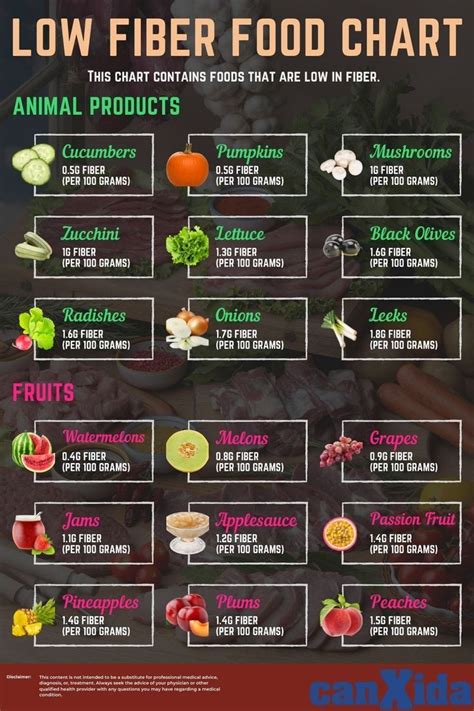
One of the primary low-fiber vegetables is cucumbers. With a fiber content of about 0.5 grams per 100 grams, cucumbers are not only refreshing but also suitable for those looking to keep their fiber intake in check. They are rich in water content, making them excellent for hydration, and contain antioxidants like fisetin, which has been linked to various health benefits.
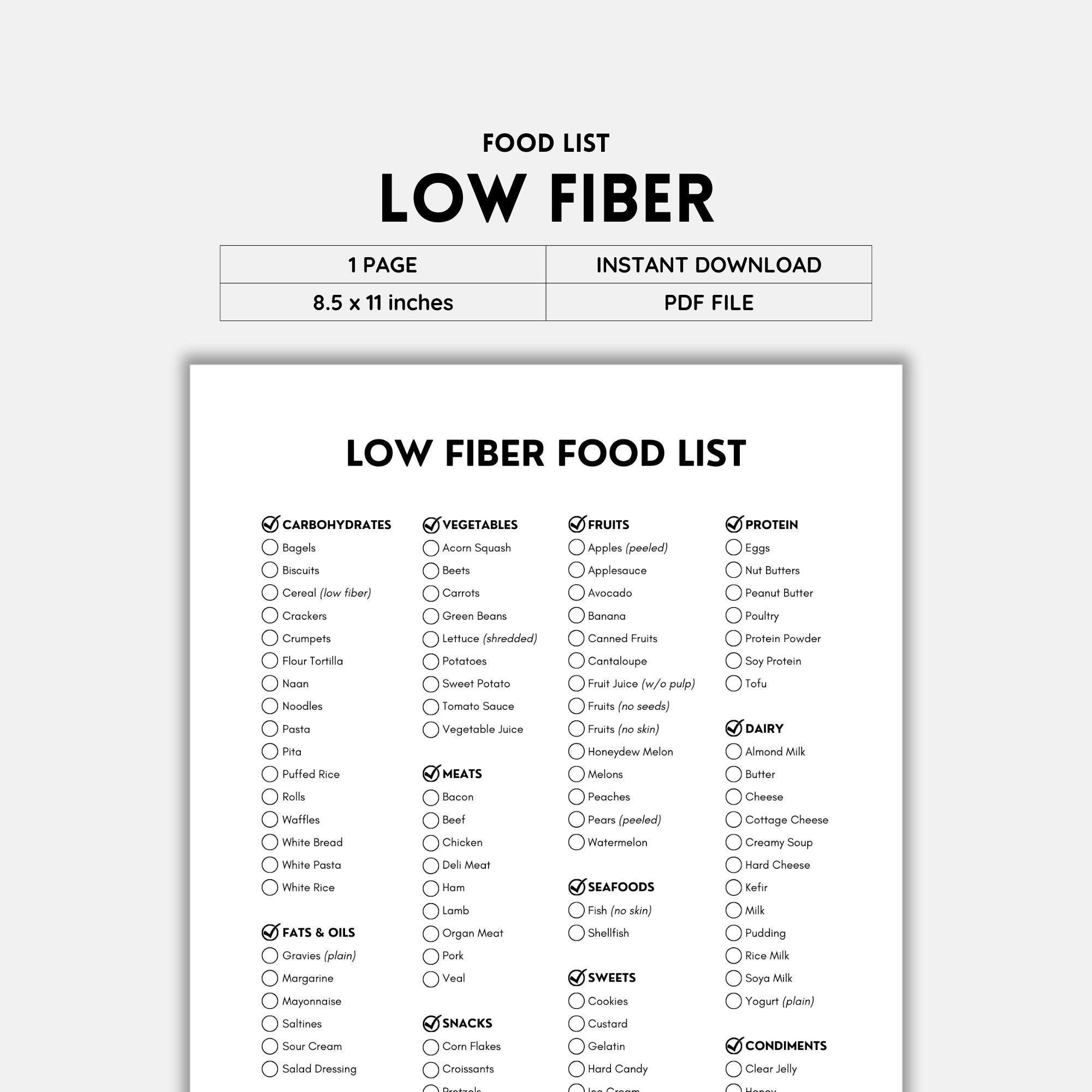
Another vegetable that is relatively low in fiber is the bell pepper. Depending on the color, bell peppers contain between 1.7 and 2.5 grams of fiber per 100 grams. Bell peppers are rich in vitamin C and contain a variety of carotenoids, such as beta-carotene, which can be converted into vitamin A in the body, supporting healthy vision and immune function.
Iceberg lettuce is another low-fiber option, containing about 0.5 grams of fiber per 100 grams. Although it is often criticized for being less nutrient-dense than other leafy greens, it still provides some vitamins and minerals, and its low fiber content makes it accessible to those with dietary restrictions.
Radishes are also low in fiber, with about 1.8 grams per 100 grams. They are crunchy and can add a spicy kick to salads and other dishes. Radishes contain compounds that may help reduce inflammation and are a good source of vitamin C.
Green beans are a popular choice for those managing fiber intake, as they contain about 2.0 grams of fiber per 100 grams. They are versatile, can be prepared in numerous ways, and are a good source of vitamins C and K, as well as manganese, a mineral that plays a role in the body’s antioxidant defenses.
Lastly, mushrooms, while not botanically vegetables but often used as such in culinary contexts, are very low in fiber, with about 0.5 grams per 100 grams. They are rich in umami flavor and can add depth to a variety of dishes. Some mushrooms, like shiitake and reishi, are also valued for their potential health benefits, including immune system support.
For individuals looking to manage their fiber intake, here are some key points to consider: - Portion Control: Even with low-fiber vegetables, managing portion sizes is crucial to keep overall fiber intake in check. - Variety: Incorporate a variety of vegetables into your diet to ensure you are getting a broad spectrum of nutrients. - Preparation Methods: Certain cooking methods can slightly reduce the fiber content of vegetables, but the effect is generally minimal. - Combination with Other Foods: How you combine vegetables with other foods can impact your overall fiber intake. For example, pairing low-fiber vegetables with whole grains or legumes can increase the fiber content of your meal.
Steps to Incorporate Low-Fiber Vegetables into Your Diet
- Assess Your Needs: Determine your daily fiber goals and which vegetables fit within those limits.
- Plan Your Meals: Incorporate low-fiber vegetables into your meal planning to ensure variety and nutritional balance.
- Cook Creatively: Explore different cooking methods and recipes that highlight low-fiber vegetables.
- Monitor and Adjust: Keep track of your fiber intake and adjust your diet as needed to maintain a balance that works for you.
Incorporating low-fiber vegetables into your diet can be a healthy and delicious way to manage your fiber intake. Whether you’re dealing with specific dietary restrictions or simply looking to vary your vegetable intake, these options can provide valuable nutrients while helping you meet your health goals.
What is the daily recommended intake of fiber?
+The daily recommended intake of fiber varies by age and sex, but for adults, it's generally around 25-30 grams per day for women and 30-38 grams per day for men.
Can cooking reduce the fiber content of vegetables?
+Cooking can slightly reduce the fiber content of vegetables, especially if they are overcooked, but the effect is usually minimal. The method of cooking, such as steaming versus boiling, can have a slight impact on nutrient retention.
How can I ensure I'm getting enough nutrients on a low-fiber diet?
+Working with a healthcare provider or a registered dietitian can help you develop a diet plan that meets your nutritional needs while managing your fiber intake. Focus on a variety of foods, including vegetables, fruits, whole grains, lean proteins, and healthy fats.
By understanding which vegetables are lower in fiber and incorporating them into a balanced diet, individuals with specific dietary needs can enjoy the nutritional benefits of a variety of vegetables while managing their fiber intake effectively. Remember, a balanced and varied diet, along with professional guidance when needed, is key to maintaining good health and meeting your nutritional requirements.