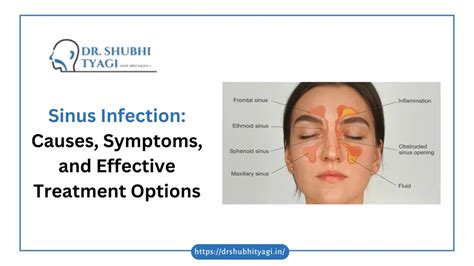
Sinus infections, also known as sinusitis, occur when the nasal passages and sinuses become inflamed or infected. This condition can be acute, lasting a short period, or chronic, persisting over a longer duration. The causes of sinus infections can be varied, often involving a combination of factors that compromise the normal functioning of the sinuses.
Anatomical Considerations
The sinuses are air-filled cavities located within the bones around the nose and eyes. They produce mucous, which helps to filter, warm, and humidify the air we breathe. For the sinuses to function properly, they must be able to drain mucous freely. Any obstruction or inflammation that interferes with this drainage can lead to an accumulation of mucous, creating an ideal environment for the growth of bacteria, viruses, or fungi, and subsequently leading to a sinus infection.
Common Causes of Sinus Infections
Viral Infections: The most common cause of sinus infections is a viral upper respiratory tract infection, such as the common cold or flu. These infections can cause the sinuses to become inflamed and swell, blocking the drainage pathways.
Bacterial Infections: While less common than viral infections, bacterial infections can also cause sinusitis, often as a secondary infection following a viral infection. Bacteria such as Streptococcus pneumoniae, Haemophilus influenzae, and Moraxella catarrhalis are common culprits.
Allergies: Allergic reactions to environmental factors like pollen, dust mites, or pet dander can lead to the release of histamine and other chemicals, causing nasal passages to swell and leading to sinus congestion.
Anatomical Issues: Deviated septum, nasal polyps, or other anatomical abnormalities can obstruct the normal flow of mucous and air, predisposing to sinus infections.
Environmental Factors: Exposure to pollutants, tobacco smoke, or changes in air pressure can irritate the sinuses and increase the risk of infection.
Symptoms of Sinus Infections
Symptoms can vary depending on the severity and duration of the infection but commonly include:
- Facial pain or pressure
- Nasal congestion or stuffiness
- Thick, yellow or green nasal discharge
- Loss of smell
- Cough
- Headache
- Fatigue
Effective Surgery Options for Sinus Infections
When medical treatments such as antibiotics, nasal decongestants, or corticosteroids fail to provide relief, or in cases of chronic sinusitis, surgery may be considered to restore normal drainage and function to the sinuses.
Functional Endoscopic Sinus Surgery (FESS): This is a minimally invasive procedure where a thin, flexible tube with a camera and light (endoscope) is inserted through the nostrils to visualize the sinuses. The surgeon then uses specialized instruments to remove blockages, such as polyps or bone and tissue that are obstructing the sinus drainage pathways.
Balloon Sinuplasty: In this procedure, a small, flexible balloon is inserted through the nostril and into the blocked sinus under local anesthesia. The balloon is then inflated to expand the sinus pathway, restoring normal drainage.
Caldwell-Luc Procedure: This is a more traditional surgical approach that involves making an incision in the upper gum to access and drain the maxillary sinus. Though less commonly used today due to the availability of less invasive techniques, it may still be indicated in certain cases.
Image-Guided Surgery: This technique uses advanced imaging technologies, such as CT scans or MRI, to guide surgical instruments during the procedure, enhancing precision and minimizing the risk of complications.
Post-Surgical Care and Recovery
After surgery, it’s essential to follow the surgeon’s instructions closely to ensure proper healing and minimize the risk of complications. This may include:
- Avoiding strenuous activities for a few weeks
- Using saline nasal sprays to keep the nasal passages moist
- Taking medications as prescribed to manage pain and prevent infection
- Following up with the surgeon for post-operative appointments
Conclusion
Sinus infections can significantly impact an individual’s quality of life, causing discomfort and disrupting daily activities. Understanding the causes and recognizing the symptoms are crucial for seeking appropriate medical attention. While many cases of sinusitis can be managed with medical treatments, surgical interventions offer effective solutions for those who do not respond to conservative management or have anatomical issues contributing to their condition. Advancements in surgical techniques have made procedures safer and less invasive, providing hope for individuals suffering from chronic or recurrent sinus infections.
What are the primary causes of sinus infections?
+Sinus infections are primarily caused by viral infections, but they can also result from bacterial infections, allergies, anatomical issues such as a deviated septum, and exposure to environmental pollutants.
What are the symptoms of a sinus infection?
+Common symptoms include facial pain or pressure, nasal congestion, thick nasal discharge, loss of smell, cough, headache, and fatigue. The severity of symptoms can vary based on the cause and duration of the infection.
When is surgery considered for sinus infections?
+Surgery is typically considered when medical treatments fail to provide relief, in cases of chronic sinusitis, or when there are anatomical issues such as nasal polyps or a deviated septum that contribute to recurrent infections.
Expert insights into the causes and treatments of sinus infections highlight the importance of a comprehensive approach to managing this condition. By understanding the underlying causes and exploring all available treatment options, including advanced surgical techniques, individuals can find effective relief from the symptoms of sinusitis and improve their quality of life.
In the realm of sinus infection management, the interplay between medical and surgical interventions underlines the value of personalized care. Each individual’s experience with sinusitis is unique, necessitating a tailored approach that addresses their specific needs and circumstances. Whether through straightforward medical management or more complex surgical procedures, the goal remains the same: to restore the normal functioning of the sinuses, alleviate symptoms, and enhance overall well-being.
As research and clinical practice evolve, so too do our understanding and treatment of sinus infections. The integration of cutting-edge surgical techniques, such as balloon sinuplasty and image-guided surgery, alongside traditional methods, offers a wider array of options for patients. This versatility in treatment approaches not only caters to the diverse needs of those affected by sinusitis but also underscores the commitment of healthcare professionals to delivering care that is both effective and patient-centered.
Ultimately, the management of sinus infections exemplifies the complex and multifaceted nature of healthcare. It demands a profound understanding of the underlying causes of disease, a keen awareness of the latest advancements in medical science, and a deep empathy for the individuals whose lives are touched by these conditions. As we continue to navigate the intricacies of sinusitis, our pursuit of knowledge, our dedication to innovation, and our passion for delivering compassionate care will remain the guiding principles that shape our response to this prevalent and often debilitating condition.