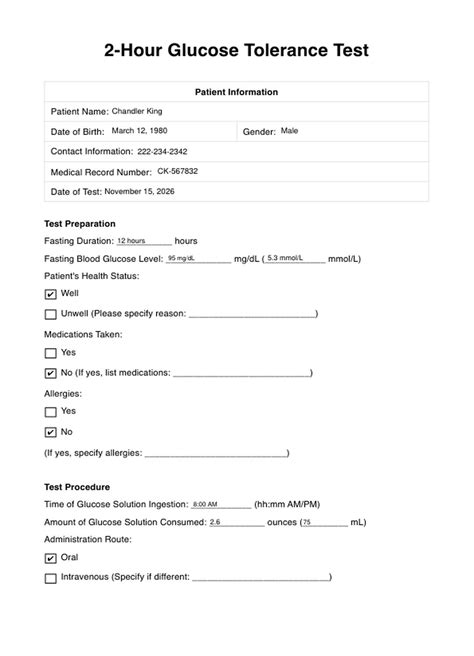
The 2-hour glucose test, also known as the oral glucose tolerance test (OGTT), is a medical procedure designed to assess the body’s ability to regulate blood sugar levels after consuming a sugary drink. This test is commonly used to diagnose gestational diabetes in pregnant women and to identify impaired glucose tolerance or diabetes in non-pregnant individuals. Understanding the purpose, preparation, and process of the 2-hour glucose test can help you feel more at ease and ensure accurate results.
Purpose of the 2-Hour Glucose Test
The primary purpose of the 2-hour glucose test is to evaluate how well your body manages glucose. When you consume the sugary drink provided for the test, your body should be able to effectively use insulin to regulate the increase in blood glucose levels. If your body fails to manage blood sugar effectively, it could indicate impaired glucose tolerance or diabetes.
Preparing for the 2-Hour Glucose Test
Preparation is key to ensuring that the results of your 2-hour glucose test are accurate. Here are some steps you can follow to prepare:
Dietary Preparation: Typically, you will be advised to follow a normal diet for a few days before the test. However, it’s essential to avoid very high-sugar foods and drinks, as they can affect the test results. Sometimes, specific dietary instructions may be given by your healthcare provider.
Fasting: Usually, you will be asked to fast for at least 8 hours before the test. This means avoiding any food or drink except water. Fasting is crucial because it ensures that the test starts with a baseline measurement of your blood glucose level that is not influenced by recent food intake.
Medications: Inform your healthcare provider about all the medications and supplements you are taking. Some medications can affect blood sugar levels and may need to be temporarily stopped before the test.
Physical Activity: Try to maintain your normal level of physical activity in the days leading up to the test. Significant changes in physical activity levels can affect your blood sugar control.
Stress Reduction: Stress can raise your blood glucose levels. Engage in stress-reducing activities if possible to help manage your stress levels before the test.
The 2-Hour Glucose Test Process
The test itself is relatively straightforward. Here’s what you can expect:
Initial Blood Draw: Upon arrival, a blood sample will be taken to measure your fasting glucose level.
Glucose Drink: After the initial blood draw, you will be given a sweet, syrupy glucose solution to drink. The amount of glucose in the drink is standardized to ensure the test results are comparable.
Waiting Period: After consuming the glucose drink, you will be asked to wait for 2 hours. During this time, you should not eat or drink anything except water.
Second Blood Draw: At the end of the 2-hour waiting period, another blood sample will be taken to measure your blood glucose level.
Results Interpretation: Your healthcare provider will interpret the results based on the blood glucose levels measured during the test. The criteria for diagnosing diabetes or impaired glucose tolerance may vary slightly depending on the guidelines followed by your healthcare provider.
Understanding Your Results
The results of the 2-hour glucose test are interpreted based on the plasma glucose levels measured during the test. Here are the general criteria:
- Normal: A 2-hour plasma glucose level of less than 140 mg/dL is typically considered normal.
- Impaired Glucose Tolerance (IGT): A 2-hour plasma glucose level of 140 to 199 mg/dL may indicate impaired glucose tolerance, suggesting an increased risk of developing diabetes.
- Diabetes: A 2-hour plasma glucose level of 200 mg/dL or higher is diagnostic of diabetes.
After the Test
After the test, you can resume your normal activities, including eating and drinking. If you have been fasting, it’s a good idea to eat a meal shortly after the test to help bring your blood sugar levels back to normal.
It’s also important to follow up with your healthcare provider to discuss the results of your test and any further actions that may be necessary based on those results.
Conclusion
The 2-hour glucose test is an essential tool for diagnosing and managing diabetes and impaired glucose tolerance. By understanding the purpose and process of the test and by preparing adequately, you can ensure that the results accurately reflect your body’s ability to regulate blood sugar levels. If you have concerns or questions about the test, don’t hesitate to reach out to your healthcare provider.
What should I eat before a 2-hour glucose test?
+You should follow a normal diet for a few days before the test but avoid very high-sugar foods and drinks. Sometimes, specific dietary instructions may be given by your healthcare provider.
Can I drink water during the 2-hour waiting period of the glucose test?
+What are the normal results for a 2-hour glucose test?
+A 2-hour plasma glucose level of less than 140 mg/dL is typically considered normal.