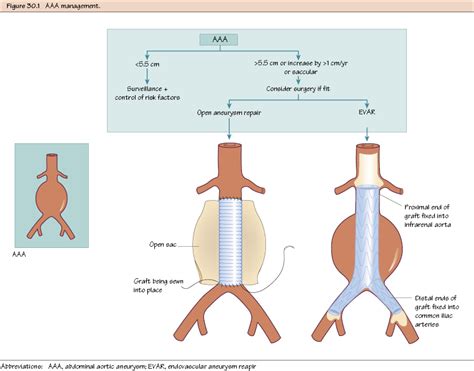
Abdominal aortic aneurysm (AAA) surgery is a medical procedure performed to repair or replace the aortic wall in the abdominal region, which has become weakened and bulged, posing a risk of rupture. The aorta is the largest artery in the body, responsible for carrying oxygenated blood from the heart to the rest of the body. When an aneurysm develops in the abdominal aorta, it can be life-threatening if left untreated.
An abdominal aortic aneurysm is typically described as a balloon-like bulge in the aortic wall, which can occur anywhere along the abdominal aorta. As the aneurysm grows, the aortic wall becomes thinner and more prone to rupture. If the aneurysm ruptures, it can lead to severe internal bleeding, shock, and even death.
Symptoms and Diagnosis
In many cases, abdominal aortic aneurysms do not exhibit symptoms until they have grown significantly or ruptured. However, some individuals may experience:
- Abdominal pain or tenderness
- Back pain
- A pulsating sensation in the abdomen
- A feeling of fullness or bloating
Diagnosis of an abdominal aortic aneurysm typically involves imaging tests, such as:
- Ultrasound
- Computed Tomography (CT) scan
- Magnetic Resonance Imaging (MRI)
- Angiography
These tests help determine the size and location of the aneurysm, as well as its risk of rupture.
Treatment Options
Treatment options for abdominal aortic aneurysms depend on the size, location, and risk of rupture. The primary goal of treatment is to prevent rupture and ensure the best possible outcome.
Open Repair Surgery
Open repair surgery involves making an incision in the abdomen to access the aortic aneurysm. The surgeon then:
- Clamps the aorta above and below the aneurysm
- Removes the weakened section of the aorta
- Replaces it with a synthetic graft (a tube made of synthetic material)
- Reattaches the aorta to the graft
Open repair surgery is typically performed under general anesthesia and requires a hospital stay of several days.
Endovascular Aneurysm Repair (EVAR)
Endovascular aneurysm repair (EVAR) is a minimally invasive procedure that involves:
- Making small incisions in the groin
- Inserting a catheter (a thin, flexible tube) through the femoral artery
- Guiding the catheter to the aortic aneurysm using imaging technology
- Deploying a stent-graft (a tube made of synthetic material supported by a metal mesh) to reinforce the aortic wall
EVAR is typically performed under local anesthesia and requires a shorter hospital stay compared to open repair surgery.
Watchful Waiting
For smaller aneurysms (less than 5.5 cm in diameter), watchful waiting may be recommended. This involves regular monitoring with imaging tests to track the size and growth of the aneurysm. If the aneurysm grows or exhibits symptoms, surgical intervention may be necessary.
Risks and Complications
As with any surgical procedure, abdominal aortic aneurysm surgery carries risks and complications, including:
- Bleeding or hemorrhage
- Infection
- Blood clots
- Kidney damage
- Respiratory problems
- Stroke or heart attack
It is essential to discuss these risks with your healthcare provider to determine the best course of treatment for your individual situation.
Recovery and Outcome
Recovery time varies depending on the type of surgery performed. Open repair surgery typically requires a longer recovery period (6-8 weeks) compared to EVAR (2-4 weeks). After surgery, it is essential to:
- Follow a healthy lifestyle, including a balanced diet and regular exercise
- Attend follow-up appointments with your healthcare provider
- Monitor for any signs of complications or aneurysm growth
With proper treatment and care, individuals with abdominal aortic aneurysms can lead active and healthy lives. However, it is crucial to be aware of the risks and symptoms associated with aneurysms to ensure prompt medical attention if needed.
What are the symptoms of an abdominal aortic aneurysm?
+Abdominal aortic aneurysms often do not exhibit symptoms until they have grown significantly or ruptured. However, some individuals may experience abdominal pain or tenderness, back pain, a pulsating sensation in the abdomen, or a feeling of fullness or bloating.
What is the difference between open repair surgery and endovascular aneurysm repair (EVAR)?
+Open repair surgery involves making an incision in the abdomen to access the aortic aneurysm, while EVAR is a minimally invasive procedure that involves inserting a catheter through the femoral artery to deploy a stent-graft. EVAR is typically less invasive and requires a shorter hospital stay compared to open repair surgery.
What are the risks and complications associated with abdominal aortic aneurysm surgery?
+Abdominal aortic aneurysm surgery carries risks and complications, including bleeding or hemorrhage, infection, blood clots, kidney damage, respiratory problems, stroke, or heart attack. It is essential to discuss these risks with your healthcare provider to determine the best course of treatment for your individual situation.
In conclusion, abdominal aortic aneurysm surgery is a medical procedure performed to repair or replace the aortic wall in the abdominal region. Treatment options depend on the size, location, and risk of rupture, and may include open repair surgery, endovascular aneurysm repair (EVAR), or watchful waiting. It is essential to be aware of the risks and symptoms associated with aneurysms to ensure prompt medical attention if needed. By understanding the treatment options and taking an active role in your healthcare, you can reduce the risk of complications and ensure the best possible outcome.