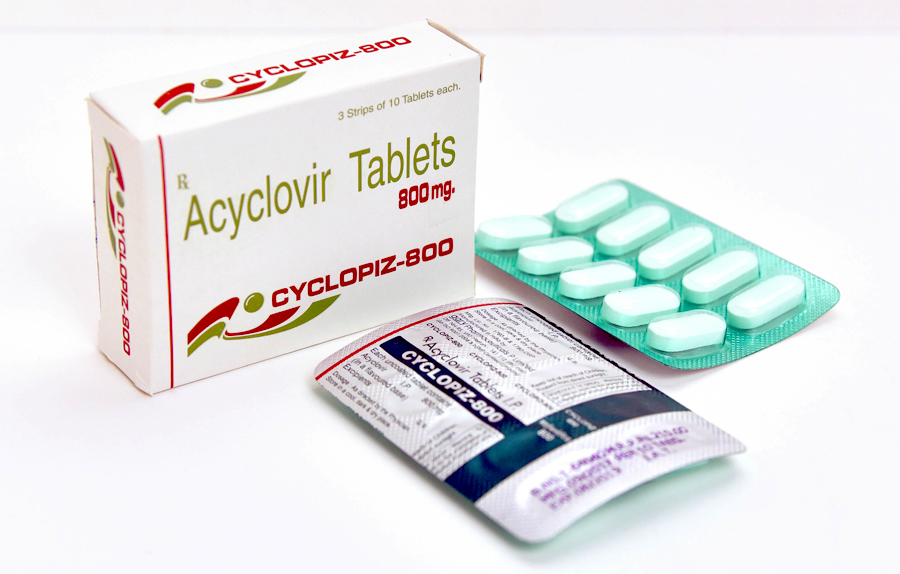
Acyclovir is an antiviral medication that is primarily used to treat viral infections caused by the herpes simplex virus (HSV), including genital herpes and cold sores. It belongs to a class of medications known as nucleoside analogs, which work by inhibiting the replication of viral DNA, thereby reducing the severity and duration of symptoms.
Uses of Acyclovir
Genital Herpes: Acyclovir is used to treat the symptoms of genital herpes, a sexually transmitted disease caused by the herpes simplex virus. It can help reduce the severity of outbreaks, decrease the frequency of recurrences, and lower the risk of transmitting the virus to others.
Cold Sores (Herpes Labialis): Cold sores, also known as fever blisters, are caused by the herpes simplex virus type 1 (HSV-1). Acyclovir can be used to treat cold sores, reducing their healing time and the severity of symptoms.
Chickenpox (Varicella): In some cases, acyclovir may be prescribed for the treatment of chickenpox, especially in individuals at high risk for complications, such as adults, adolescents, and those with weakened immune systems.
Shingles (Herpes Zoster): Acyclovir can be used to treat shingles, a condition caused by the reactivation of the varicella-zoster virus, which is the same virus that causes chickenpox. It can help reduce the severity and duration of the rash and pain associated with shingles.
Herpes Simplex Encephalitis: This is a rare but serious condition where the herpes simplex virus infects the brain. Acyclovir is used intravenously to treat herpes simplex encephalitis, significantly improving survival rates and reducing the risk of brain damage.
Neonatal Herpes: In newborns infected with herpes simplex virus, acyclovir is used to treat the infection, which can be life-threatening if left untreated.
Mode of Action
Acyclovir works by selectively inhibiting the viral DNA synthesis and replication. Once ingested, acyclovir is converted into its active form, acyclovir triphosphate, which acts as a nucleoside analog. This active form competes with the natural nucleosides for incorporation into the viral DNA, thereby terminating its elongation. This mechanism prevents the replication of the viral genome, reducing the viral load and alleviating symptoms.
Administration
Acyclovir can be administered orally in the form of capsules or tablets, or intravenously in more severe cases. The dosage and duration of treatment vary depending on the condition being treated. For recurrent genital herpes, for example, patients might take acyclovir only during outbreaks, while others might take it daily to suppress outbreaks.
Side Effects
Common side effects of acyclovir include nausea, vomiting, diarrhea, and headache. Less common but more serious side effects can include renal impairment, especially with high doses or rapid intravenous administration, and neurologic effects such as lethargy and obtundation.
Important Considerations
- Acyclovir is not a cure for herpes infections but can significantly reduce the severity and frequency of symptoms.
- It is crucial to start treatment as soon as the first signs of an outbreak appear to maximize its effectiveness.
- Resistance to acyclovir can occur, particularly in immunocompromised patients, which may necessitate the use of alternative antiviral medications.
In conclusion, acyclovir is a vital medication in the management of herpes simplex virus infections, offering relief from symptoms and reducing the complications associated with these conditions. Its effectiveness, combined with its relatively favorable safety profile, makes it a cornerstone in the treatment of viral infections caused by HSV.
What are the most common uses of acyclovir?
+Acyclovir is primarily used to treat viral infections caused by the herpes simplex virus, including genital herpes, cold sores, and in some cases, chickenpox and shingles.
How does acyclovir work?
+Acyclovir works by selectively inhibiting viral DNA synthesis and replication, thereby preventing the virus from multiplying and reducing the severity of symptoms.
What are the potential side effects of acyclovir?
+Common side effects include nausea, vomiting, diarrhea, and headache. Less common but more serious side effects can include renal impairment and neurologic effects such as lethargy.
Is acyclovir a cure for herpes infections?
+No, acyclovir is not a cure for herpes infections. It can significantly reduce the severity and frequency of symptoms but does not eliminate the virus from the body.