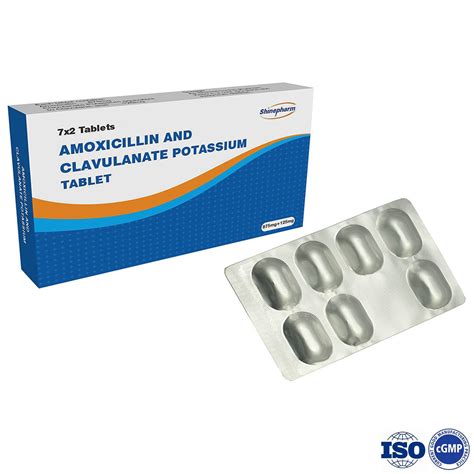
Amox/Clavulanate, also known as Augmentin, is a combination antibiotic medication used to treat a wide range of bacterial infections. The medication consists of two active ingredients: amoxicillin, a penicillin-type antibiotic, and clavulanate, a beta-lactamase inhibitor. The clavulanate component helps to overcome antibiotic resistance by inhibiting the action of beta-lactamase enzymes, which are produced by certain bacteria to inactivate amoxicillin.
Common Uses of Amox/Clavulanate:
- Respiratory Tract Infections: Amox/Clavulanate is commonly used to treat infections such as bronchitis, pneumonia, and sinusitis, which are typically caused by bacteria like Streptococcus pneumoniae, Haemophilus influenzae, and Moraxella catarrhalis.
- Skin and Soft Tissue Infections: The medication is effective against infections like cellulitis, impetigo, and abscesses, often caused by Staphylococcus aureus, Streptococcus pyogenes, and other bacteria.
- Urinary Tract Infections: Amox/Clavulanate can be used to treat urinary tract infections (UTIs) caused by bacteria like Escherichia coli, Klebsiella pneumoniae, and Proteus mirabilis.
- Ear and Eye Infections: The medication is used to treat infections like otitis media (middle ear infection) and conjunctivitis (pink eye), often caused by bacteria like Haemophilus influenzae, Streptococcus pneumoniae, and Moraxella catarrhalis.
- Dental Infections: Amox/Clavulanate is sometimes used to treat dental infections like abscesses and periodontal infections, which are often caused by bacteria like Streptococcus species, Fusobacterium nucleatum, and Prevotella intermedia.
How Amox/Clavulanate Works:
The amoxicillin component of the medication works by inhibiting the growth of bacteria by interfering with the synthesis of the bacterial cell wall. The clavulanate component helps to prevent the degradation of amoxicillin by beta-lactamase enzymes, allowing the antibiotic to reach effective concentrations at the site of infection.
Dosage and Administration:
The dosage and administration of Amox/Clavulanate vary depending on the type and severity of the infection, as well as the patient’s age, weight, and renal function. The medication is typically taken orally, and the dosage range is from 250 mg to 875 mg every 8-12 hours.
Important Considerations:
While Amox/Clavulanate is a highly effective antibiotic, it is essential to use the medication responsibly and only under the guidance of a healthcare professional. Overuse or misuse of antibiotics can contribute to the development of antibiotic resistance, making infections harder to treat.
In addition, patients should be aware of potential side effects, such as:
- Gastrointestinal upset (diarrhea, nausea, vomiting)
- Allergic reactions (rash, itching, swelling)
- Increased risk of Clostridioides difficile-associated diarrhea (CDAD)
It is crucial to complete the full course of treatment as prescribed, even if symptoms improve before finishing the medication.
Frequently Asked Questions:
What is the most common side effect of Amox/Clavulanate?
+The most common side effect of Amox/Clavulanate is gastrointestinal upset, including diarrhea, nausea, and vomiting.
Can I take Amox/Clavulanate if I am allergic to penicillin?
+If you have a known allergy to penicillin, you should not take Amox/Clavulanate without consulting your healthcare provider. However, if you have a mild allergy, your doctor may still prescribe the medication with caution.
How long does it take for Amox/Clavulanate to start working?
+Amox/Clavulanate can start working within a few hours of taking the first dose, but it may take several days to fully clear the infection.
Conclusion:
Amox/Clavulanate is a highly effective antibiotic combination used to treat a wide range of bacterial infections. While it is generally well-tolerated, it is essential to use the medication responsibly and under medical guidance to minimize the risk of side effects and antibiotic resistance. By understanding the uses, dosages, and potential side effects of Amox/Clavulanate, patients can work with their healthcare providers to develop effective treatment plans for bacterial infections.