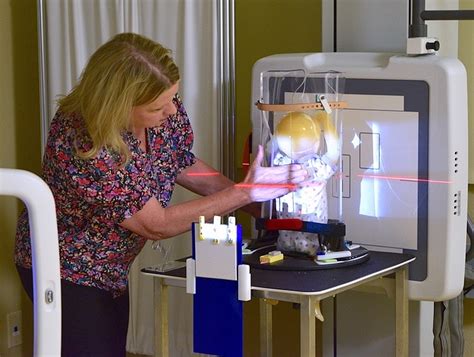
The use of X-rays in medical imaging has become a cornerstone in diagnosing and treating a myriad of health conditions. When it comes to babies, the concern for safety and the potential risks associated with X-ray exposure is paramount. Baby X-ray, or pediatric X-ray, refers to the use of X-ray technology to produce images of the internal structures of infants and young children. This diagnostic tool is invaluable in helping healthcare professionals assess and manage a range of conditions, from respiratory issues like pneumonia to skeletal abnormalities.
How Baby X-Ray Works
X-rays are a form of electromagnetic radiation that can penetrate solid objects, including the human body, to varying degrees. In the context of a baby X-ray, a machine emits X-rays, which then pass through the baby’s body. The X-rays that are not absorbed by the body’s tissues strike a detector, which creates an image. Denser materials, such as bone, absorb more X-rays and appear white on the image, while softer tissues absorb fewer X-rays and appear in shades of gray. Air-filled spaces, like the lungs, appear black because X-rays pass through air with minimal absorption.
Safety Considerations
The primary concern with using X-rays, especially in infants, is the potential for radiation exposure to cause harm. Ionizing radiation, such as that from X-rays, has enough energy to remove tightly bound electrons from atoms, thus creating ions. This process can lead to damage in the DNA of living cells, potentially causing mutations that may result in cancer or other health problems later in life.
However, it’s crucial to understand that advancements in X-ray technology have significantly reduced the amount of radiation exposure. Modern X-ray machines and techniques, such as digital X-ray systems, are designed to use the lowest possible dose of radiation to achieve the necessary diagnostic information. Additionally, healthcare professionals carefully weigh the benefits of an X-ray against the potential risks, ensuring that X-rays are used judiciously and only when necessary.
Guidelines for Safe Scanning
Justification: Ensure that there is a clear medical justification for the X-ray. This means that the expected benefits of the X-ray in terms of diagnosis and treatment should outweigh the potential risks.
Optimization: The X-ray should be performed using techniques that optimize the image quality while minimizing the radiation dose. This may involve adjusting the settings on the X-ray machine based on the age, size, and specific needs of the baby.
Dose Limits: Adhere to established dose limits for pediatric patients. These limits are designed to ensure that the radiation exposure is as low as reasonably achievable (ALARA principle) while still obtaining useful diagnostic information.
Alternative Techniques: Consider alternative imaging techniques that do not use ionizing radiation, such as ultrasound or MRI, when appropriate. These methods can provide valuable diagnostic information without exposing the baby to X-rays.
Communication: Ensure that parents or guardians are fully informed about the reasons for the X-ray, the potential benefits, and the risks. This open communication helps in making informed decisions about the baby’s healthcare.
Preparing Your Baby for an X-Ray
Preparing your baby for an X-ray can help make the process smoother and less stressful for both you and your child. Here are a few tips:
- Stay Calm: It’s essential to remain calm and reassuring, as babies can pick up on your emotions.
- Follow Instructions: Pay close attention to any instructions provided by the healthcare team regarding preparation, such as fasting or changing into a hospital gown.
- Comfort Measures: Bring a familiar comfort item, like a pacifier or soft toy, to help soothe your baby during the procedure.
- Positioning: Be prepared to help position your baby as instructed by the X-ray technician. This may require you to hold your baby in a specific position or use a restraint device to keep them still.
Conclusion
Baby X-rays are a valuable diagnostic tool when used appropriately. By understanding how X-rays work, being aware of the safety considerations, and following guidelines for safe scanning, parents and healthcare professionals can work together to ensure that the benefits of X-ray imaging are maximized while minimizing the risks. As with any medical procedure, open communication and a thoughtful approach to using X-rays are key to providing the best possible care for infants and young children.
Are baby X-rays completely safe?
+While no medical imaging that uses ionizing radiation is completely without risk, the risk associated with a baby X-ray is considered to be low when appropriate precautions and techniques are used. The benefits of the X-ray in terms of diagnosis and treatment typically outweigh the risks.
Can I stay with my baby during the X-ray?
+In most cases, parents or guardians are not allowed in the X-ray room due to radiation exposure concerns. However, arrangements can often be made for you to be nearby and to comfort your baby before and after the procedure.
How long does a baby X-ray take?
+The actual X-ray exposure is typically very brief, often a matter of seconds. However, the overall process, including preparation and positioning, may take several minutes.