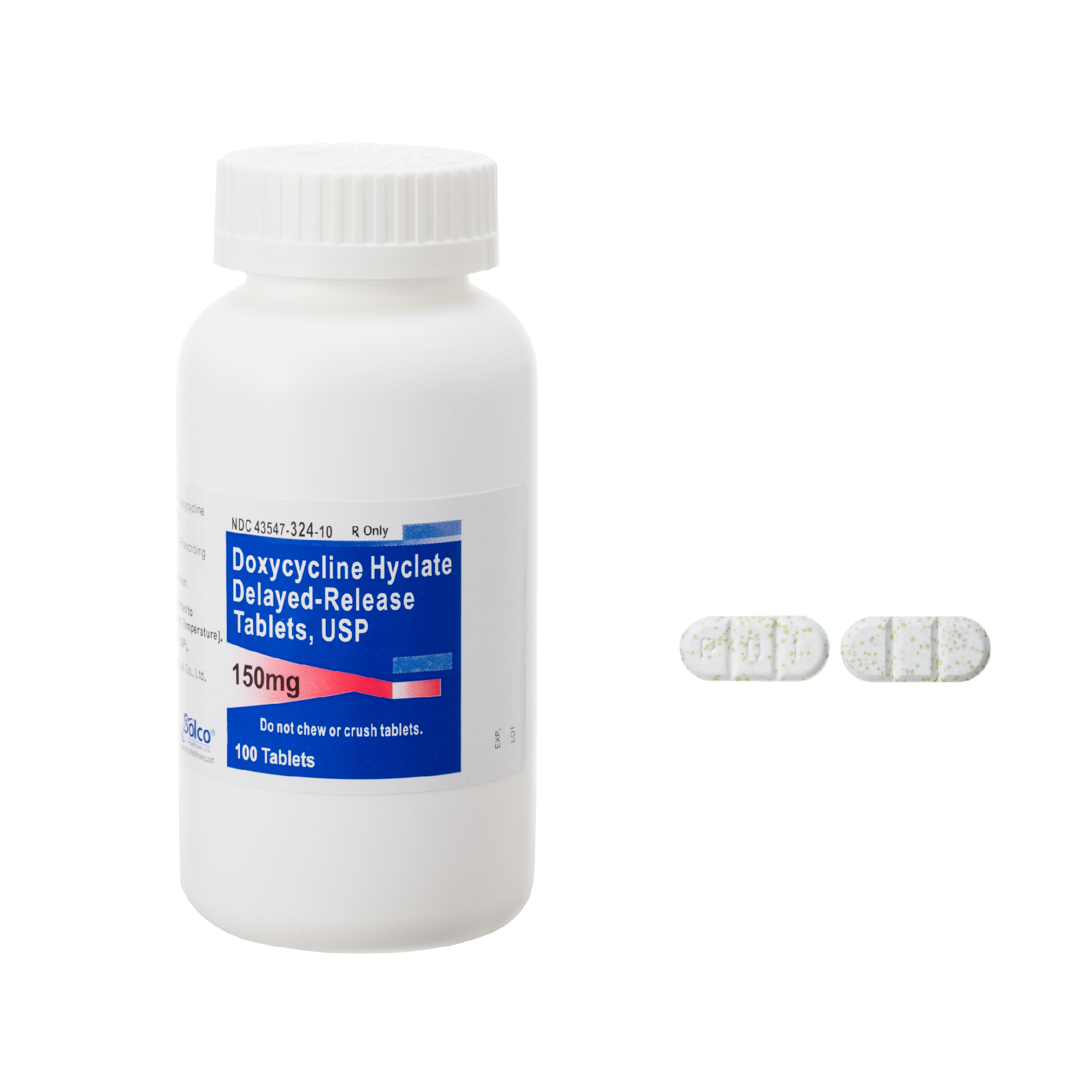
Doxycycline Hyclate is a type of antibiotic that belongs to the class of tetracyclines. It is a broad-spectrum antibiotic, which means it is effective against a wide range of bacteria, including both Gram-positive and Gram-negative bacteria. Doxycycline Hyclate is commonly used to treat various infections, including respiratory tract infections, skin infections, and urinary tract infections.
Mechanism of Action
Doxycycline Hyclate works by inhibiting the growth and multiplication of bacteria. It does this by binding to the bacterial cell’s ribosomes, which are responsible for protein synthesis. By binding to the ribosomes, Doxycycline Hyclate prevents the bacteria from producing essential proteins, which ultimately leads to the death of the bacterial cell.
Uses of Doxycycline Hyclate
Doxycycline Hyclate is used to treat a variety of infections, including:
- Respiratory tract infections, such as pneumonia, bronchitis, and sinusitis
- Skin infections, such as acne, rosacea, and cellulitis
- Urinary tract infections, such as cystitis and pyelonephritis
- Sexually transmitted infections, such as chlamydia and gonorrhea
- Lyme disease and other tick-borne illnesses
- Malaria and other parasitic infections
Side Effects of Doxycycline Hyclate
Like all antibiotics, Doxycycline Hyclate can cause side effects, including:
- Gastrointestinal upset, such as nausea, vomiting, and diarrhea
- Headache and dizziness
- Rash and itching
- Photosensitivity, which can cause sunburn-like reactions
- Increased risk of yeast infections, such as thrush and vaginal candidiasis
Dosage and Administration
The dosage and administration of Doxycycline Hyclate vary depending on the specific infection being treated and the patient’s age, weight, and medical history. The typical dosage range for adults is 100-200 mg per day, taken in divided doses. Doxycycline Hyclate can be taken orally, either with or without food, and should be taken with a full glass of water.
Interactions with Other Medications
Doxycycline Hyclate can interact with other medications, including:
- Antacids and other medications that contain aluminum, magnesium, or calcium, which can decrease the absorption of Doxycycline Hyclate
- Iron supplements, which can also decrease the absorption of Doxycycline Hyclate
- Blood thinners, such as warfarin, which can increase the risk of bleeding
- Medications that can increase the risk of photosensitivity, such as retinoids and sulfonamides
Precautions and Warnings
Doxycycline Hyclate can cause serious side effects, including:
- Allergic reactions, such as anaphylaxis and Stevens-Johnson syndrome
- Increased risk of Clostridioides difficile (C. diff) infection
- Increased risk of fungal infections, such as candidiasis
- Increased risk of sunburn and skin cancer
Frequently Asked Questions
What is the typical dosage of Doxycycline Hyclate for adults?
+The typical dosage range for adults is 100-200 mg per day, taken in divided doses.
Can Doxycycline Hyclate be used to treat viral infections?
+No, Doxycycline Hyclate is only effective against bacterial infections and will not work against viral infections.
Can I take Doxycycline Hyclate with milk or other dairy products?
+No, it is recommended to avoid taking Doxycycline Hyclate with milk or other dairy products, as they can decrease the absorption of the medication.
Can I take Doxycycline Hyclate if I am pregnant or breastfeeding?
+It is recommended to consult with a healthcare provider before taking Doxycycline Hyclate if you are pregnant or breastfeeding, as it may pose a risk to the fetus or baby.
How long does it take for Doxycycline Hyclate to start working?
+Doxycycline Hyclate can start working within a few days of treatment, but it may take up to a week or longer to fully clear the infection.
Conclusion
Doxycycline Hyclate is a broad-spectrum antibiotic that is effective against a wide range of bacterial infections. It is commonly used to treat respiratory tract infections, skin infections, and urinary tract infections. While it can cause side effects, Doxycycline Hyclate is generally well-tolerated and can be an effective treatment option for many patients. However, it is essential to follow the recommended dosage and administration guidelines and to consult with a healthcare provider before taking Doxycycline Hyclate, especially if you have any underlying medical conditions or are taking other medications.