Emotional Freedom Therapy, also known as Emotional Freedom Techniques (EFT), is a form of alternative therapy that aims to reduce stress, anxiety, and other negative emotions by tapping into the body’s energy system. Developed in the 1990s by Gary Craig, EFT is based on the premise that the body has an energy system that can be influenced by thoughts, emotions, and physical sensations. By tapping specific points on the body, individuals can allegedly release blockages in this energy system, leading to emotional freedom and relief from various psychological and physical ailments.
The core principle of EFT is that the body’s energy system, also known as the meridian system, is connected to the brain and can be influenced by thoughts and emotions. When an individual experiences a traumatic event or negative emotion, it can create a blockage in the energy system, leading to physical and emotional discomfort. EFT practitioners believe that by tapping specific points on the body, individuals can release these blockages, restoring balance to the energy system and promoting emotional well-being.
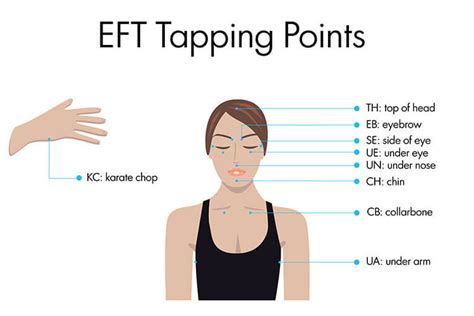
The EFT tapping sequence typically involves tapping specific points on the face, upper torso, and hands, while focusing on a specific issue or emotion. The tapping sequence is usually performed in a specific order, starting with the karate chop point on the side of the hand, followed by the top of the head, eyebrow point, side of the eye, under the eye, under the nose, chin point, collarbone point, and under the arm. As the individual taps each point, they repeat a phrase or mantra that acknowledges the issue or emotion, such as “Even though I feel anxious, I deeply and completely accept myself.”
EFT has been used to treat a wide range of conditions, including anxiety, depression, post-traumatic stress disorder (PTSD), phobias, and chronic pain. While some individuals report significant benefits from EFT, the scientific community has raised concerns about the lack of empirical evidence supporting its effectiveness. Many studies have methodological flaws, and the results are often inconsistent.
Despite the controversy surrounding EFT, many people have reported positive outcomes, including reduced stress and anxiety, improved mood, and enhanced overall well-being. EFT has also been used in conjunction with other therapies, such as cognitive-behavioral therapy (CBT) and mindfulness-based stress reduction (MBSR), to enhance treatment outcomes.
Some of the potential benefits of EFT include:
- Reduced stress and anxiety
- Improved mood and emotional well-being
- Enhanced self-esteem and confidence
- Improved sleep quality
- Reduced chronic pain and inflammation
- Improved relationships and communication skills
However, EFT is not without its limitations and potential drawbacks. Some of the concerns surrounding EFT include:
- Lack of empirical evidence supporting its effectiveness
- Risk of misdiagnosis or delayed treatment of underlying medical conditions
- Potential for EFT to be used as a replacement for evidence-based treatments
- Limited understanding of the underlying mechanisms and energy system
In conclusion, Emotional Freedom Therapy is a form of alternative therapy that aims to reduce stress, anxiety, and other negative emotions by tapping into the body’s energy system. While some individuals report positive outcomes, the scientific community has raised concerns about the lack of empirical evidence supporting its effectiveness. As with any therapy, it is essential to approach EFT with a critical and open-minded perspective, recognizing both its potential benefits and limitations.
How EFT Works
EFT is based on the premise that the body’s energy system can be influenced by thoughts, emotions, and physical sensations. The therapy involves tapping specific points on the body to release blockages in the energy system, restoring balance and promoting emotional well-being. The EFT tapping sequence typically involves:
- Identifying the issue: The individual identifies the specific issue or emotion they want to address, such as anxiety or fear.
- Creating a setup statement: The individual creates a setup statement that acknowledges the issue, such as “Even though I feel anxious, I deeply and completely accept myself.”
- Tapping the points: The individual taps specific points on the body, typically in a specific order, while repeating the setup statement.
- Repeating the sequence: The individual repeats the tapping sequence several times, focusing on the issue or emotion.
EFT Tapping Points
The EFT tapping points are located on the face, upper torso, and hands. The typical tapping sequence includes:
- Karate chop point: The side of the hand, opposite the thumb.
- Top of the head: The center of the head, just above the hairline.
- Eyebrow point: The inner edge of the eyebrow, closest to the nose.
- Side of the eye: The outer edge of the eye, closest to the ear.
- Under the eye: The bone under the eye, about an inch below the eye.
- Under the nose: The small area between the nose and the upper lip.
- Chin point: The center of the chin.
- Collarbone point: The area just below the collarbone, about an inch below the neck.
- Under the arm: The area about four inches below the armpit.
What is Emotional Freedom Therapy?
+Emotional Freedom Therapy, also known as Emotional Freedom Techniques (EFT), is a form of alternative therapy that aims to reduce stress, anxiety, and other negative emotions by tapping into the body's energy system.
How does EFT work?
+EFT is based on the premise that the body's energy system can be influenced by thoughts, emotions, and physical sensations. The therapy involves tapping specific points on the body to release blockages in the energy system, restoring balance and promoting emotional well-being.
What are the benefits of EFT?
+Some of the potential benefits of EFT include reduced stress and anxiety, improved mood and emotional well-being, enhanced self-esteem and confidence, improved sleep quality, and reduced chronic pain and inflammation.
In conclusion, Emotional Freedom Therapy is a form of alternative therapy that aims to reduce stress, anxiety, and other negative emotions by tapping into the body’s energy system. While some individuals report positive outcomes, the scientific community has raised concerns about the lack of empirical evidence supporting its effectiveness. As with any therapy, it is essential to approach EFT with a critical and open-minded perspective, recognizing both its potential benefits and limitations.