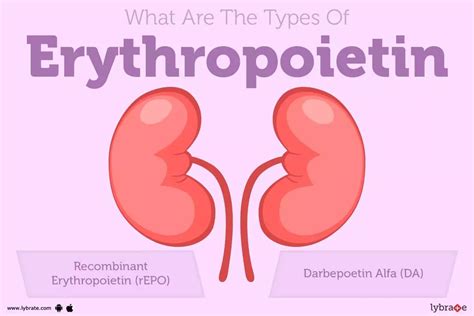
Epo, short for Erythropoietin, is a hormone that plays a vital role in the production of red blood cells in the body. To understand its meaning, let’s delve into its functions, importance, and relevance in various fields, including medicine, sports, and health.
What is Epo, and how does it work?
Epo is a glycoprotein hormone produced by the kidneys in adults and by the liver in fetuses. Its primary function is to stimulate the production of red blood cells in the bone marrow. When the body detects low oxygen levels in the blood, the kidneys release Epo, which then binds to receptors on the surface of red blood cell precursors in the bone marrow. This binding process triggers a cascade of signals that ultimately lead to the production and maturation of red blood cells.
The importance of Epo in the body
Epo is essential for maintaining a healthy balance of red blood cells in the body. Red blood cells carry oxygen from the lungs to the body’s tissues, and a deficiency in these cells can lead to anemia, fatigue, and other health problems. Epo ensures that the body produces enough red blood cells to meet its oxygen demands, which is especially critical in situations such as:
- High-altitude environments, where oxygen levels are lower
- Pregnancy, where the demand for oxygen increases
- Anemia, where red blood cell production is impaired
- Blood loss, where red blood cell production needs to be rapidly increased
Epo in sports and performance enhancement
Epo has gained notoriety in the sports world due to its potential as a performance-enhancing substance. By increasing red blood cell production, athletes can enhance their endurance, speed, and overall performance. However, the use of recombinant human Epo (rhEpo) as a doping agent is banned in most sports, as it can provide an unfair advantage and pose serious health risks, including blood clots, stroke, and heart attacks.
Medical applications of Epo
Recombinant human Epo (rhEpo) is used in medicine to treat various conditions, including:
- Anemia associated with chronic kidney disease
- Anemia caused by chemotherapy or HIV infection
- Blood loss due to surgery or trauma
RhEpo is also used to reduce the need for blood transfusions in patients undergoing surgery or receiving chemotherapy.
Conclusion
In conclusion, Epo is a vital hormone that plays a crucial role in the production of red blood cells in the body. Its importance extends beyond its biological function, as it has significant implications in medicine, sports, and health. Understanding the meaning and functions of Epo can help us appreciate its significance and the potential consequences of its misuse.
Frequently Asked Questions
What are the symptoms of low Epo levels?
+Low Epo levels can cause anemia, fatigue, weakness, pale skin, and shortness of breath. If left untreated, it can lead to more severe health problems, such as heart failure and poor wound healing.
Can Epo be used to treat all types of anemia?
+No, Epo is not effective in treating all types of anemia. It is primarily used to treat anemia caused by chronic kidney disease, chemotherapy, or HIV infection. Other types of anemia, such as iron-deficiency anemia, require different treatments.
Is recombinant human Epo safe?
+Recombinant human Epo (rhEpo) is generally safe when used as prescribed by a doctor. However, it can cause side effects, such as headache, fatigue, and nausea. In rare cases, it can increase the risk of blood clots, stroke, and heart attacks.
In the next section, we will explore the history of Epo discovery and its evolution as a therapeutic agent.
| Date | Event | Description |
|---|---|---|
| 1950s | Epo discovery | Epo was first identified as a factor that stimulates red blood cell production. |
| 1980s | RhEpo development | Recombinant human Epo (rhEpo) was developed as a therapeutic agent. |
| 1990s | Clinical trials | Clinical trials demonstrated the safety and efficacy of rhEpo in treating anemia. |

The development of Epo as a therapeutic agent has revolutionized the treatment of anemia and related disorders. Its discovery and evolution are a testament to the power of scientific research and its potential to improve human health.