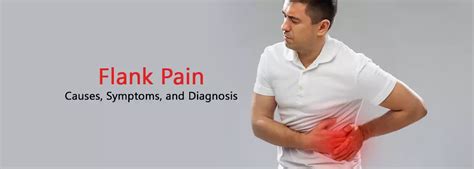
Flank pain, also known as flank discomfort or side pain, refers to the sensation of discomfort, ache, or tenderness experienced in the flank area, which is the region of the body between the ribs and the hip bone. This type of pain can be a symptom of various underlying medical conditions, ranging from mild to severe, and can affect either one or both sides of the body.
The flank area is a complex region, comprising the kidneys, adrenal glands, muscles, bones, and nerves, making it challenging to diagnose the exact cause of flank pain. The pain can be classified into different types, including:
- Acute flank pain: Sudden onset of severe pain, often accompanied by other symptoms such as nausea, vomiting, or fever.
- Chronic flank pain: Persistent or recurring pain that lasts for an extended period, often causing discomfort and affecting daily activities.
- Intermittent flank pain: Pain that comes and goes, with periods of relief in between.
To better understand flank pain, it’s essential to explore the various possible causes, which can be broadly categorized into the following groups:
- Musculoskeletal issues: Strained muscles, overuse injuries, or ergonomic problems can lead to flank pain.
- Urological problems: Kidney stones, urinary tract infections, or kidney disease can cause flank pain, often accompanied by other symptoms such as hematuria (blood in the urine) or dysuria (painful urination).
- Gastrointestinal issues: Constipation, inflammatory bowel disease, or gastrointestinal infections can radiate pain to the flank area.
- Nervous system disorders: Shingles, nerve compression, or radiculopathy can cause flank pain, often accompanied by numbness, tingling, or weakness.
- Cardiovascular problems: Aortic dissection, abdominal aortic aneurysm, or peripheral artery disease can cause flank pain, often accompanied by other symptoms such as chest pain or shortness of breath.
- Respiratory issues: Pneumonia, pleurisy, or pulmonary embolism can cause flank pain, often accompanied by other symptoms such as cough, fever, or difficulty breathing.
- Hormonal imbalances: Menstrual cramps, endometriosis, or polycystic ovary syndrome (PCOS) can cause flank pain in women.
Given the complexity of flank pain, it’s crucial to seek medical attention if you experience any of the following:
- Severe or worsening pain
- Fever, chills, or nausea
- Vomiting or difficulty urinating
- Blood in the urine or stools
- Abdominal tenderness or guarding
- Shortness of breath or chest pain
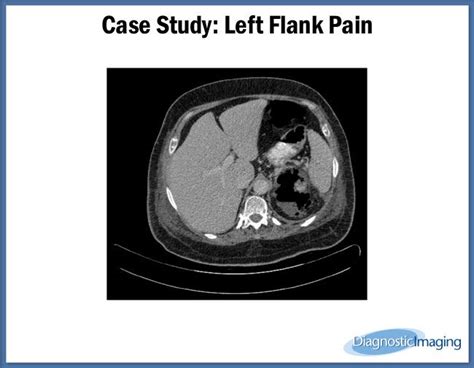
A comprehensive medical evaluation, including a physical examination, laboratory tests, and imaging studies, can help diagnose the underlying cause of flank pain. Treatment options vary depending on the diagnosis and may include:
- Pain management: Medications, physical therapy, or alternative therapies to alleviate pain and discomfort.
- Lifestyle modifications: Changes in diet, exercise, or ergonomics to address underlying factors contributing to flank pain.
- Surgical interventions: Procedures to correct underlying anatomical issues or remove diseased tissues.
In conclusion, flank pain is a complex and multifaceted condition that requires a thorough medical evaluation to determine the underlying cause. By understanding the various possible causes and seeking medical attention, individuals can receive proper diagnosis and treatment, ultimately alleviating their discomfort and improving their quality of life.
What are the common causes of flank pain?
+Flank pain can be caused by a variety of factors, including musculoskeletal issues, urological problems, gastrointestinal issues, nervous system disorders, cardiovascular problems, respiratory issues, and hormonal imbalances.
How is flank pain diagnosed?
+Diagnosis of flank pain involves a comprehensive medical evaluation, including a physical examination, laboratory tests, and imaging studies to determine the underlying cause.
What are the treatment options for flank pain?
+Treatment options for flank pain vary depending on the diagnosis and may include pain management, lifestyle modifications, and surgical interventions.
It's essential to seek medical attention if you experience severe or worsening flank pain, as it can be a symptom of a more serious underlying condition. A thorough medical evaluation can help diagnose the cause and guide appropriate treatment.
Steps to Manage Flank Pain
- Seek medical attention if you experience severe or worsening pain.
- Follow a comprehensive treatment plan to address the underlying cause.
- Make lifestyle modifications to alleviate discomfort and prevent future episodes.
- Monitor your condition and adjust your treatment plan as needed.