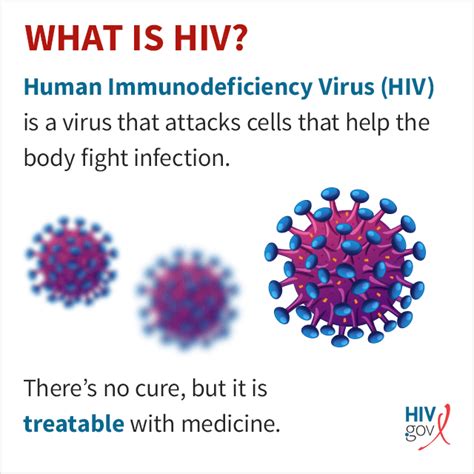
Human Immunodeficiency Virus, commonly referred to as HIV, is a complex and multifaceted medical condition that affects millions of people worldwide. At its core, HIV is a viral infection that targets the body’s immune system, specifically the CD4 cells (T cells), which play a crucial role in helping the immune system fight off infections. When HIV infects these cells, it can weaken the immune system, making it more challenging for the body to defend against opportunistic infections and diseases.
The history of HIV dates back to the early 1980s, when the first cases of a mysterious illness were reported in the United States. Initially, the disease was referred to as Gay-Related Immune Deficiency (GRID), but as more cases emerged in different populations, the name was changed to Acquired Immune Deficiency Syndrome (AIDS). It wasn’t until 1984 that the virus responsible for the disease was identified and named Human Immunodeficiency Virus (HIV).
HIV is primarily spread through bodily fluids, including blood, semen, vaginal fluids, and breast milk. The most common modes of transmission are:
- Unprotected sex: Engaging in vaginal or anal sex without using a condom or other protective measures increases the risk of HIV transmission.
- Sharing needles: Sharing needles or syringes with an infected person can transmit the virus.
- Mother-to-child transmission: HIV-positive mothers can pass the virus to their babies during pregnancy, childbirth, or breastfeeding.
- Blood transfusions: Receiving blood from an infected donor can also spread the virus.
The symptoms of HIV infection can vary depending on the stage of the disease. In the early stages, some people may experience flu-like symptoms, such as fever, fatigue, and swollen lymph nodes. However, many people may not exhibit any noticeable symptoms for years, even decades, after infection.
There are three main stages of HIV infection:
- Acute HIV infection: This stage occurs within 2-4 weeks of exposure to the virus, during which the viral load is extremely high, and the immune system is severely compromised.
- Clinical latency: During this stage, the virus is still active, but the immune system is able to keep it under control, and the person may not exhibit any symptoms.
- AIDS: The final stage of HIV infection, where the immune system is severely weakened, and the person is more susceptible to opportunistic infections and diseases.
While there is no cure for HIV, antiretroviral therapy (ART) has revolutionized the treatment of the disease. ART involves taking a combination of medications that suppress the virus, allowing the immune system to recover and reducing the risk of transmission.
In addition to medical treatment, there are several lifestyle changes and preventive measures that can help manage HIV infection:
- Practicing safe sex: Using condoms or other protective measures during sex can significantly reduce the risk of transmission.
- Getting tested regularly: Regular HIV testing can help identify infection early, when it is more treatable.
- Maintaining a healthy lifestyle: Eating a balanced diet, exercising regularly, and managing stress can help keep the immune system strong.
- Seeking support: Connecting with support groups, counselors, or online resources can provide emotional support and help individuals cope with the challenges of living with HIV.
The impact of HIV on society extends far beyond the medical realm. The disease has significant social, economic, and cultural implications, affecting not only individuals but also families, communities, and entire nations.
In terms of social implications, HIV has been associated with stigma, discrimination, and social isolation. Many people living with HIV face discrimination in their daily lives, from employment and housing to healthcare and social services.
Economically, the burden of HIV is substantial, with significant costs associated with medical treatment, lost productivity, and social support services. In many low- and middle-income countries, HIV has devastated entire economies, exacerbating poverty and inequality.
Culturally, HIV has had a profound impact on communities, particularly in sub-Saharan Africa, where the disease has been most prevalent. The epidemic has disrupted traditional social structures, orphaned millions of children, and undermined cultural norms and values.
Despite the challenges posed by HIV, there are many reasons to be optimistic about the future. Advances in medical treatment, increased awareness and education, and growing global efforts to combat the epidemic have all contributed to a decline in new infections and AIDS-related deaths.
In conclusion, HIV is a complex and multifaceted disease that requires a comprehensive and multifaceted response. By understanding the causes, symptoms, and treatment options, as well as the social, economic, and cultural implications of the disease, we can work towards a future where HIV is no longer a threat to human health and well-being.
What are the symptoms of HIV infection?
+The symptoms of HIV infection can vary depending on the stage of the disease. In the early stages, some people may experience flu-like symptoms, such as fever, fatigue, and swollen lymph nodes. However, many people may not exhibit any noticeable symptoms for years, even decades, after infection.
How is HIV transmitted?
+HIV is primarily spread through bodily fluids, including blood, semen, vaginal fluids, and breast milk. The most common modes of transmission are unprotected sex, sharing needles, mother-to-child transmission, and blood transfusions.
Is there a cure for HIV?
+While there is no cure for HIV, antiretroviral therapy (ART) has revolutionized the treatment of the disease. ART involves taking a combination of medications that suppress the virus, allowing the immune system to recover and reducing the risk of transmission.