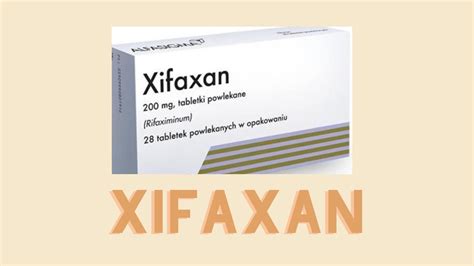
The gastrointestinal system is a complex and delicate balance of microbes, enzymes, and physiological processes. When this balance is disrupted, it can lead to a variety of symptoms and conditions, ranging from mild discomfort to severe disease. One medication that has been developed to address certain gastrointestinal issues is Xifaxan (rifaximin), an antibiotic that works locally in the gut to minimize systemic absorption. But what is Xifaxan used for, and how does it fit into the treatment landscape of gastrointestinal disorders?
Introduction to Xifaxan
Xifaxan is a rifamycin antibiotic that is specifically designed to act on the gut without being significantly absorbed into the bloodstream. This unique property makes it an attractive option for treating conditions where systemic antibiotics might be too harsh or unnecessary. The medication comes in tablet form and is taken orally, with the majority of its action occurring in the gastrointestinal tract.
Primary Uses of Xifaxan
Xifaxan has been approved by the FDA for several specific uses, reflecting its versatility and efficacy in treating various gastrointestinal conditions:
Traveler’s Diarrhea (TD): Xifaxan is indicated for the treatment of traveler’s diarrhea caused by non-invasive strains of Escherichia coli (E. coli) in patients 12 years of age and older. It’s particularly useful for individuals traveling to areas where bacterial diarrhea is common.
Hepatic Encephalopathy (HE): This condition occurs when the liver is unable to adequately remove toxins from the blood, leading to brain dysfunction. Xifaxan is used to reduce the recurrence of episodes of hepatic encephalopathy in adult patients.
Irritable Bowel Syndrome with Diarrhea (IBS-D): Xifaxan has been shown to be effective in treating IBS-D in adults, helping to reduce symptoms of abdominal pain and diarrhea.
How Xifaxan Works
The mechanism of action of Xifaxan involves the inhibition of bacterial RNA synthesis, which leads to the death of the bacteria. Because it acts locally in the gut and has minimal systemic absorption, Xifaxan can reduce the risk of disrupting the body’s natural flora or causing systemic side effects commonly associated with antibiotics.
Dosage and Administration
The dosage of Xifaxan varies depending on the condition being treated: - For traveler’s diarrhea, the typical dose is 1 tablet (200 mg) taken 3 times a day for 3 days. - For hepatic encephalopathy, the dose is 1 tablet (550 mg) taken 2 times a day. - For IBS-D, the recommended dose is 1 tablet (550 mg) taken 3 times a day for 14 days.
Side Effects and Precautions
While generally well-tolerated, Xifaxan can cause side effects, including nausea, dizziness, and increased liver enzymes. It’s essential to follow the prescribed dosage and consult with a healthcare provider if any side effects occur. Also, Xifaxan should not be used in patients with severe hepatic impairment or in those who are hypersensitive to rifaximin or any component of the formulation.
Comparison with Other Treatments
Xifaxan offers a unique profile compared to other antibiotics due to its local action in the gut and minimal systemic effects. This makes it a preferable choice for certain conditions where reducing the risk of antibiotic resistance or systemic side effects is a priority. For traveler’s diarrhea, it provides an effective treatment without the need for systemic antibiotics. In the case of hepatic encephalopathy, Xifaxan reduces the recurrence of episodes, offering a maintenance treatment option for patients.
Conclusion
Xifaxan represents a significant advancement in the treatment of gastrointestinal disorders due to its targeted action, efficacy, and safety profile. Its use in traveler’s diarrhea, hepatic encephalopathy, and IBS-D underscores its versatility and potential to improve the quality of life for patients suffering from these conditions. As with any medication, it’s essential to use Xifaxan under the guidance of a healthcare provider to ensure its safe and effective use.
Frequently Asked Questions
What is the primary mechanism of action of Xifaxan?
+Xifaxan works by inhibiting bacterial RNA synthesis, leading to the death of bacteria. This action is primarily localized in the gastrointestinal tract, minimizing systemic absorption.
Can Xifaxan be used for conditions other than those approved by the FDA?
+While Xifaxan's approved uses are for traveler's diarrhea, hepatic encephalopathy, and IBS-D, healthcare providers may prescribe it off-label for other conditions based on clinical judgment and the patient's specific needs. However, such use should be approached with caution and under close medical supervision.
How does Xifaxan's localized action in the gut benefit patients?
+Xifaxan's localized action reduces the risk of systemic side effects and the development of antibiotic resistance. This makes it a safer option for long-term use in conditions like hepatic encephalopathy and provides an effective treatment for gastrointestinal infections without exposing the patient to the risks associated with systemic antibiotics.
Can Xifaxan be used in pediatric patients?
+Xifaxan is approved for use in patients 12 years of age and older for traveler's diarrhea, and its use in younger patients would be considered off-label. For other conditions, the decision to use Xifaxan in pediatric patients should be made on a case-by-case basis, considering the potential benefits and risks under the guidance of a healthcare provider.
How does Xifaxan interact with other medications?
+Xifaxan can interact with other medications, including P-glycoprotein inhibitors. It's essential to inform your healthcare provider about all the medications you are taking before starting Xifaxan to minimize potential drug interactions.
Can Xifaxan be used during pregnancy or breastfeeding?
+The safety of Xifaxan during pregnancy or breastfeeding has not been extensively studied. As with any medication, its use during these periods should be approached with caution and under the guidance of a healthcare provider, weighing the potential benefits against the risks.
By understanding what Xifaxan is used for and how it works, patients and healthcare providers can make informed decisions about its use in treating gastrointestinal conditions, offering a promising treatment option for those in need.