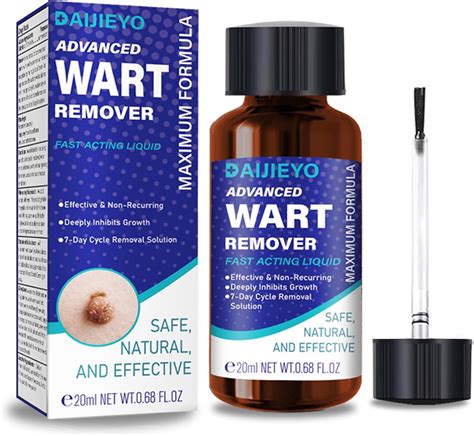
Warts are a common skin issue that can be both unsightly and uncomfortable. They are caused by the human papillomavirus (HPV) and can appear almost anywhere on the body, though they are most commonly found on the hands and feet. Removing warts can be a challenge, but there are several effective methods, including the use of liquid solutions. When considering a liquid solution for wart removal, it’s crucial to understand the different types available and their modes of action.
Cryotherapy Liquids
Cryotherapy is a popular method for removing warts. It involves applying a liquid nitrogen solution to the wart, freezing it, and eventually, the frozen wart falls off within a week or two. While this method is typically performed in a doctor’s office, there are over-the-counter (OTC) products available that mimic this process using dimethyl ether and propane. However, these OTC versions may not be as effective as professional treatments and should be used with caution to avoid damaging the surrounding skin.
Salicylic Acid Liquids
Salicylic acid is another effective ingredient used in liquid solutions for wart removal. It works by dissolving the keratin protein that makes up the wart, causing it to peel off over time. Solutions containing salicylic acid can be applied directly to the wart and are available both by prescription and over-the-counter. Concentrations can range from about 17% to 27% salicylic acid in the formulations designed for at-home use.
Cantharidin
Cantharidin is a blistering agent that is sometimes used for wart removal. It is applied to the wart in a doctor’s office and covered with a bandage. About a week later, the blister that forms is cut open, and the dead wart tissue is scraped away. This method can be painful and may require multiple treatments.
Duct Tape Occlusion
Though not a liquid, the duct tape occlusion method is sometimes mentioned alongside liquid solutions due to its non-traditional approach. It involves covering the wart with duct tape for an extended period (usually six to seven days), then removing the tape, soaking the area in water, and using a pumice stone or nail file to gently debride the wart area. This process can be repeated for up to two months. The exact mechanism of how duct tape helps remove warts is not fully understood, but it’s believed to irritate the wart, stimulating the immune system to attack the virus.
Essential Oils
Some essential oils, such as tea tree oil, have been suggested for their antiviral properties that might help in reducing the appearance of warts. However, their effectiveness can vary widely, and they might not be as fast-acting as other treatments. These oils can be diluted with a carrier oil and applied directly to the wart, but patience is required as results can take time.
Choosing the Right Liquid Solution
When selecting a liquid solution for wart removal, it’s essential to consider several factors, including the location and size of the wart, the individual’s health status, and any previous treatments. For example, salicylic acid solutions might be appropriate for smaller warts on the hands or feet, while cryotherapy might be more effective for larger warts or those in more sensitive areas. Additionally, individuals with certain health conditions, such as diabetes, may need to avoid certain treatments.
Safety and Precautions
Before applying any liquid solution for wart removal, it’s crucial to follow the instructions carefully. Here are some general precautions to keep in mind:
- Read and Follow Instructions: Always read the label and follow the instructions provided with the product.
- Patch Test: If you’re using a new product, perform a patch test on a small area of skin to check for any adverse reactions.
- Avoid Sensitive Areas: Be cautious when applying treatments near sensitive areas, such as the face, neck, or genital areas.
- Protect Surrounding Skin: Use petroleum jelly or a similar barrier to protect the skin around the wart from the treatment.
Professional Consultation
While many wart removal methods can be performed at home, consulting a healthcare professional is often the best first step. A doctor can provide a proper diagnosis, discuss the most appropriate treatment options based on the individual’s specific situation, and offer guidance on how to prevent future outbreaks. This is particularly important for individuals with weakened immune systems or those who have tried various treatments without success.
Preventing Warts
Prevention is key when it comes to warts. Here are some strategies to reduce the risk of getting warts:
- Practice Good Hygiene: Wash your hands regularly, especially after touching someone who has warts.
- Avoid Sharing Personal Items: Refrain from sharing personal care items, such as towels, razors, or nail clippers.
- Wear Footwear: In public areas like swimming pools or locker rooms, wear footwear to prevent direct contact with potentially contaminated surfaces.
- Keep Your Skin Healthy: Maintaining healthy, moisturized skin can help prevent cracks that the virus might exploit.
By understanding the different liquid solutions available for wart removal, individuals can make informed decisions about their treatment options. Whether opting for a salicylic acid solution, cryotherapy, or another method, it’s essential to follow safety precautions, consider seeking professional advice, and take steps to prevent future outbreaks.
What is the most effective liquid solution for removing warts?
+The most effective liquid solution can vary depending on the individual and the specific type of wart. However, salicylic acid and cryotherapy solutions are commonly used and can be effective for many people.
How long does it take for a liquid wart removal solution to work?
+The time it takes for a liquid wart removal solution to work can vary. Some solutions, like salicylic acid, may take several weeks to a few months to completely remove a wart, while others, like cryotherapy, can show results within a couple of weeks.
Are there any natural or home remedies for removing warts?
+Yes, there are several natural and home remedies that people use to try to remove warts, such as applying tea tree oil, duct tape, or castor oil. However, the effectiveness of these methods can vary, and some may not be suitable for everyone.