When it comes to choosing a health insurance plan, two of the most common options are Preferred Provider Organization (PPO) and Health Maintenance Organization (HMO) plans. Each has its own set of benefits and drawbacks, and which one is better for you depends on your individual needs and circumstances. In this comprehensive guide, we’ll delve into the details of both PPO and HMO plans, exploring their differences, advantages, and disadvantages, to help you make an informed decision.
Understanding PPO Plans
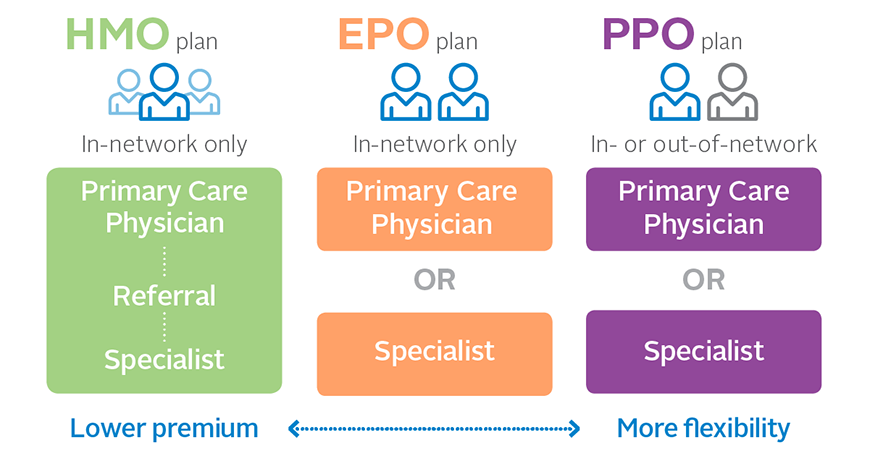
A PPO plan is a type of health insurance that allows you to see any healthcare provider, both in-network and out-of-network. You don’t need a primary care physician (PCP) referral to see a specialist, and you have the freedom to choose your own doctors and hospitals. PPO plans typically have a larger network of providers, which can be beneficial if you have a preferred doctor or hospital.
Understanding HMO Plans
An HMO plan, on the other hand, is a type of health insurance that requires you to receive medical care from a specific network of providers. You’ll typically need to choose a primary care physician (PCP) who will coordinate your care and provide referrals to specialists within the network. HMO plans often have lower premiums compared to PPO plans, but they can be more restrictive in terms of provider choice.
Key Differences Between PPO and HMO Plans
When deciding between a PPO and an HMO plan, there are several key differences to consider:
- Network: PPO plans have a larger network of providers, while HMO plans have a more limited network.
- Referrals: HMO plans often require a referral from your PCP to see a specialist, while PPO plans do not.
- Cost: HMO plans tend to have lower premiums, but PPO plans may offer more flexibility and convenience.
- Out-of-network care: PPO plans typically cover out-of-network care, although at a higher cost, while HMO plans usually do not cover out-of-network care except in emergency situations.
Comparing PPO and HMO Plans: A Side-by-Side Analysis
| Feature | PPO Plans | HMO Plans |
|---|---|---|
| Network | Larger network of providers | Smaller network of providers |
| Referrals | No referral needed to see a specialist | Referral often required to see a specialist |
| Cost | Higher premiums | Lower premiums |
| Out-of-network care | Covers out-of-network care, but at a higher cost | Typically does not cover out-of-network care |

Which Plan is Right for You?
Ultimately, the choice between a PPO and an HMO plan depends on your individual circumstances and priorities. If you value flexibility and convenience, a PPO plan might be the better choice. However, if you’re looking for a more affordable option and are willing to work within a specific network of providers, an HMO plan could be the way to go.
FAQs
What is the main difference between a PPO and an HMO plan?
+The main difference between a PPO and an HMO plan is the level of flexibility and choice. PPO plans offer more flexibility and a larger network of providers, while HMO plans are more restrictive and require you to receive care from a specific network of providers.
Do PPO plans cover out-of-network care?
+Yes, PPO plans typically cover out-of-network care, although at a higher cost. HMO plans, on the other hand, usually do not cover out-of-network care except in emergency situations.
Which plan is more affordable?
+HMO plans tend to have lower premiums compared to PPO plans. However, it's essential to consider other factors, such as out-of-pocket costs and network limitations, when choosing a plan.
In conclusion, both PPO and HMO plans have their advantages and disadvantages. By understanding the key differences and considering your individual needs and priorities, you can make an informed decision and choose the plan that best suits your healthcare needs. Whether you prefer the flexibility of a PPO plan or the affordability of an HMO plan, it’s crucial to weigh your options carefully and select a plan that provides the right balance of cost, coverage, and convenience.