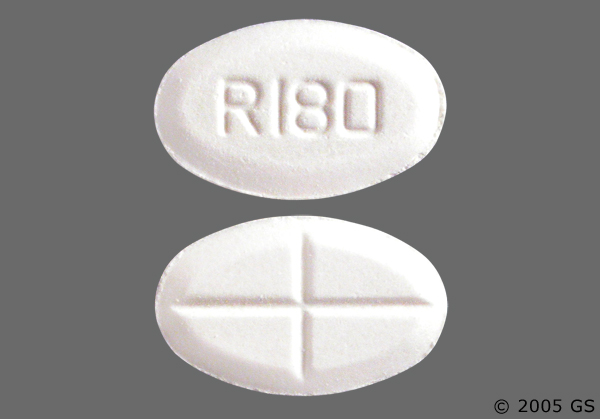
Tizanidine is a medication that is primarily used to treat muscle spasms caused by conditions such as multiple sclerosis, spinal cord injuries, and strokes. It belongs to a class of medications known as alpha-2 adrenergic agonists, which work by stimulating certain receptors in the brain and spinal cord to produce a relaxing effect on the muscles.
The medication is often prescribed to help relieve symptoms such as stiffness, clonus (involuntary muscle contractions), and spasticity (abnormal muscle tightness) that can interfere with daily activities, sleep, and overall quality of life. By reducing muscle tone and relieving spasms, tizanidine can help improve mobility, reduce pain and discomfort, and enhance the patient’s ability to perform everyday tasks.
In addition to its primary use in managing muscle spasms, tizanidine may also be used off-label for other purposes, such as treating headaches, including migraines and tension headaches, and certain types of chronic pain, like fibromyalgia. However, these uses are not FDA-approved, and the medication’s efficacy and safety for these conditions may vary.
How Tizanidine Works
Tizanidine works by binding to alpha-2 adrenergic receptors in the brain and spinal cord, which are involved in the regulation of muscle tone. When these receptors are stimulated, they inhibit the release of certain neurotransmitters that excite muscles, leading to a decrease in muscle spasms and tone. This mechanism of action allows tizanidine to provide relief from spasms without significantly affecting muscle strength, making it a valuable option for patients with conditions characterized by excessive muscle tightness.
Important Considerations
While tizanidine can be an effective treatment for muscle spasms, it is essential to use the medication under the guidance of a healthcare provider. Tizanidine can cause side effects, some of which can be serious. Common side effects include drowsiness, dizziness, and nausea, while less common but more severe side effects can include hallucinations, liver damage, and a sudden drop in blood pressure.
Furthermore, tizanidine can interact with other medications, including certain antibiotics, fluvoxamine (an antidepressant), and ciprofloxacin (an antibiotic), which can increase the risk of side effects. Patients should inform their healthcare provider about all medications they are taking before starting tizanidine.
Usage and Dosage
The dosage of tizanidine is usually titrated (adjusted) based on the patient’s response and tolerance. The medication is typically started at a low dose and gradually increased until the desired effect is achieved or side effects become limiting. Tizanidine is available in tablet form and is usually taken every 6 to 8 hours as needed. It is crucial to follow the prescribed dosage and not to exceed the maximum recommended daily dose to minimize the risk of adverse effects.
Conclusion
Tizanidine is a valuable medication for the management of muscle spasms associated with various neurological conditions. Its ability to reduce muscle tone and relieve spasms without significantly impacting muscle strength makes it a preferred option for many patients. However, as with any medication, it is essential to use tizanidine under medical supervision, be aware of its potential side effects, and follow the prescribed dosage regimen to ensure safe and effective treatment.
Frequently Asked Questions
What is the primary use of tizanidine?
+Tizanidine is primarily used to treat muscle spasms caused by conditions such as multiple sclerosis, spinal cord injuries, and strokes.
How does tizanidine work?
+Tizanidine works by stimulating alpha-2 adrenergic receptors in the brain and spinal cord, leading to a decrease in muscle spasms and tone.
What are the common side effects of tizanidine?
+Can tizanidine be used for conditions other than muscle spasms?
+Yes, tizanidine may be used off-label for treating headaches, including migraines and tension headaches, and certain types of chronic pain, like fibromyalgia.
How should tizanidine be taken?
+Tizanidine is usually taken every 6 to 8 hours as needed, with the dosage adjusted based on the patient's response and tolerance.
In conclusion, tizanidine is a valuable treatment option for managing muscle spasms, offering relief and improving the quality of life for many patients. By understanding its mechanism of action, usage, and potential side effects, individuals can make informed decisions about their treatment plan under the guidance of a healthcare provider.