Very-Low-Density Lipoprotein (VLDL) cholesterol is one of the five major groups of lipoproteins that enable lipids like cholesterol to be transported within the bloodstream. VLDL is produced in the liver and is responsible for transporting endogenous triglycerides, cholesterol, and other lipids from the liver to various tissues in the body.
The VLDL particle is composed of triglycerides (approximately 55-65%), phospholipids, cholesterol, and proteins (apoproteins). As VLDL travels through the bloodstream, it comes into contact with lipoprotein lipase, an enzyme that breaks down the triglycerides in VLDL into free fatty acids and glycerol. This process reduces the size of the VLDL particle, transforming it into an intermediate-density lipoprotein (IDL) and eventually into a low-density lipoprotein (LDL) particle.
LDL, often referred to as “bad cholesterol,” is then taken up by the liver or by peripheral tissues, where it can contribute to the development of atherosclerotic plaques if present in excess. High levels of VLDL cholesterol are associated with an increased risk of cardiovascular diseases, as they can lead to elevated levels of LDL cholesterol.
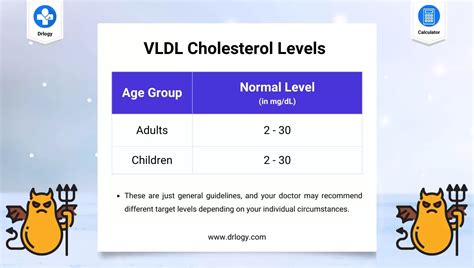
The normal range for VLDL cholesterol is typically considered to be between 5 and 40 mg/dL, though optimal levels are generally below 30 mg/dL. Lifestyle modifications and, if necessary, medication can help manage high VLDL levels. These may include dietary changes, increased physical activity, weight loss, and the use of statins or other lipid-lowering drugs.
Understanding VLDL cholesterol and its role in lipid metabolism is essential for managing cardiovascular health. It’s part of a broader approach to assessing an individual’s risk of heart disease, which also includes evaluating LDL and HDL (high-density lipoprotein) cholesterol levels, triglycerides, and other risk factors.
Here are some key points to consider about VLDL cholesterol:
- Production and Function: VLDL is produced by the liver and transports endogenous triglycerides, cholesterol, and other lipids to various tissues.
- Composition: VLDL particles are primarily composed of triglycerides, with lesser amounts of phospholipids, cholesterol, and proteins.
- Metabolism: VLDL is metabolized into IDL and then LDL through the action of lipoprotein lipase.
- Health Implications: Elevated VLDL levels can contribute to high LDL cholesterol and increase the risk of cardiovascular diseases.
- Normal Range: Typically between 5 and 40 mg/dL, with levels below 30 mg/dL considered optimal.
- Management: Lifestyle modifications and medication can help manage high VLDL levels, including dietary changes, increased physical activity, weight loss, and the use of lipid-lowering drugs.
For individuals concerned about their VLDL cholesterol levels, consulting a healthcare provider is the first step. They can assess overall cardiovascular risk, provide guidance on lifestyle changes, and, if necessary, prescribe medication to manage cholesterol levels and reduce the risk of heart disease.
Calculating VLDL Cholesterol
VLDL cholesterol can be estimated by dividing the triglyceride level by 5. This method provides a simplified way to assess VLDL levels when a direct measurement is not available. However, it’s essential to note that this calculation is an approximation and may not accurately reflect the individual’s VLDL cholesterol level, especially in cases of abnormal lipid profiles.
The formula is as follows: - VLDL cholesterol = Triglycerides / 5
For example, if an individual’s triglyceride level is 150 mg/dL, the estimated VLDL cholesterol level would be: - VLDL cholesterol = 150 mg/dL / 5 = 30 mg/dL
This calculation should be used as a rough guide and interpreted in the context of overall lipid profiles and cardiovascular risk assessment.
Step 1: Obtain Triglyceride Level
Get the individual's triglyceride level through a blood test.
Step 2: Apply the Formula
Divide the triglyceride level by 5 to estimate the VLDL cholesterol level.
Step 3: Interpret the Result
Compare the estimated VLDL level to the normal range and consider it within the context of overall health and lipid profiles.
Lifestyle Modifications for Managing VLDL Cholesterol
Lifestyle changes play a critical role in managing VLDL cholesterol levels. These modifications not only help lower VLDL and LDL cholesterol but also contribute to overall health and well-being.
Dietary Changes: Focus on a diet low in saturated fats, trans fats, and cholesterol. Increase consumption of fruits, vegetables, whole grains, and lean proteins. Foods high in soluble fiber, such as oats, barley, fruits, and vegetables, can help lower LDL cholesterol.
Weight Management: Maintaining a healthy weight can help lower triglycerides and VLDL cholesterol. Losing weight, if needed, can also improve overall lipid profiles.
Physical Activity: Regular physical activity can help raise HDL (good) cholesterol and lower triglycerides and VLDL cholesterol. Aim for at least 150 minutes of moderate-intensity aerobic activity, or 75 minutes of vigorous-intensity aerobic activity, or a combination of both, per week.
Smoking Cessation: Quitting smoking can significantly reduce the risk of heart disease. Smoking damages the inner lining of blood vessels, making them more susceptible to the accumulation of cholesterol and the formation of plaques.
Limit Alcohol: Excessive alcohol consumption can raise triglycerides and VLDL levels. Limit alcohol intake to moderate levels, defined as up to one drink a day for women and up to two drinks a day for men.
Implementing these lifestyle modifications requires commitment but can significantly impact VLDL cholesterol levels and overall cardiovascular health.
Pros of Lifestyle Modifications
- Low cost and accessibility
- Improvement in overall health and well-being
- Reduced risk of cardiovascular diseases
Cons of Lifestyle Modifications
- Requires long-term commitment and discipline
- May not be sufficient to manage VLDL levels in all individuals, potentially requiring additional medical intervention
Conclusion
Managing VLDL cholesterol is a crucial aspect of maintaining cardiovascular health. Through a combination of lifestyle modifications and, when necessary, medical intervention, individuals can lower their VLDL levels, reduce their risk of heart disease, and improve their overall well-being. Understanding the role of VLDL in lipid metabolism and its impact on health can empower individuals to take proactive steps towards a healthier lifestyle.
What is the primary function of VLDL cholesterol in the body?
+VLDL cholesterol is primarily responsible for transporting endogenous triglycerides, cholesterol, and other lipids from the liver to various tissues in the body.
How is VLDL cholesterol typically estimated when a direct measurement is not available?
+VLDL cholesterol can be estimated by dividing the triglyceride level by 5. This method provides a simplified way to assess VLDL levels.
What lifestyle modifications can help manage high VLDL cholesterol levels?
+Lifestyle modifications include adopting a healthy diet, maintaining a healthy weight, engaging in regular physical activity, quitting smoking, and limiting alcohol intake. These changes can help lower VLDL and LDL cholesterol and improve overall cardiovascular health.