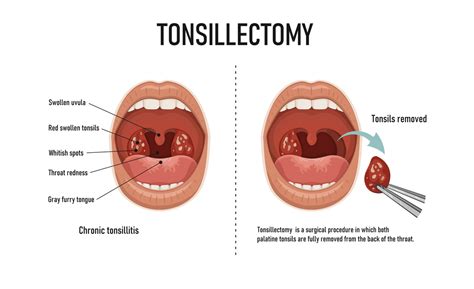
The human body is equipped with two masses of tissue located on either side of the back of the throat, known as tonsils. While tonsils play a role in the immune system, especially during childhood, they can become a source of health issues for some individuals. Tonsillectomy, or the surgical removal of tonsils, is a procedure often performed on children, but there are instances where adults may require this surgery as well. Understanding the reasons behind adult tonsillectomy and what the procedure entails can provide valuable insights for those considering this path.
One of the primary reasons adults may need their tonsils removed is recurrent tonsillitis. This condition is characterized by frequent episodes of tonsil infections, which can be caused by bacteria or viruses. If an adult experiences recurring tonsillitis, defined as seven or more episodes per year in the past year, five or more episodes per year for two consecutive years, or three or more episodes per year for three consecutive years, a tonsillectomy might be recommended. These recurrent infections can lead to significant discomfort, missed work or school days, and a reduced quality of life.
Another reason for tonsil removal in adults is obstructive sleep apnea (OSA) caused by enlarged tonsils. OSA is a condition where an individual experiences pauses in breathing during sleep due to obstruction of the airway. Enlarged tonsils can narrow the airway, contributing to this condition. If other treatments for OSA have been unsuccessful and enlarged tonsils are deemed a contributing factor, a tonsillectomy may be considered as part of the treatment plan.
Adults with tonsil stones, also known as tonsilloliths, might also be candidates for tonsillectomy. Tonsil stones are hard, white or yellowish deposits that form on the surface of the tonsils. They can cause bad breath, sore throats, and difficulty swallowing. While less severe cases can be managed with conservative treatments, persistent and severe cases might necessitate surgical removal of the tonsils.
Furthermore, a tonsillectomy is sometimes performed in cases of tonsil cancer. Although rare, cancer of the tonsils is a serious condition that may require surgical intervention as part of a comprehensive treatment plan, which could also include radiation therapy and chemotherapy.
The decision to undergo a tonsillectomy should be made in consultation with an ear, nose, and throat (ENT) specialist or an otolaryngologist. These medical professionals can evaluate an individual’s specific situation and provide guidance on whether surgical removal of the tonsils is the best course of action. The process typically begins with a thorough medical examination and review of the patient’s medical history. Diagnostic tests, such as throat cultures or imaging tests, may be conducted to determine the cause of symptoms and to rule out other conditions.
Once the decision to proceed with surgery is made, patients should be prepared for the procedure and the recovery period that follows. Tonsillectomy is usually performed under general anesthesia, meaning the patient will be asleep during the surgery. The procedure can be performed using various techniques, including traditional dissection and electrocautery, which involves the use of electrical energy to remove the tonsils, or more modern methods like laser tonsillectomy or radiofrequency ablation.
The recovery from a tonsillectomy typically takes about one to two weeks, during which time patients may experience pain in the throat, ears, and jaw, as well as difficulty swallowing. It’s crucial to follow the post-operative instructions provided by the healthcare team to ensure a smooth and safe recovery. This includes adhering to a diet of soft foods, staying hydrated, and avoiding strenuous activities.
In conclusion, while tonsillectomy is more commonly associated with children, there are compelling reasons why adults may need to undergo this procedure. Whether due to recurrent tonsillitis, obstructive sleep apnea, tonsil stones, or tonsil cancer, the removal of tonsils can significantly improve an individual’s quality of life. By understanding the indications for tonsillectomy in adults and what the procedure entails, individuals can make informed decisions about their health care.
FAQ Section
What are the primary reasons adults might need a tonsillectomy?
+The primary reasons include recurrent tonsillitis, obstructive sleep apnea caused by enlarged tonsils, persistent tonsil stones, and tonsil cancer. Each condition has its nuances, and the decision for surgery should be made under the guidance of a healthcare professional.
How long does it take to recover from a tonsillectomy?
+Recovery from a tonsillectomy usually takes about one to two weeks. During this time, patients may experience throat pain, difficulty swallowing, and should follow a diet of soft foods. It's essential to follow the post-operative instructions provided by the healthcare team to ensure a smooth recovery.
Can tonsillectomy be performed on an outpatient basis?
+Yes, tonsillectomy is often performed on an outpatient basis, meaning the patient can go home the same day as the surgery. However, this decision depends on the patient's overall health, the complexity of the procedure, and the anesthesia used. In some cases, an overnight hospital stay may be recommended for monitoring and care.
Are there any risks or complications associated with tonsillectomy?
+Like any surgical procedure, tonsillectomy carries risks and potential complications, including bleeding, infection, and reactions to anesthesia. Post-operative care and follow-up with a healthcare provider are crucial to managing these risks and ensuring a safe recovery.
How much does a tonsillectomy cost, and is it covered by insurance?
+The cost of a tonsillectomy can vary widely depending on factors such as the location, the surgeon's fees, and the type of facility where the procedure is performed. Many health insurance plans cover tonsillectomy when it is deemed medically necessary. It's essential to consult with both the healthcare provider and the insurance company to understand the costs and coverage.
In final consideration, making an informed decision about undergoing a tonsillectomy involves understanding the reasons for the procedure, the surgical process, and the recovery period. By consulting with a medical professional and carefully considering the information provided, adults can make the best decision for their health and well-being. Whether dealing with the discomfort of recurrent infections, the concern of sleep disturbances, or addressing a potentially serious condition like tonsil cancer, the removal of tonsils can offer relief and improvement in quality of life for those who need it.