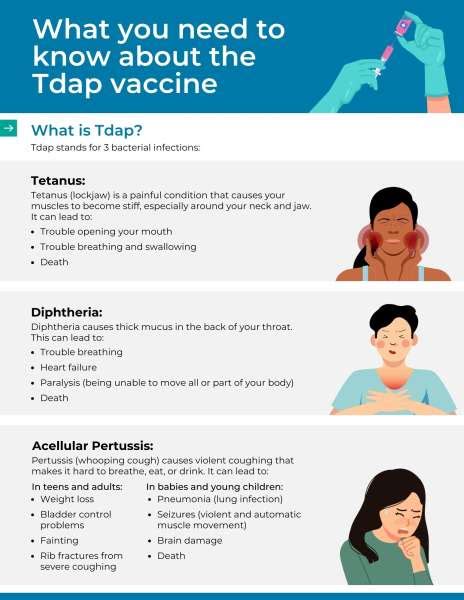
The Tdap vaccine, which protects against tetanus, diphtheria, and pertussis, is a crucial immunization for individuals of all ages. While it is highly effective in preventing these serious diseases, like any vaccine, it can cause side effects in some people. Understanding when Tdap side effects start and how to manage them is essential for individuals who are about to receive or have recently received the vaccine.
Immediate Reactions
In most cases, side effects from the Tdap vaccine are mild and temporary. Immediate reactions can start within hours of vaccination. These may include:
- Pain, redness, or swelling at the injection site: This is one of the most common side effects, affecting a significant portion of vaccine recipients. It’s a local reaction to the vaccine and typically resolves on its own within a couple of days.
- Fatigue: Feeling tired after receiving the vaccine is common. This could be due to the body’s immune response to the vaccine.
- Headache: Mild to moderate headaches can occur as the body reacts to the vaccine.
- Muscle or joint pain: Some people may experience generalized pain in their muscles or joints, which is usually mild and self-limiting.
- Nausea or vomiting: Gastrointestinal symptoms can occur but are less common.
Delayed Reactions
While less common, some side effects may be delayed, starting a few days after vaccination. These can include:
- Fever: A low-grade fever can develop as the body mounts an immune response to the vaccine. This is generally not a cause for concern and can be managed with over-the-counter medications if necessary.
- Swollen lymph nodes: The body’s immune response can cause lymph nodes, particularly in the neck or under the arm near the injection site, to become swollen.
Rare but Serious Side Effects
Though exceedingly rare, there are more serious side effects that can occur after Tdap vaccination. These include:
- Severe allergic reactions: Symptoms can include hives, itching, swelling, and difficulty breathing. Anaphylaxis, a severe, life-threatening allergic reaction, is very rare but requires immediate medical attention.
- Neurological problems: In rare instances, the vaccine has been associated with neurological conditions such as brachial neuritis (inflammation of the nerves) or Guillain-Barré Syndrome, an autoimmune disorder that can lead to muscle weakness and sometimes paralysis.
Managing Side Effects
For most people, Tdap side effects are mild and do not require medical intervention. However, there are steps you can take to manage discomfort:
- Apply a cold compress: To reduce swelling or pain at the injection site.
- Take over-the-counter pain relievers: Such as acetaminophen or ibuprofen to alleviate headache, fever, or body pain.
- Rest: Get plenty of rest if you’re feeling tired.
- Stay hydrated: Drink plenty of fluids to help your body recover from the vaccine.
When to Seek Medical Attention
While most side effects resolve without issue, there are situations where medical attention is necessary. Seek help if you experience:
- Severe pain or swelling at the injection site that worsens over time.
- High fever (over 103°F) that doesn’t decrease with medication.
- Difficulty breathing or swallowing.
- Abnormal heart rhythms or palpitations.
- Neurological symptoms such as numbness, tingling, or weakness in the face, arm, or leg.
- Severe allergic reactions such as anaphylaxis.
Conclusion
The Tdap vaccine is a safe and effective way to protect against serious diseases. While side effects can occur, they are generally mild and temporary. Understanding the timing and nature of these side effects can help individuals prepare and manage any discomfort associated with vaccination. It’s also crucial to be aware of the rare but serious side effects and when to seek medical attention. If you have specific concerns about the Tdap vaccine or any side effects you’re experiencing, consulting a healthcare professional is the best course of action.
What are the most common side effects of the Tdap vaccine?
+The most common side effects include pain, redness, or swelling at the injection site, fatigue, headache, muscle or joint pain, and nausea or vomiting. These are generally mild and temporary.
How long do Tdap side effects last?
+Most side effects from the Tdap vaccine resolve within a few days. In some cases, mild side effects can last up to a week, but severe side effects are rare and may require medical attention.
Can I take medication to alleviate Tdap side effects?
+Yes, over-the-counter medications like acetaminophen or ibuprofen can help with pain, fever, or discomfort. Always follow the recommended dosage and consult a healthcare provider if unsure.
When should I seek medical attention for Tdap side effects?
+Seek medical attention if you experience severe pain or swelling at the injection site, high fever, difficulty breathing, abnormal heart rhythms, neurological symptoms, or severe allergic reactions. These could be signs of rare but serious side effects.
It's crucial to discuss any concerns or questions you have about the Tdap vaccine with a healthcare professional. They can provide personalized advice and help you understand the benefits and risks associated with vaccination.
Steps to Manage Tdap Side Effects
- Monitor your symptoms: Keep track of when side effects start and how long they last.
- Use cold compresses: Apply to the injection site to reduce swelling or pain.
- Rest: Get plenty of rest if you’re feeling tired.
- Stay hydrated: Drink plenty of fluids.
- Consider medication: If recommended by a healthcare provider, take over-the-counter medications to manage pain or fever.