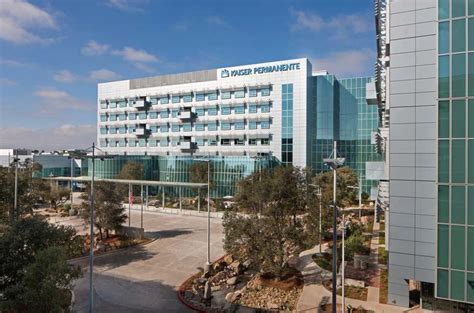
Deciding when to visit a hospital, especially in a city like San Diego, can be a daunting task, especially during emergency situations. San Diego, with its vibrant lifestyle and plethora of medical facilities, including the renowned UC San Diego Health and Sharp HealthCare, offers a wide range of healthcare services. However, knowing when to seek emergency care can be crucial in ensuring that you or your loved one receives the necessary medical attention promptly.
Understanding Emergency Situations
Emergency situations are those that require immediate medical attention because they pose an immediate risk to life or could cause permanent harm if not treated right away. These can include severe injuries, sudden onset of serious illness, or exacerbation of chronic conditions. Here are some scenarios where visiting an emergency room in San Diego would be appropriate:
Severe Injuries: If you or someone you know has been involved in a serious accident, such as a car crash, a fall from a significant height, or any injury that results in severe bleeding, broken bones, or loss of consciousness, seek emergency care immediately.
Chest Pain or Difficulty Breathing: Symptoms like chest pain or pressure, shortness of breath, or severe difficulty breathing could indicate a heart attack or other serious cardiovascular conditions. These symptoms require immediate medical attention.
Sudden Severe Headache: A sudden and severe headache, unlike any other headache you’ve experienced, could be a sign of a stroke or another serious condition. This is especially true if the headache is accompanied by confusion, seizure, weakness, or numbness in parts of the body.
Severe Allergic Reactions: If you experience symptoms of a severe allergic reaction, such as anaphylaxis, which can include swelling of the face, lips, tongue, or throat, difficulty breathing, or a drop in blood pressure, you should go to the emergency room.
Suicidal Thoughts or Behavioral Emergencies: If you or someone you know is experiencing suicidal thoughts or is in a behavioral crisis, seeking immediate help is crucial. San Diego hospitals have psychiatric emergency services designed to provide urgent care in such situations.
High Fever: Especially in infants, elderly individuals, or those with compromised immune systems, a high fever (usually above 103°F) that is not responding to medication or is accompanied by other concerning symptoms like confusion, severe headache, or stiff neck, warrants an emergency visit.
Vomiting or Diarrhea with Severe Dehydration: If you or your child is experiencing severe vomiting or diarrhea that leads to dehydration, characterized by excessive thirst, dark urine, dizziness, or decreased urine output, emergency care may be necessary.
Stroke Symptoms: Remember the acronym “FAST” - Face (ask the person to smile; does one side of their face droop?), Arm (ask the person to raise both arms; does one arm drift downward?), Speech (ask the person to repeat a simple sentence; is their speech slurred or difficult to understand?), and Time (time is of the essence; if the person shows any of these symptoms, get them to the hospital immediately).
Before You Go
- Call Ahead: If your situation allows, calling the emergency department before you arrive can help prepare them for your case, especially if you have a specific condition that requires immediate preparation.
- Know Your Location: Make sure you know the nearest hospital to your location. In an emergency, minutes count, and knowing where to go can save valuable time.
- Have Information Ready: When you arrive, having information such as your medical history, allergies, current medications, and insurance information readily available can speed up the process.
Conclusion
While the decision to visit an emergency room should not be taken lightly, it’s crucial to trust your instincts. If you believe your condition or that of someone else’s is life-threatening or could cause significant harm if not treated immediately, do not hesitate to seek emergency care. San Diego’s healthcare system is equipped to handle a wide range of emergencies. Always prioritize caution and seek medical help when in doubt.
What are the most critical symptoms that require immediate emergency care in San Diego?
+Critical symptoms include severe injuries, chest pain, difficulty breathing, sudden severe headache, severe allergic reactions, suicidal thoughts, and high fever, especially in vulnerable populations. If you or someone you know is experiencing these symptoms, it’s crucial to seek immediate emergency care.
How do I decide which hospital to go to in an emergency in San Diego?
+In an emergency, it’s best to go to the nearest hospital. Knowing the location of the nearest hospital to your current location can save valuable time. Additionally, if your condition allows, calling ahead can help the emergency department prepare for your case.
What information should I have ready when I arrive at the emergency room in San Diego?
+To expedite your care, it’s helpful to have your medical history, list of current medications, allergies, and insurance information readily available. This information can significantly speed up the process and ensure you receive the most appropriate care.