Making decisions about one’s healthcare, especially in situations where one cannot communicate their preferences, is a crucial aspect of planning for the future. Healthcare directive forms are documents that outline an individual’s wishes regarding their medical treatment in the event they become incapable of making decisions for themselves. These documents can vary by jurisdiction and may include living wills, durable powers of attorney for healthcare, and do-not-resuscitate (DNR) orders, among others. Here’s a comprehensive overview of 10 key healthcare directive forms that can help ensure your wishes are respected:
Living Will: A living will is a document that specifies the types of medical treatments you do or do not want to receive if you become incapacitated. It typically covers end-of-life care and can include instructions on pain management, life-support treatments, and organ donation. Living wills are an essential part of advance care planning, allowing individuals to have a say in their medical treatment even when they cannot communicate.
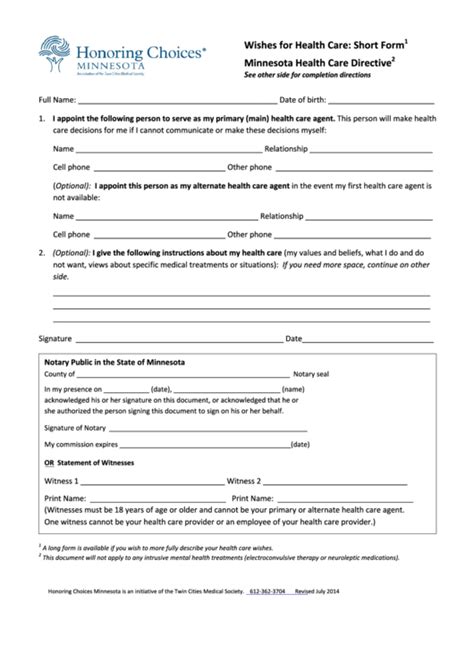
Durable Power of Attorney for Healthcare (DPOA-HC): This document appoints a healthcare agent or proxy who can make medical decisions on your behalf if you are unable to make them yourself. The DPOA-HC is a powerful tool that ensures your agent understands and can execute your wishes as outlined in your living will or as you have communicated to them.
Do-Not-Resuscitate (DNR) Order: A DNR is a medical order that instructs healthcare providers not to perform CPR if your heart stops or if you stop breathing. This document is specifically used in emergency situations and is typically completed by individuals who have a terminal illness or are in a frail state.
Physician Orders for Life-Sustaining Treatment (POLST): The POLST form is a doctor’s orders document that outlines your wishes regarding life-sustaining treatments, such as CPR, mechanical ventilation, and feeding tubes. It is specifically designed for individuals with serious illnesses or frailty and is intended to be honored across different care settings.
Mental Health Advance Directive: This document allows you to make decisions about your mental health treatment in advance. It can include preferences for types of therapies, medications, and hospitalizations. Mental health advance directives are crucial for ensuring that your mental health care aligns with your values and wishes, even during periods of incapacity.
Organ and Tissue Donation Form: This form indicates your willingness to donate your organs and tissues after death. It can be included in a living will or completed separately as part of a driver’s license application in some jurisdictions. Organ donation is a selfless act that can save and improve the lives of many individuals and families.
Healthcare Proxy Form: Similar to a DPOA-HC, this document appoints someone to make healthcare decisions on your behalf, but it may have more limited authority compared to a full DPOA-HC. The specific powers and limitations of a healthcare proxy can vary, so it’s essential to review the document carefully.
Medical Orders for Scope of Treatment (MOST): The MOST form is similar to a POLST but may be used in different regions or have slightly different focuses. It outlines your treatment preferences, including the level of medical intervention you desire, to ensure that your care aligns with your values and goals.
Out-of-Hospital DNR (OOH-DNR): This order is used by emergency medical services (EMS) personnel to identify patients who do not wish to receive CPR or other life-sustaining treatments outside of a hospital setting. It’s a critical document for individuals who have a DNR order and want to ensure that their wishes are respected during emergency responses.
Advance Care Planning Worksheet: While not a directive itself, an advance care planning worksheet is a tool that helps you think through and document your preferences, values, and goals for future medical treatment. It can guide discussions with your healthcare provider, family, and friends, ensuring that everyone involved in your care understands your wishes.
Preparation and Implementation
To ensure that these documents effectively convey your wishes, it’s crucial to:
- Discuss Your Preferences: Talk to your family, friends, and healthcare providers about your values and the kind of care you want to receive.
- Complete the Forms: Fill out the relevant healthcare directive forms according to your state’s or country’s laws and regulations. Ensure you understand the implications of each document.
- Review and Update: Regularly review your documents to reflect any changes in your wishes or medical condition.
- Share Your Documents: Provide copies of your completed forms to your healthcare agent, family members, and healthcare providers, and ensure they know where the originals are kept.
Healthcare directive forms are powerful tools for ensuring that your medical care aligns with your values, preferences, and goals, even when you cannot communicate them yourself. By understanding and utilizing these documents, individuals can have peace of mind knowing that their autonomy and dignity will be respected throughout their healthcare journey.
What is the difference between a living will and a durable power of attorney for healthcare?
+A living will outlines the types of medical treatment you do or do not want to receive if you become incapacitated, focusing on end-of-life care. A durable power of attorney for healthcare (DPOA-HC), on the other hand, appoints an agent to make medical decisions on your behalf, including those not covered by your living will. Both documents are crucial for comprehensive advance care planning.
How do I choose the right person to be my healthcare agent?
+Choosing the right healthcare agent involves considering someone who understands and respects your values, medical wishes, and personal beliefs. This person should be able to make decisions under pressure and communicate effectively with healthcare providers. Often, individuals choose a trusted family member or close friend for this role.
In conclusion, healthcare directive forms are vital for ensuring that your wishes regarding medical treatment are respected and implemented, even when you cannot communicate them yourself. By understanding the different types of documents available and taking the time to complete them thoughtfully, individuals can maintain control over their healthcare journey and peace of mind for themselves and their loved ones.