As a parent, observing your two-year-old’s growth and development can be a thrilling experience. At this stage, children often exhibit significant advancements in their physical, cognitive, and emotional abilities. Tracking these milestones is essential to ensure your child is progressing typically and to identify any potential areas of concern early on. Here are 10 key milestones to look out for in your two-year-old:
1. Improved Vocabulary and Communication
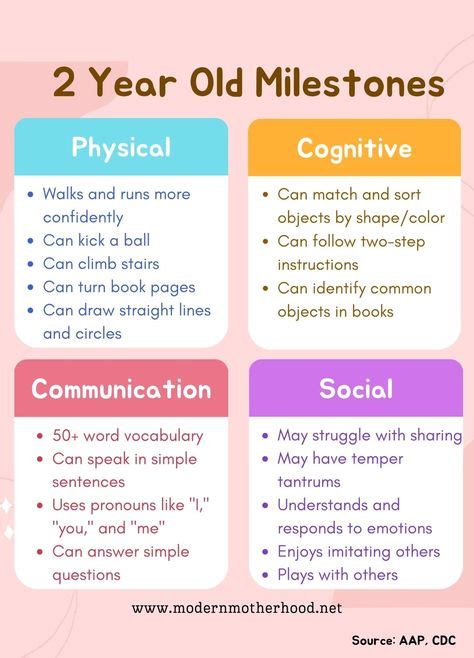
By 24 months, most children have a vocabulary of around 50 words and start combining two words together. They should also be able to follow simple instructions and point to body parts when named. Enhanced communication skills, such as understanding simple questions like “What’s your name?” and being able to respond appropriately, are also critical at this age.
2. Advanced Gross Motor Skills
Two-year-olds should demonstrate improved balance and coordination. They can run, though it might not be very steady, kick a ball forward, and climb up onto furniture. Their improving gross motor skills also enable them to walk up and down stairs with support.
3. Fine Motor Skills Development
This age is characterized by significant advancements in fine motor skills. Children can point to objects, turn pages in a book (though they might not always turn one page at a time), and begin to show an interest in drawing, even if it’s just scribbles. They might also attempt to dress and undress themselves, though they may need assistance with buttons and zippers.
4. Problem-Solving Abilities
Two-year-olds start to develop basic problem-solving skills. They can figure out how to put a simple puzzle piece into its correct spot and might even attempt to solve problems independently, such as finding a way to get a toy that’s out of reach.
5. Imitation and Role-Playing
Imitation is a key learning strategy at this age. Children will imitate actions they see, like pretending to talk on a phone or feeding a doll. This role-playing indicates an understanding of sequences of events and can be a precursor to complex social interactions.
6. Demonstrating Affection
Showing affection for family members and friends is a significant emotional milestone. Two-year-olds might give hugs, kisses, or say “I love you” without being prompted. This affection can also extend to favorite toys or stuffed animals.
7. Showing Interest in Interactive Games
Children at this age begin to engage in interactive games like pat-a-cake, peek-a-boo, and so-big. They understand the concept of taking turns and can follow simple games, which is crucial for developing social skills.
8. Testing Boundaries
As two-year-olds explore their independence, they often test boundaries and assert their will, which can manifest as tantrums or saying “no” frequently. This behavior is a normal part of development as they learn about limits and consequences.
9. Pointing to Pictures in a Book
When looking at a book, a two-year-old can point to and identify several pictures when named. This skill indicates an understanding of object permanence and begins to lay the groundwork for reading skills.
10. Following Two-Step Instructions
The ability to follow simple two-step directions, such as “Pick up your toy and put it in the box,” without gestures, is a significant cognitive milestone. It shows an improvement in listening and comprehension skills.
It’s essential to remember that every child develops at their own pace, and some might need more time to achieve certain milestones. If you have concerns about your child’s development, consulting with a pediatrician or a qualified healthcare professional can provide valuable insights and guidance.
What should I do if my two-year-old isn't meeting some of these milestones?
+If you're concerned that your two-year-old isn't meeting some of the developmental milestones, it's crucial to discuss your observations with your child's pediatrician. They can assess your child's overall development, provide guidance, and if necessary, recommend further evaluation or intervention.
How can I support my two-year-old's language development?
+Supporting your two-year-old's language development involves engaging them in conversations, reading books together, singing songs, and pointing out objects and animals, saying their names. Encouraging them to repeat words and imitate your actions can also foster their language skills.
Are tantrums a normal part of two-year-old development?
+Yes, tantrums are a common and normal part of a two-year-old's development. They occur as children struggle to express their feelings and assert their independence. Staying calm, setting clear boundaries, and offering choices can help manage tantrums.
Monitoring your child’s progress and addressing any concerns promptly can make a significant difference in their developmental journey. By being aware of these milestones and fostering a nurturing environment, you can support your two-year-old’s growth into a healthy, curious, and capable individual.