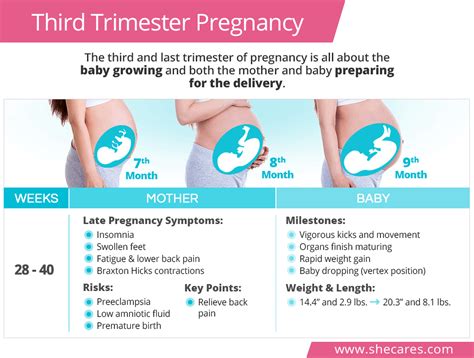
The third trimester, spanning from week 28 to birth, is a critical period for expectant mothers. It’s a time of significant growth for the baby and preparation for the mother’s body for labor and delivery. Ensuring a healthy birth requires careful attention to diet, exercise, mental health, and prenatal care. Here are 12 essential tips for a healthy birth during the third trimester:
1. Maintain a Balanced Diet
A well-balanced diet rich in nutrients is crucial for the baby’s growth and the mother’s health. Focus on consuming foods high in protein, iron, calcium, and folic acid. Include a variety of fruits, vegetables, whole grains, and lean proteins in your meals. Staying hydrated by drinking plenty of water is also vital.
2. Stay Active with Prenatal Exercises
Regular physical activity can help prepare the body for labor and reduce the risk of complications during delivery. Engage in low-impact exercises such as prenatal yoga, swimming, or brisk walking. However, always consult with your healthcare provider before starting any new exercise routine, especially in the third trimester.
3. Attend Prenatal Classes
Prenatal classes provide valuable information about labor, delivery, and newborn care. They can help you and your partner feel more prepared and confident for the arrival of your baby. These classes also offer a great opportunity to ask questions and address any concerns you may have.
4. Practice Relaxation Techniques
Stress can negatively impact your health and the baby’s development. Practice relaxation techniques such as deep breathing, meditation, or prenatal massage to manage stress and anxiety. These practices can also help you cope with labor pain more effectively.
5. Get Enough Rest
As your body changes and your baby grows, you may find it more challenging to get comfortable and sleep. Prioritize rest and aim for 8-10 hours of sleep each night. If possible, take naps during the day to help manage fatigue.
6. Stay Connected with Your Healthcare Provider
Regular prenatal visits are crucial during the third trimester. Your healthcare provider will monitor your health and the baby’s development closely, addressing any concerns or potential issues promptly. Do not hesitate to reach out to your provider if you experience any unusual symptoms.
7. Prepare Your Birth Plan
A birth plan outlines your preferences for labor, delivery, and postpartum care. It can include details such as pain management options, the presence of support people, and newborn care practices. Discuss your birth plan with your healthcare provider to understand what is feasible and safe.
8. Learn About Breastfeeding
Breastfeeding provides numerous health benefits for both the mother and the baby. Educate yourself about the benefits and challenges of breastfeeding, and consider taking a breastfeeding class. This preparation can help you feel more confident and successful with nursing your baby.
9. Build a Support Network
Having a strong support system can make a significant difference during the third trimester and after birth. Connect with friends, family, and join a community of expectant mothers to share experiences and advice.
10. Stay Up-to-Date with Vaccinations
Certain vaccinations, such as the Tdap vaccine, are recommended during the third trimester to protect the newborn from serious diseases. Follow your healthcare provider’s guidance on necessary vaccinations.
11. Plan for Postpartum Recovery
The postpartum period can be challenging, both physically and emotionally. Plan ahead by preparing meals, arranging for help with household chores, and having a support system in place. Understanding what to expect and having resources available can make a significant difference in your recovery.
12. Stay Informed but Avoid Unnecessary Stress
While it’s essential to be informed about pregnancy, labor, and parenting, be cautious not to overload yourself with information, especially from unreliable sources. Focus on trusted resources and discuss any concerns with your healthcare provider to avoid unnecessary stress.
What are the most common symptoms in the third trimester?
+Common symptoms in the third trimester include back pain, frequent urination, Braxton Hicks contractions, and fatigue. As the baby grows, symptoms can become more pronounced, affecting daily activities and sleep.
How often should I attend prenatal visits in the third trimester?
+In the third trimester, prenatal visits become more frequent, typically every two weeks from 28 to 36 weeks of gestation, and then weekly from 36 weeks until birth. This close monitoring is crucial for tracking the baby's growth and the mother's health, identifying any potential issues early.
What are the signs of labor, and when should I go to the hospital?
+Signs of labor include strong, regular contractions, a bloody show, and the rupture of membranes. If you experience any of these signs, especially if they are intense or accompanied by other symptoms like vaginal bleeding, it's time to head to the hospital. Always follow the specific advice given by your healthcare provider, as they may have personalized guidelines based on your unique situation.
In conclusion, the third trimester is a pivotal time for preparation and care, laying the foundation for a healthy birth and a positive postpartum experience. By following these tips, staying informed, and maintaining open communication with your healthcare provider, you can navigate this period with confidence and readiness for the arrival of your baby.