Valtrex, generically known as valacyclovir, is a widely prescribed antiviral medication used to treat various viral infections, most notably herpes simplex virus (HSV) infections, including genital herpes and cold sores. Understanding the specifics of how Valtrex works, its benefits, potential side effects, and how to use it effectively is crucial for managing these conditions. Here’s a comprehensive look at 12 key facts about Valtrex to enhance treatment outcomes and patient knowledge.
1. Mechanism of Action
Valtrex works by inhibiting viral DNA synthesis and replication. It is a prodrug that is converted into acyclovir in the body, which then competes with the building blocks of DNA to stop the virus from replicating. This mechanism is effective against herpes viruses, including HSV-1 and HSV-2, which cause cold sores and genital herpes, respectively, as well as varicella-zoster virus (VZV), the cause of shingles.
2. Approved Uses
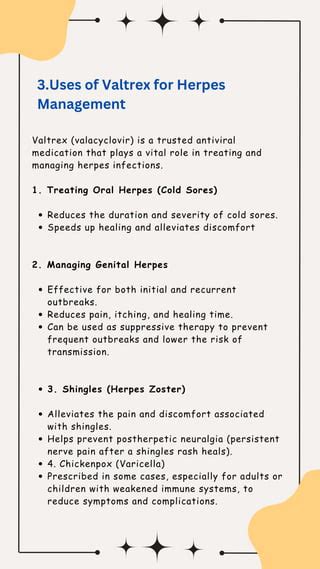
Valtrex is approved for the treatment of genital herpes (HSV-2), cold sores (HSV-1), and shingles (herpes zoster) in adult patients. It is also used for the reduction of transmission of genital herpes in patients with a history of recurrent infections. Additionally, it can be prescribed to treat chickenpox in children.
3. Dosage and Administration
The dosage of Valtrex varies depending on the condition being treated. For initial genital herpes outbreaks, the dose is typically 1 gram twice daily for 10 days. For recurrent episodes, the dosage is 500 mg twice daily for 3 days. Cold sores are usually treated with 2 grams every 12 hours for 1 day. It’s essential to follow the prescribed regimen and complete the full treatment course, even if symptoms improve before finishing the medication.
4. Efficacy
Valtrex has been shown to be highly effective in reducing the severity and duration of herpes outbreaks, including both genital herpes and cold sores. It can also reduce the frequency of recurrent outbreaks. When used as prescribed, it can significantly improve quality of life for individuals suffering from these conditions.
5. Side Effects
Common side effects of Valtrex include nausea, vomiting, diarrhea, and headache. Less common but more serious side effects can include renal impairment, neurological effects (such as confusion, agitation, or hallucinations), and hematologic effects (like anemia, leukopenia). Patients with pre-existing kidney issues should use Valtrex with caution and under the close supervision of a healthcare provider.
6. Contraindications
Valtrex is contraindicated in patients known to be hypersensitive to valacyclovir, acyclovir, or any component of the formulation. It should be used with caution in patients with kidney disease, as dose adjustments may be necessary to prevent renal toxicity.
7. Pregnancy and Breastfeeding
Valtrex is classified as a Pregnancy Category B drug, meaning that while animal studies have failed to demonstrate a risk to the fetus, there are no adequate and well-controlled studies in pregnant women. Therefore, it should be used during pregnancy only if the potential benefit justifies the potential risk to the fetus. Regarding breastfeeding, it’s known that valacyclovir is excreted in breast milk; however, the effect on the nursing infant is unknown. Thus, caution should be exercised when administering Valtrex to nursing mothers.
8. Drug Interactions
Valtrex may interact with other medications, including cimetidine, which can increase the levels of valacyclovir in the body by reducing its renal clearance. Probenecid may also increase valacyclovir levels by competing with it for active renal secretion.
9. Resistance
The development of resistance to antiviral drugs, including Valtrex, can occur, although it is more commonly a concern in immunocompromised patients. Resistance occurs through alterations in the viral thymidine kinase (TK) or DNA polymerase genes, which reduce the ability of acyclovir (the active form of valacyclovir) to inhibit viral replication.
10. Transmission Reduction
Valtrex has been shown to reduce the transmission of genital herpes to susceptible partners when used daily along with safe sex practices. This is an important aspect of managing the infection in relationships and can provide significant peace of mind for couples.
11. Quality of Life
Beyond its medical efficacy, the impact of Valtrex on the quality of life for individuals with herpes infections should not be understated. By reducing the severity, frequency, and duration of outbreaks, Valtrex can significantly alleviate the psychological burden and stigma associated with genital herpes, improving overall well-being.
12. Compliance and Adherence
For Valtrex to be most effective, patient compliance with the prescribed regimen is crucial. Understanding the importance of completing the treatment course, even after symptoms resolve, and adhering to preventive or suppressive therapy regimens can make a significant difference in managing herpes infections effectively.
In conclusion, Valtrex is a powerful tool in the management of herpes simplex virus infections and other viral conditions. Its efficacy, safety profile, and the potential to reduce transmission make it a cornerstone of treatment for eligible patients. However, like any medication, it must be used responsibly and under the guidance of healthcare professionals to maximize benefits and minimize risks. Education and awareness about Valtrex and the conditions it treats are essential for patients to navigate their treatment plans with confidence and achieve the best possible outcomes.
What is the most common use of Valtrex?
+The most common use of Valtrex is for the treatment of genital herpes (caused by HSV-2) and cold sores (caused by HSV-1), as well as for the treatment of shingles (caused by varicella-zoster virus).
Can Valtrex cure herpes?
+No, Valtrex cannot cure herpes. It is an antiviral medication that helps reduce the severity and duration of herpes outbreaks and can suppress the frequency of recurrent episodes, but it does not eliminate the virus from the body.
Is Valtrex safe during pregnancy?
+Valtrex is classified as a Pregnancy Category B drug, meaning there are no adequate and well-controlled studies in pregnant women. It should be used during pregnancy only if the potential benefit justifies the potential risk to the fetus, and under the close supervision of a healthcare provider.
Can Valtrex reduce the transmission of genital herpes to a partner?
+Yes, daily use of Valtrex, in combination with safe sex practices, has been shown to reduce the transmission of genital herpes to susceptible partners.
What are common side effects of Valtrex?
+Common side effects include nausea, vomiting, diarrhea, and headache. Less common but more serious side effects can include renal impairment and neurological effects.
Can Valtrex be used to treat shingles?
+Yes, Valtrex is approved for the treatment of shingles (herpes zoster) in adult patients.