
Popular Mixed Number Conversions
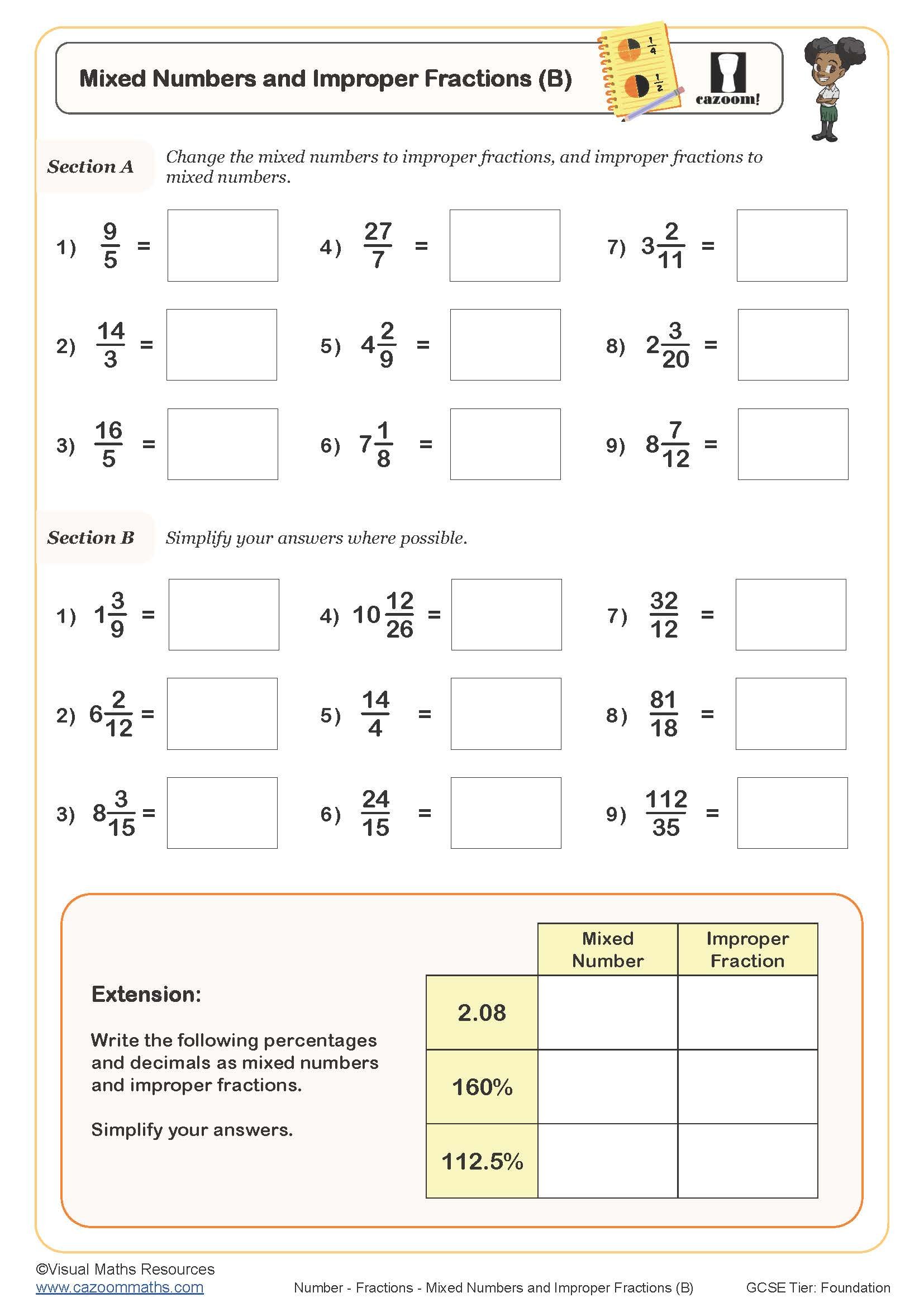
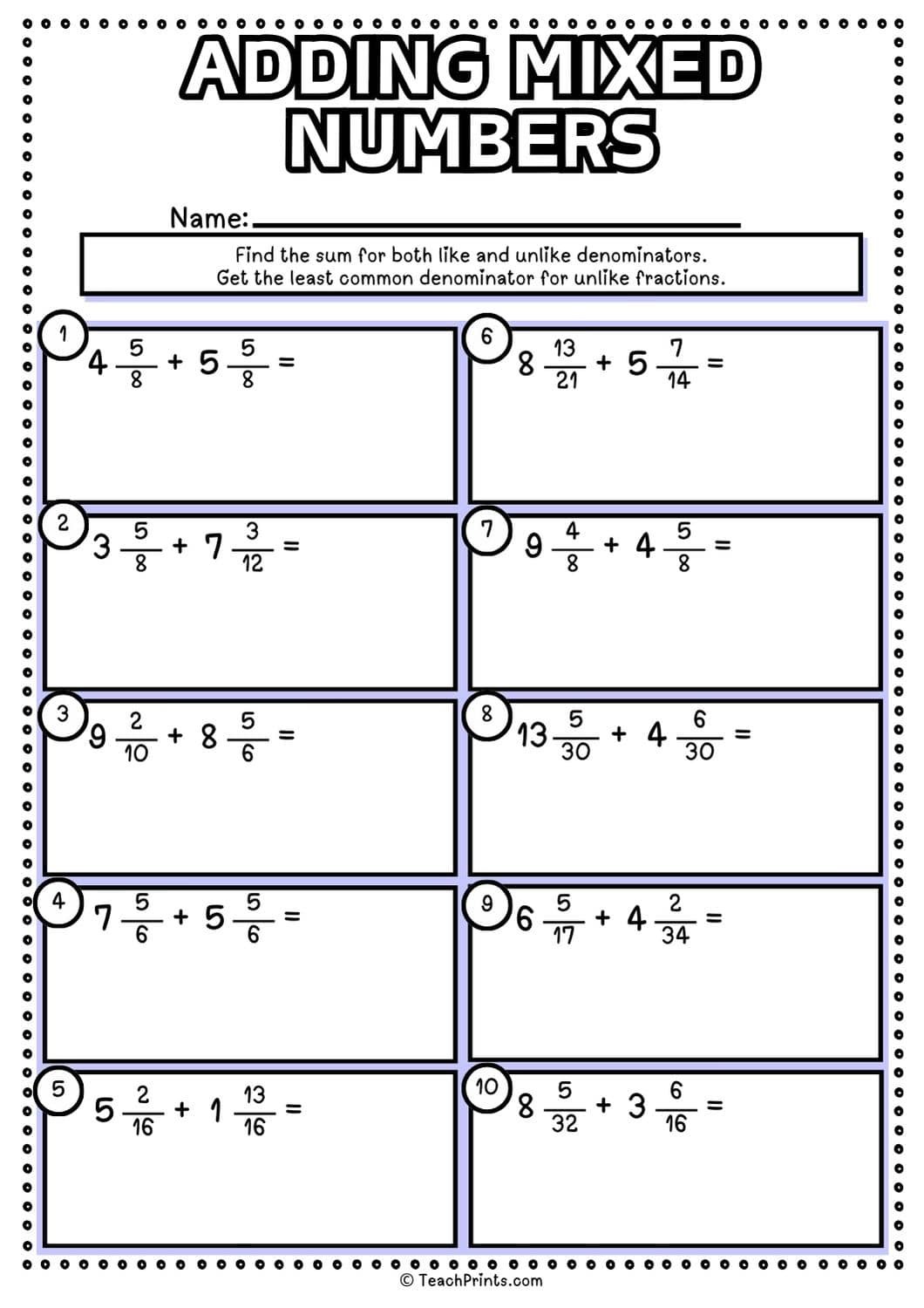
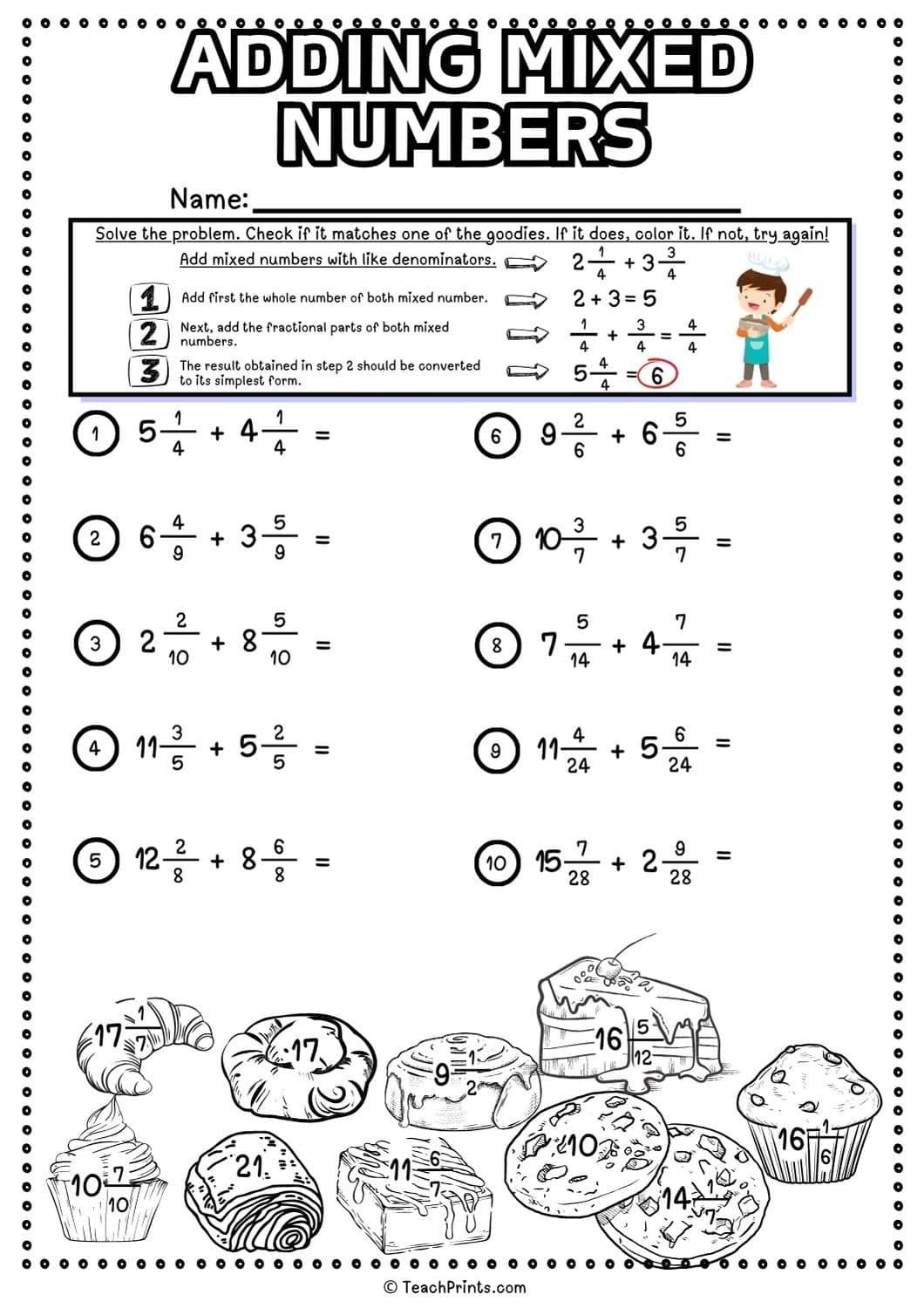
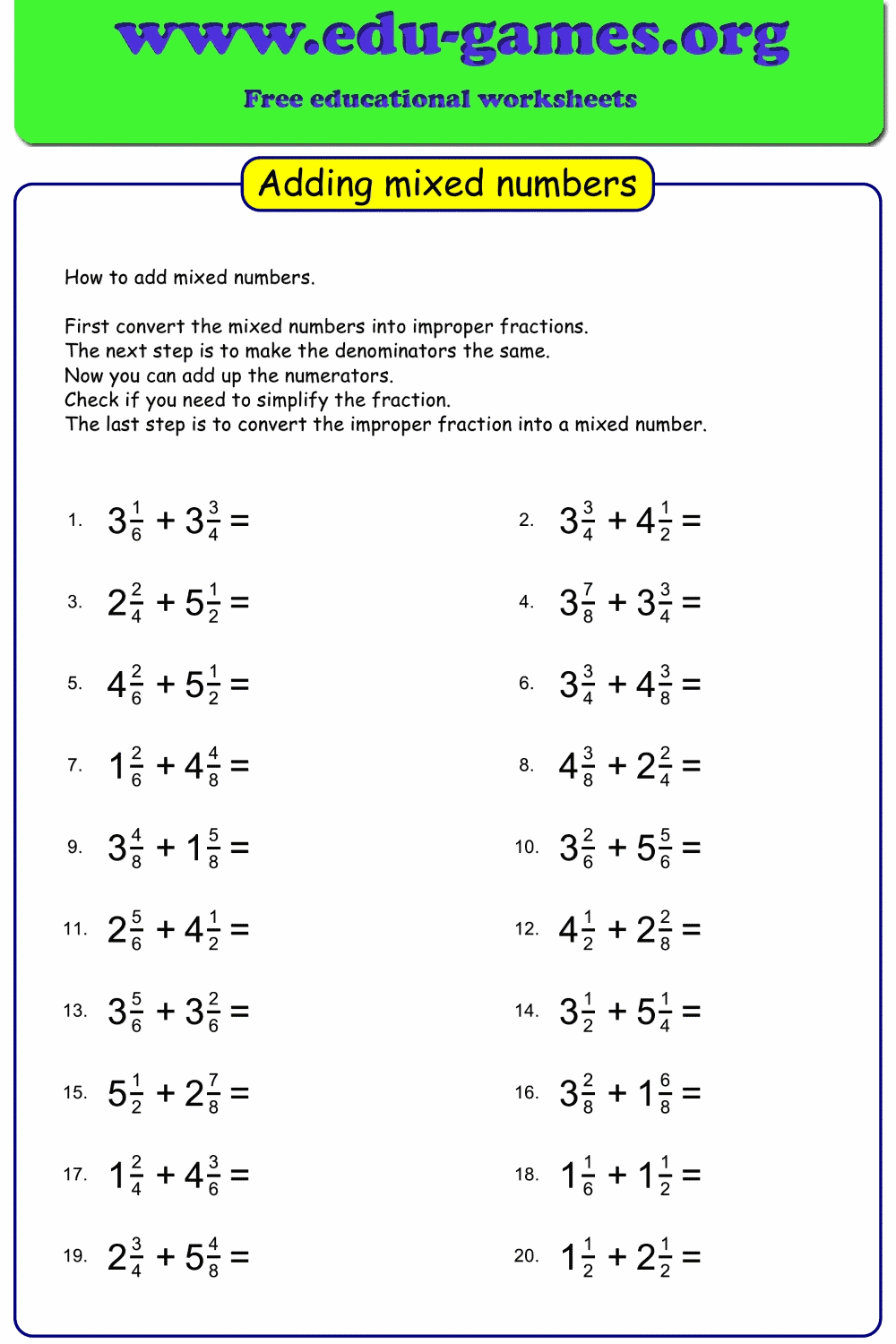
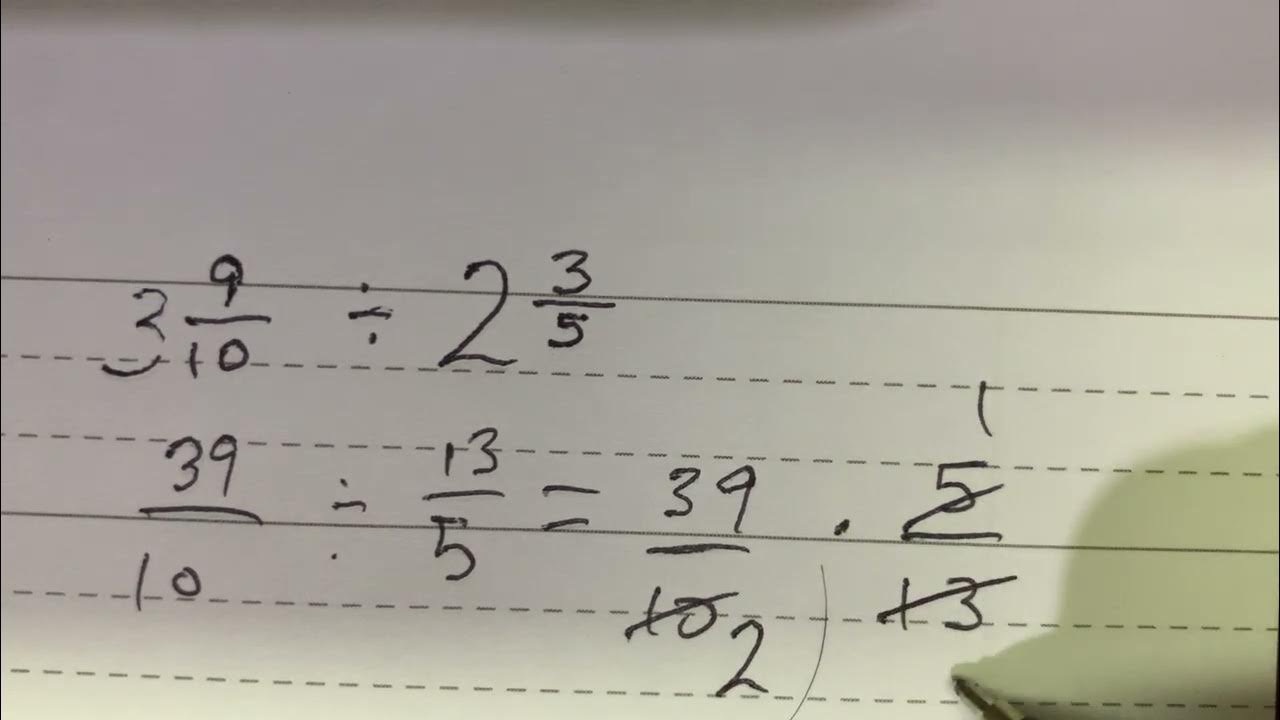
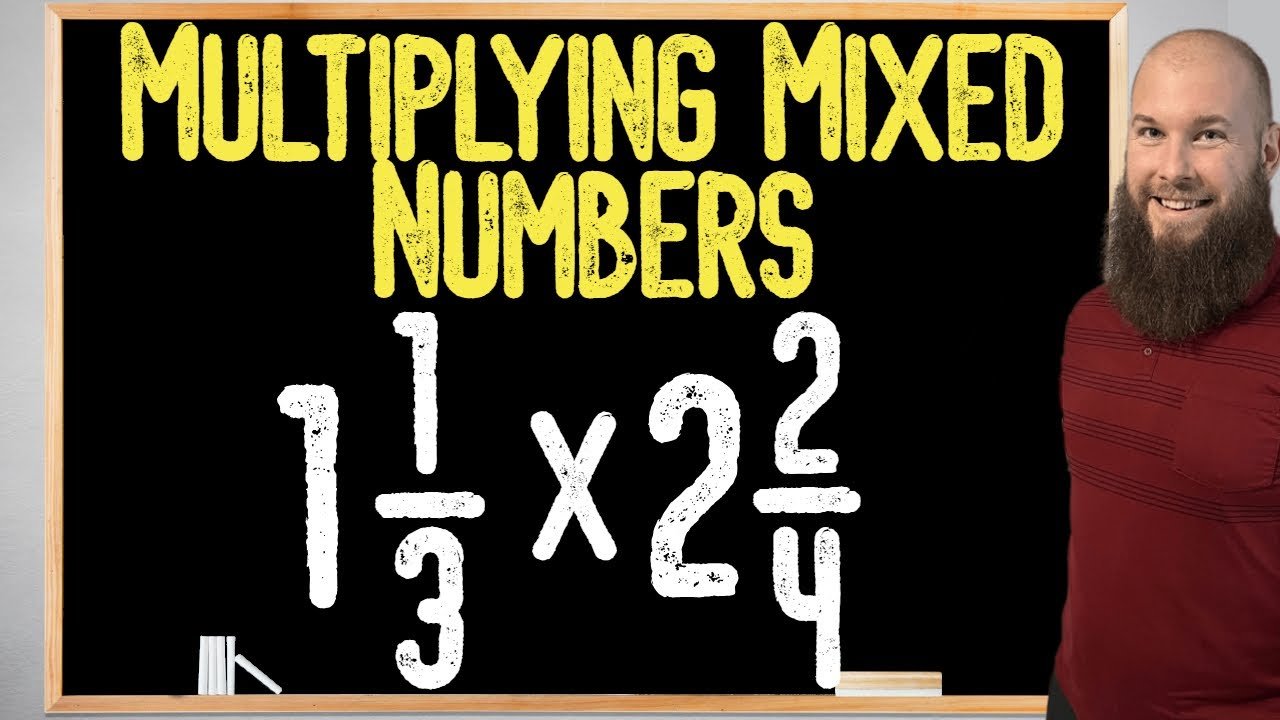
Converting between mixed numbers and improper fractions is a common mathematical operation. Here are some examples: For a closer look at something similar, my post on pixelated color by number game free printable covers the details.
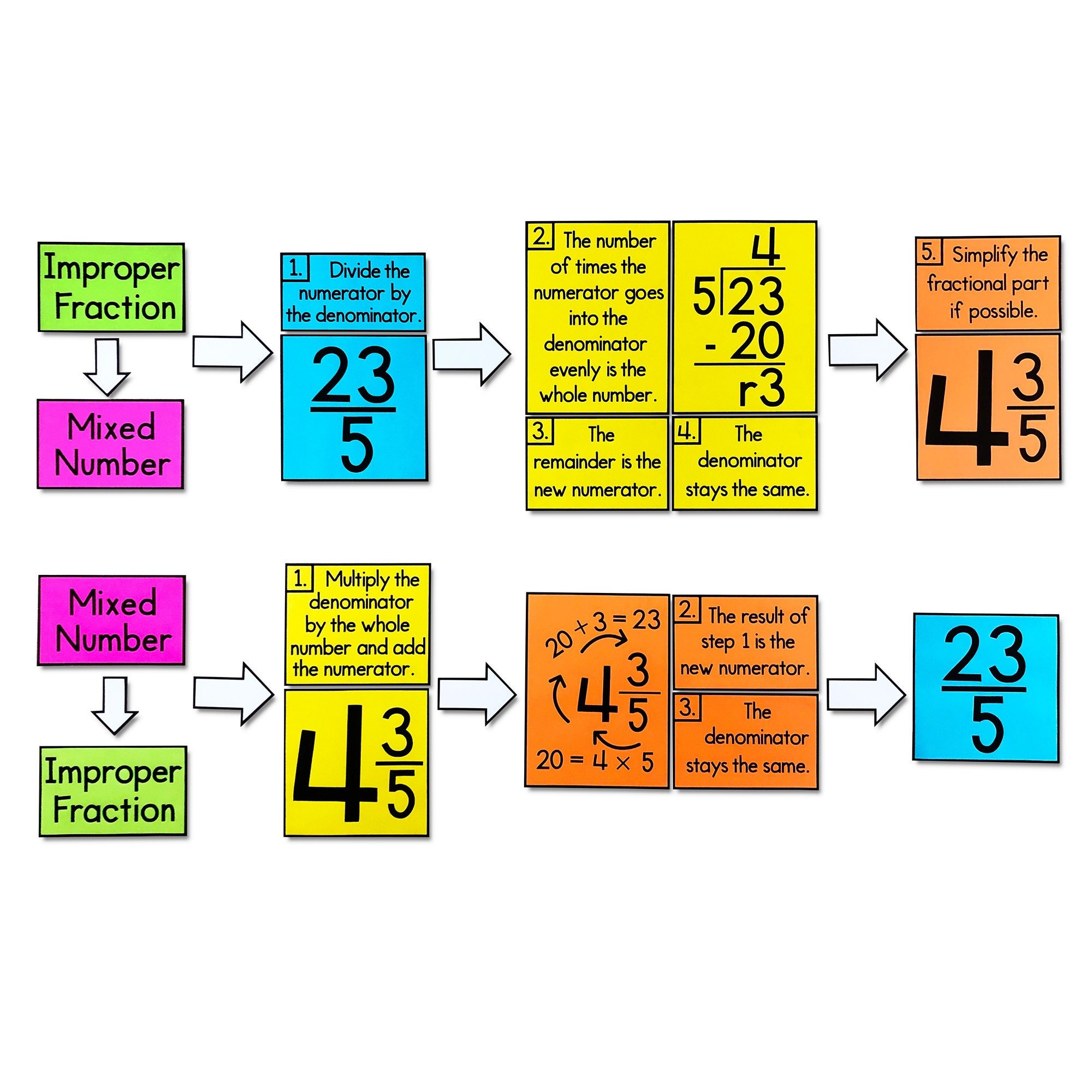
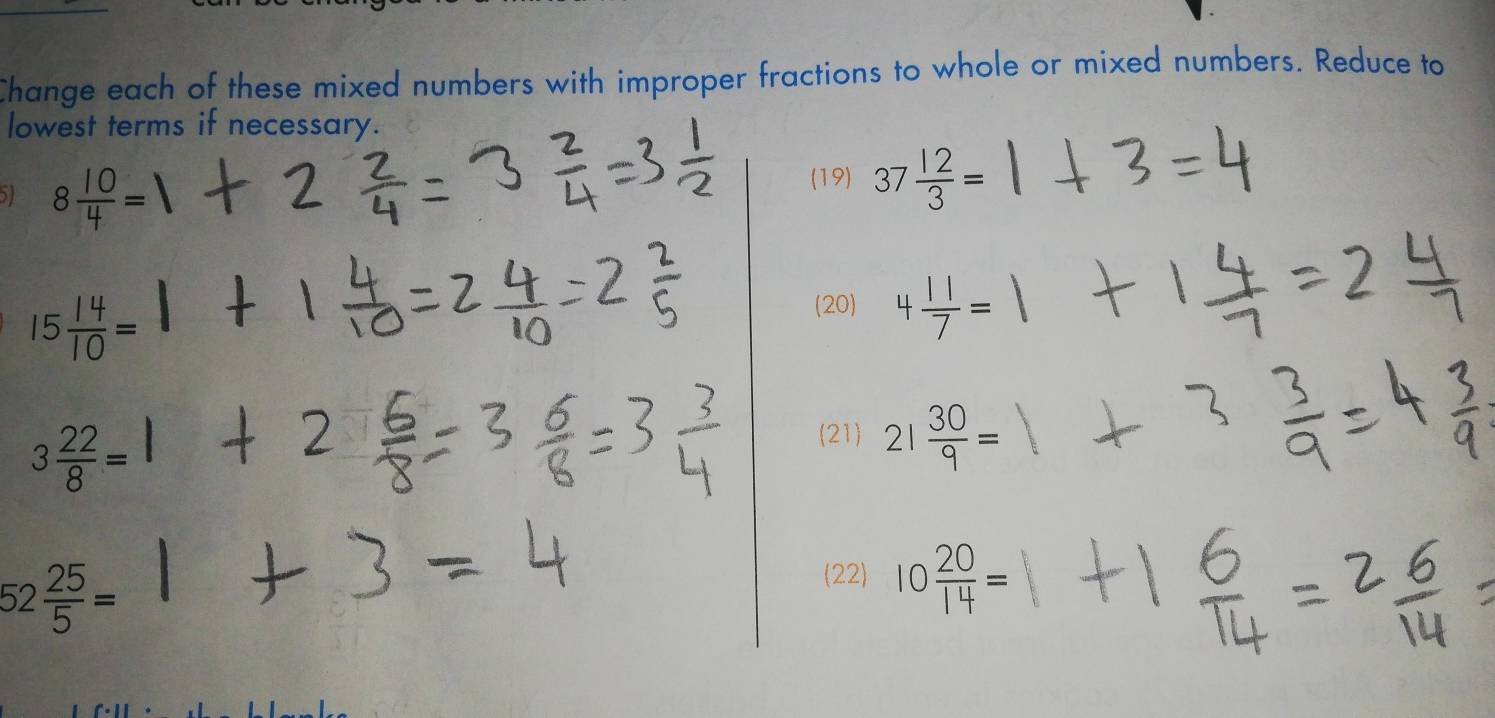
83/12: As mentioned, this is equal to 6 11/12. The conversion process involves dividing the numerator (83) by the denominator (12) to get the whole number (6) and the remaining fraction (11/12).
83/5: This improper fraction can be converted to a mixed number as 16 3/5. The division here results in a whole number of 16 and a remaining fraction of 3/5.
83/3: A simple division gives us 27 2/3, making it a mixed number. If you want another perspective, check out my notes on pixelated color by number game easy as well.
Mixed Number Calculators and Formulas
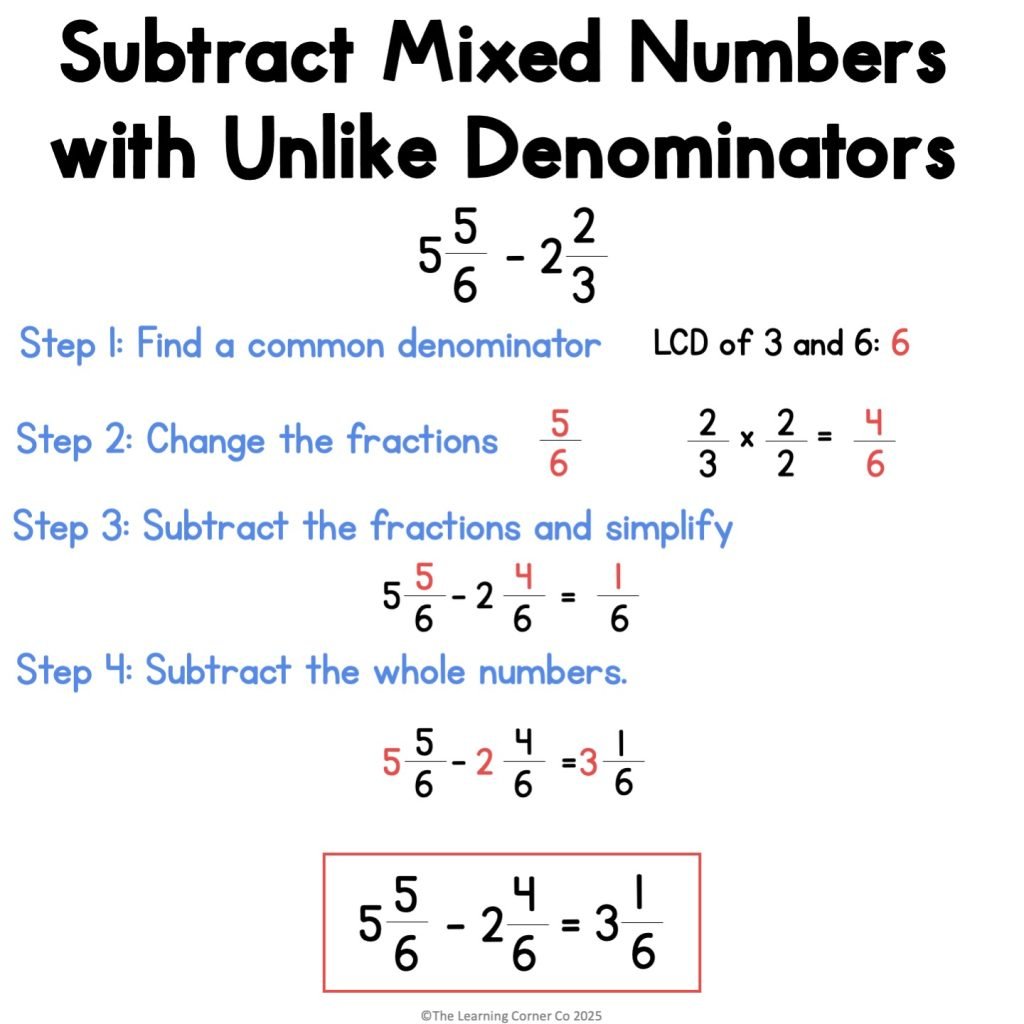
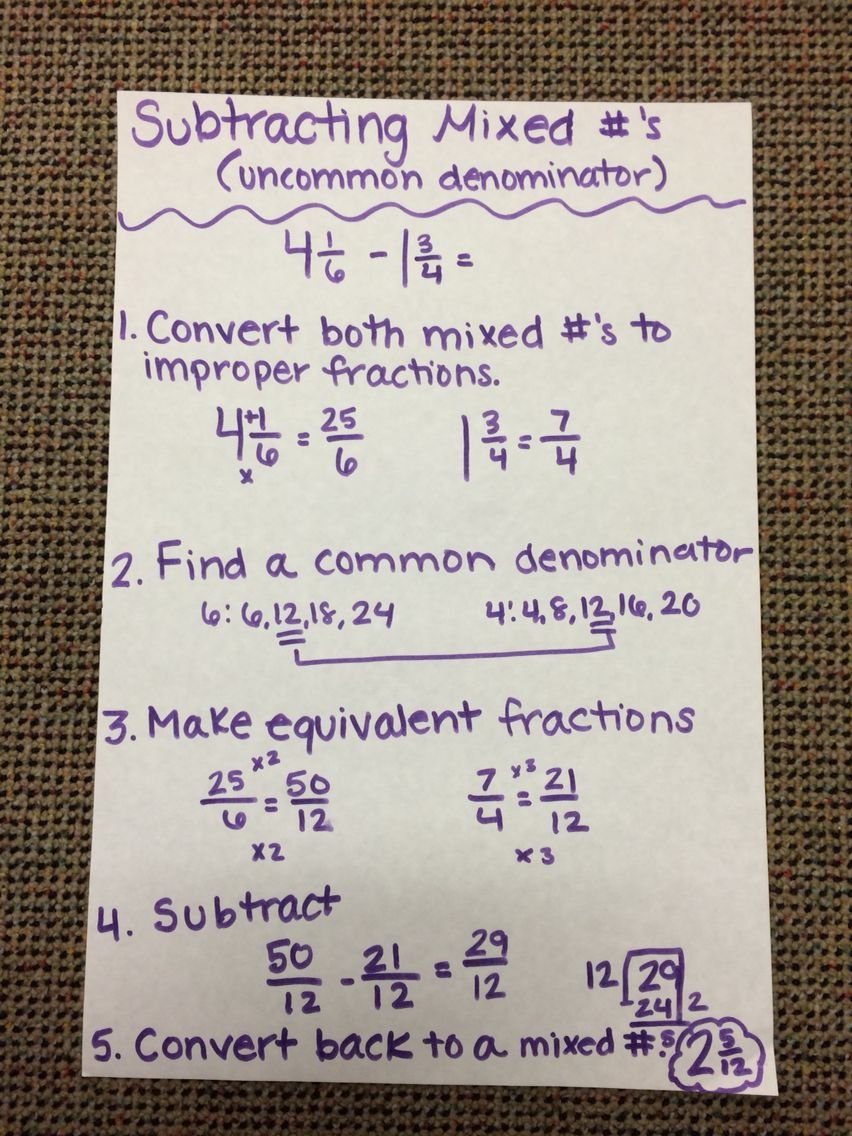
Online tools like a mixed numbers math calculator can simplify these conversions. These calculators often provide step-by-step solutions, making them useful for educational purposes. Alternatively, you can use the following mixed number formulas:
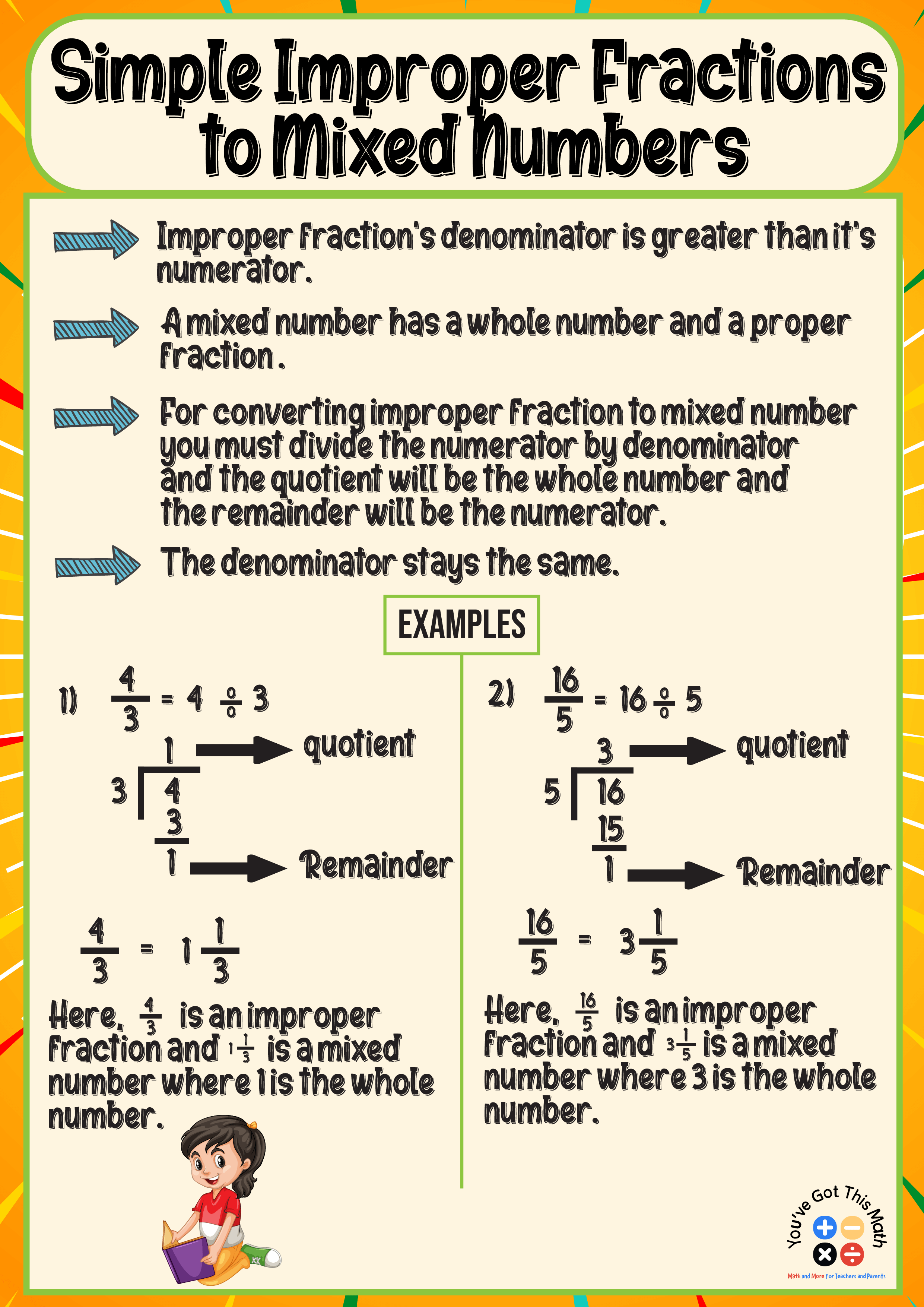
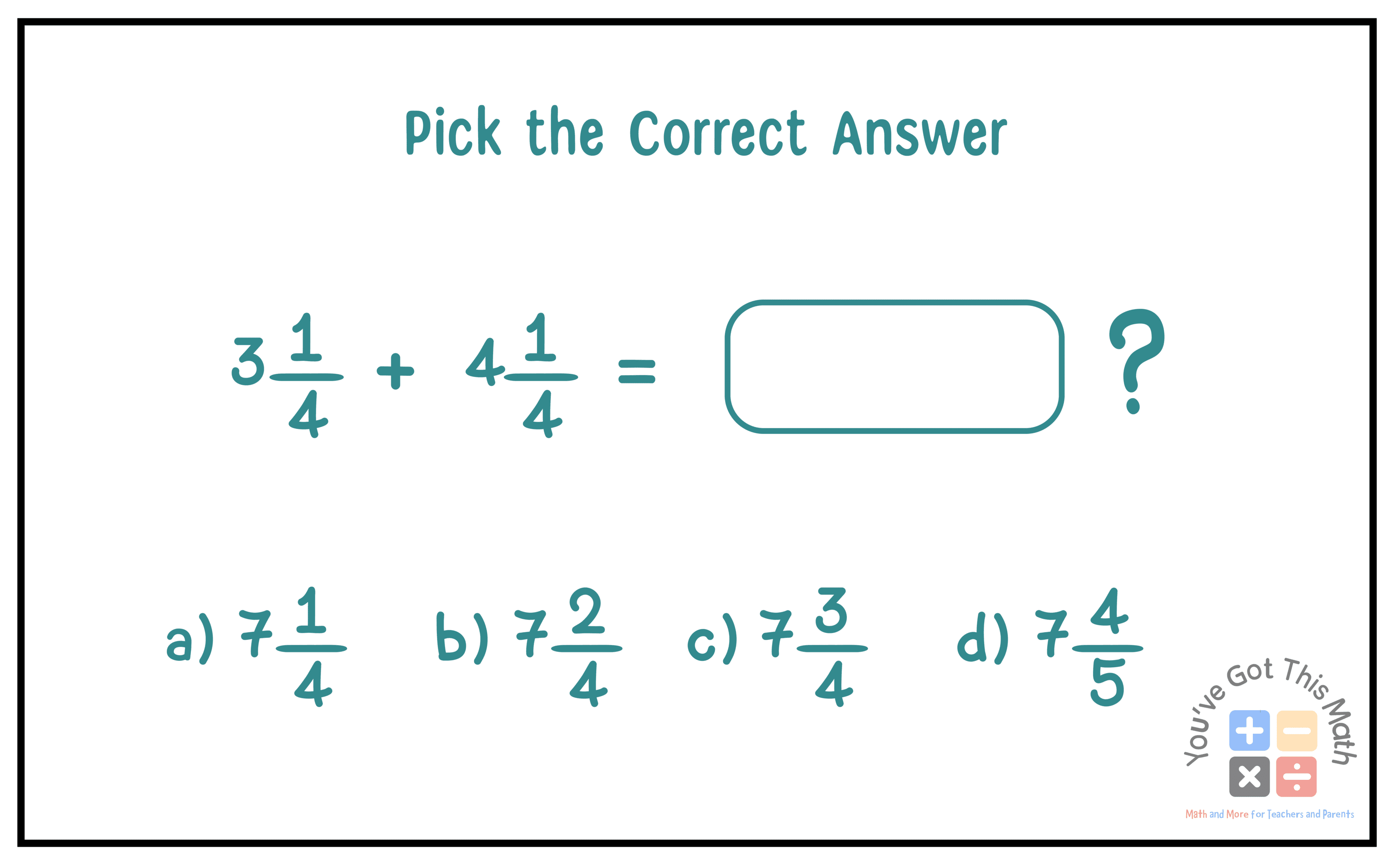
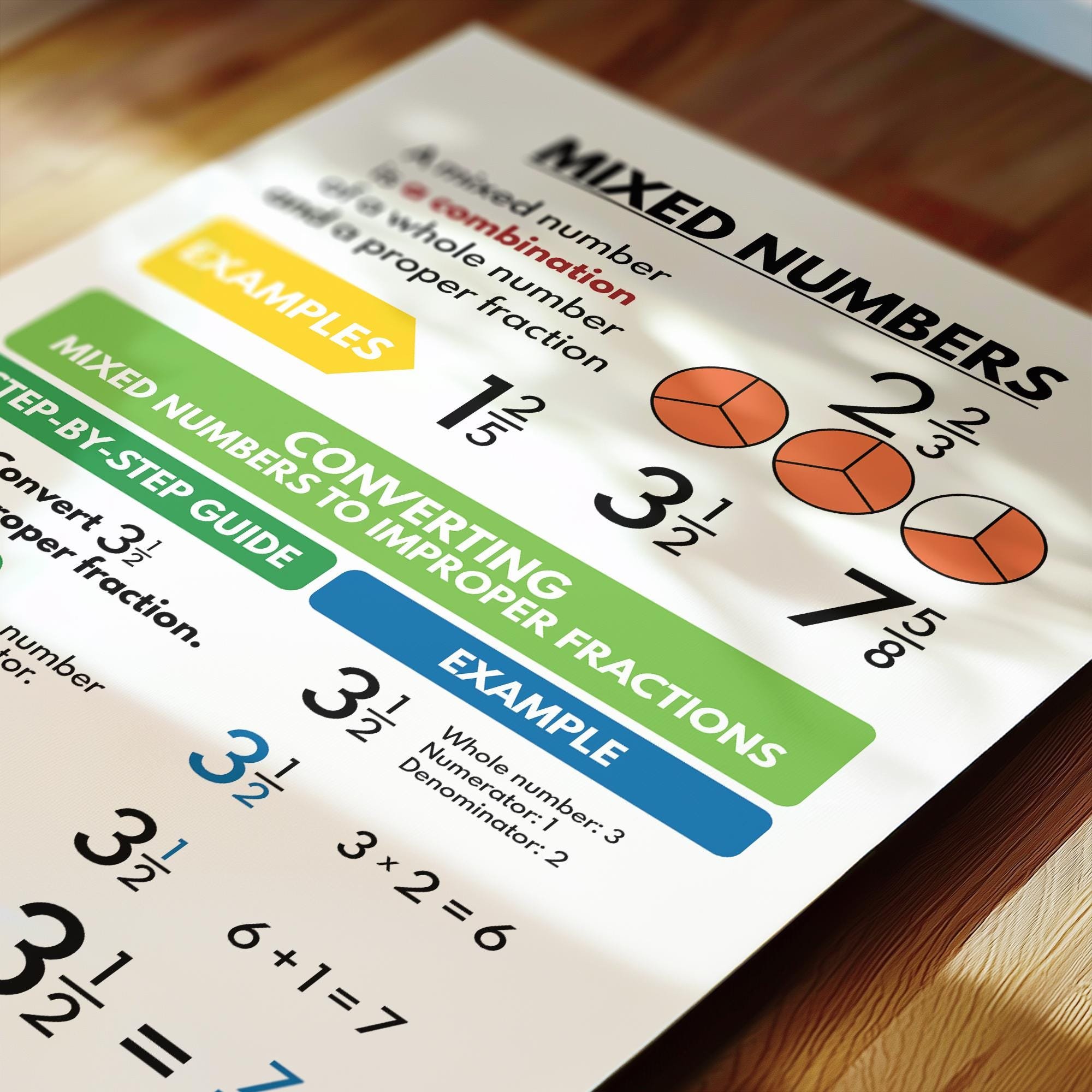
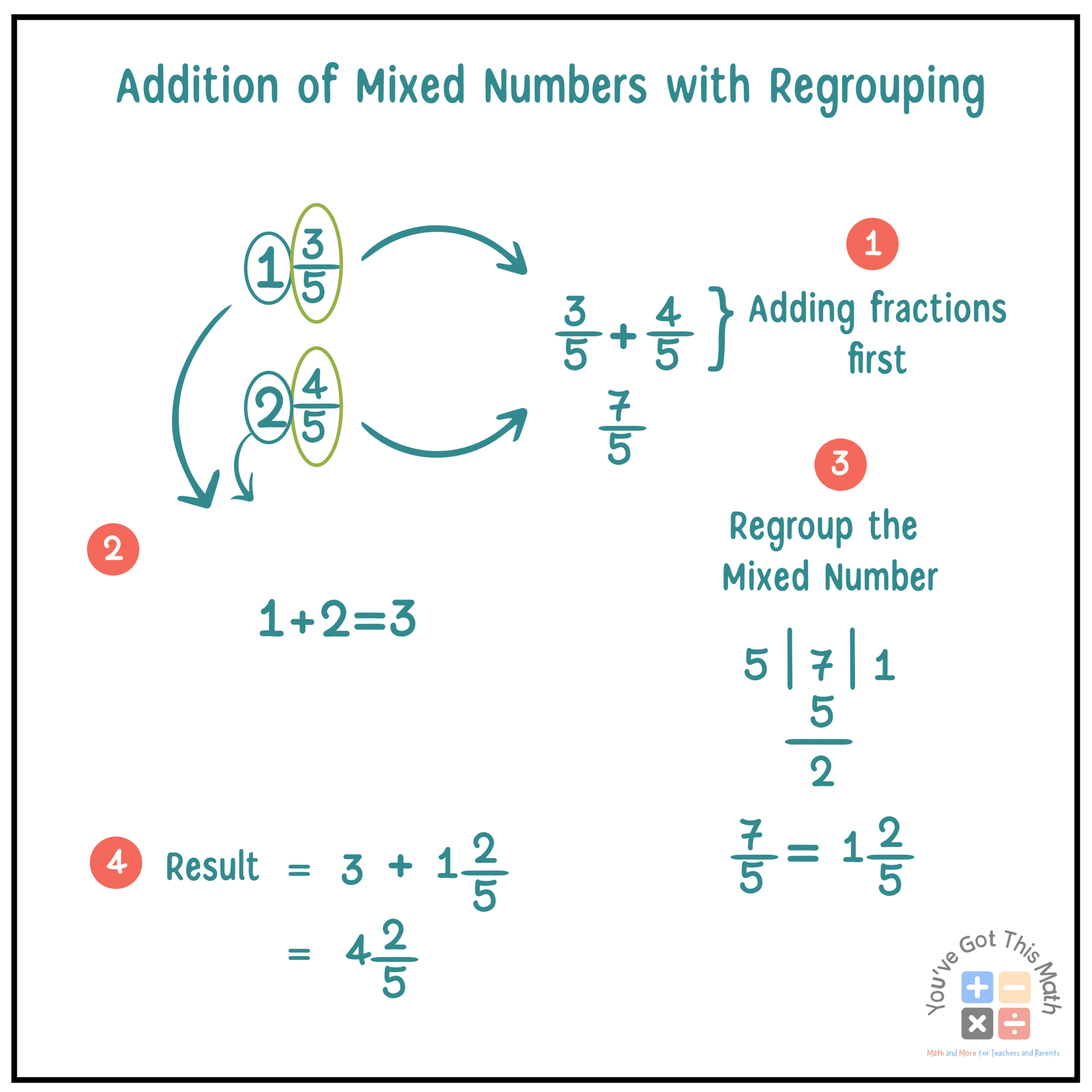
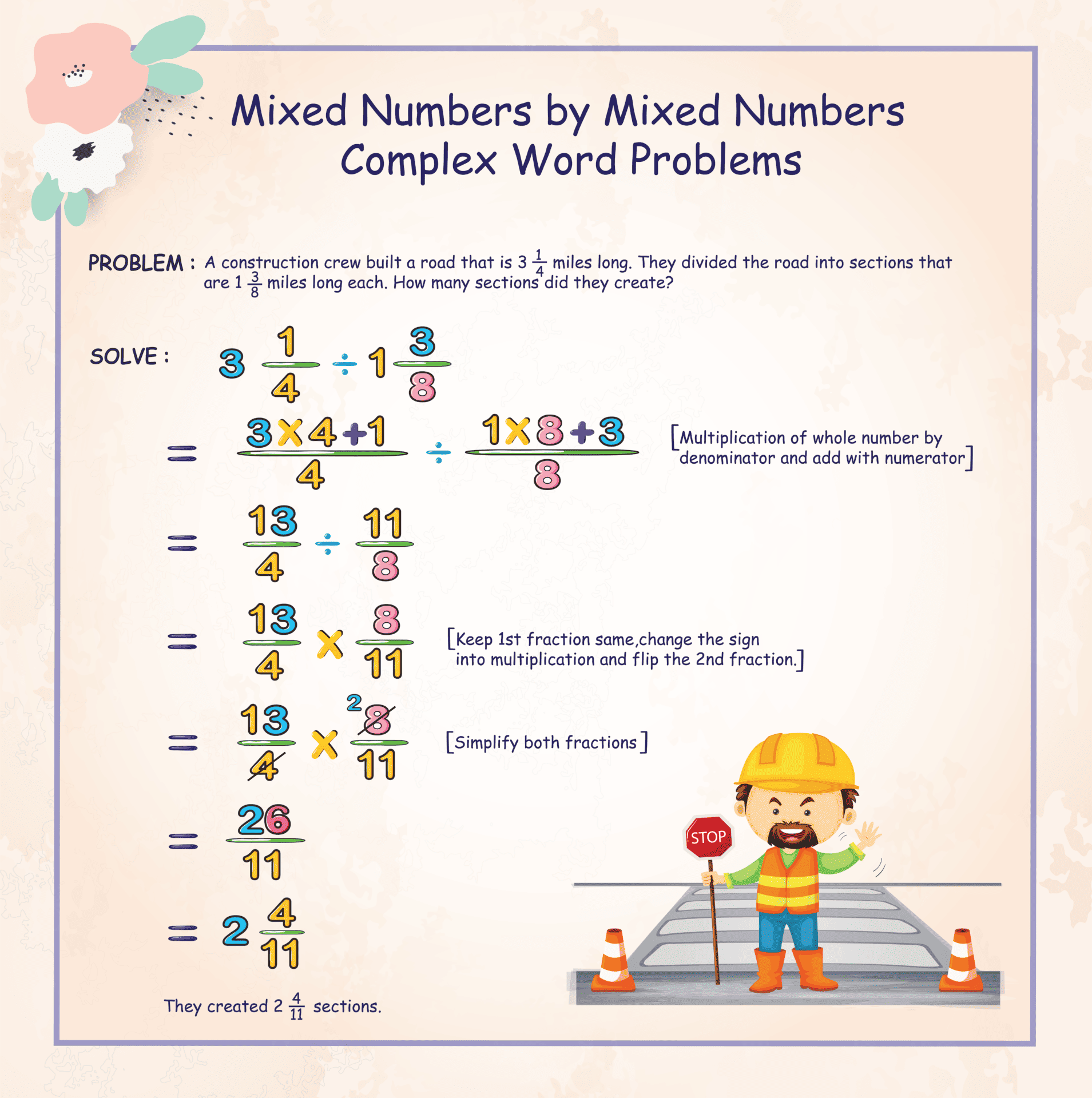
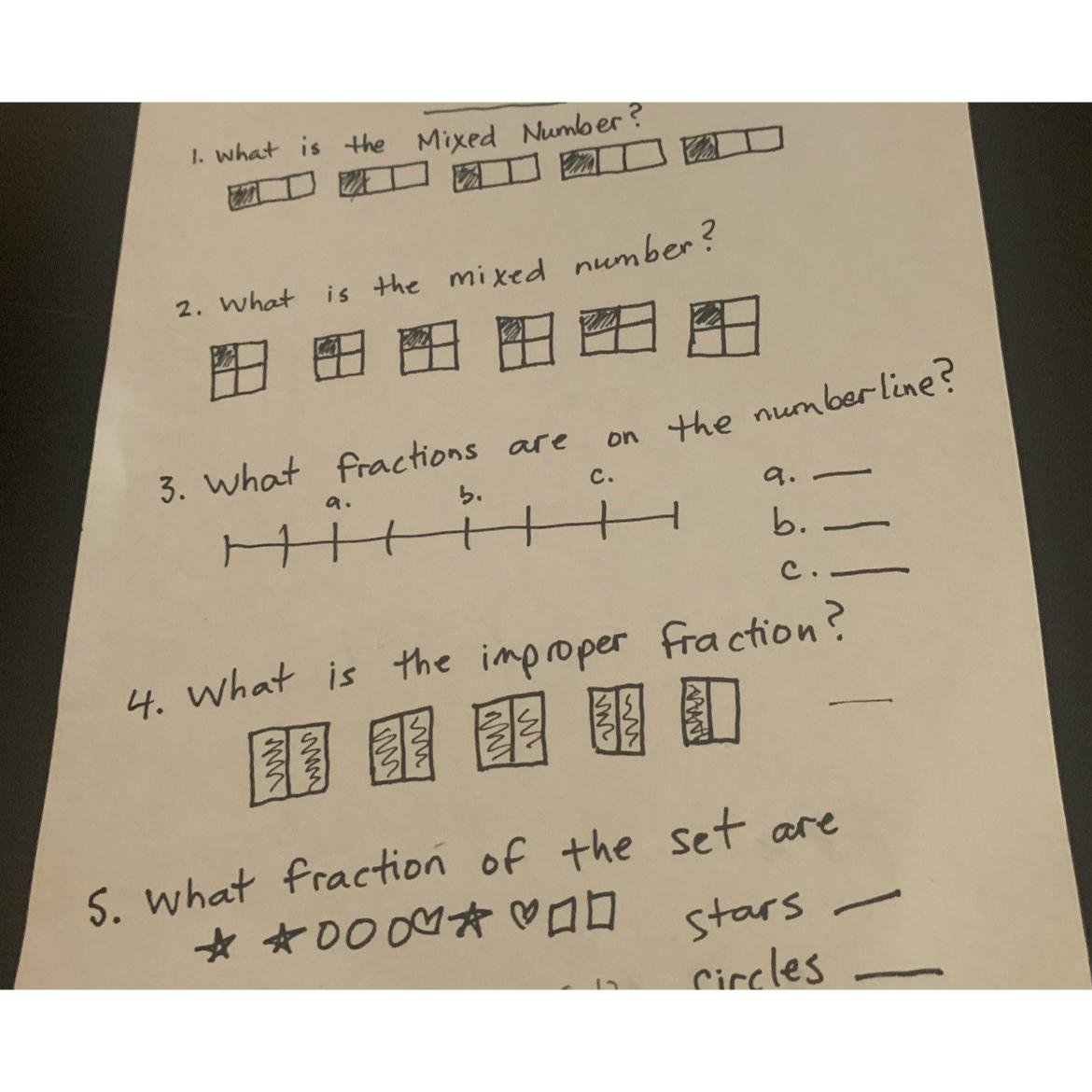
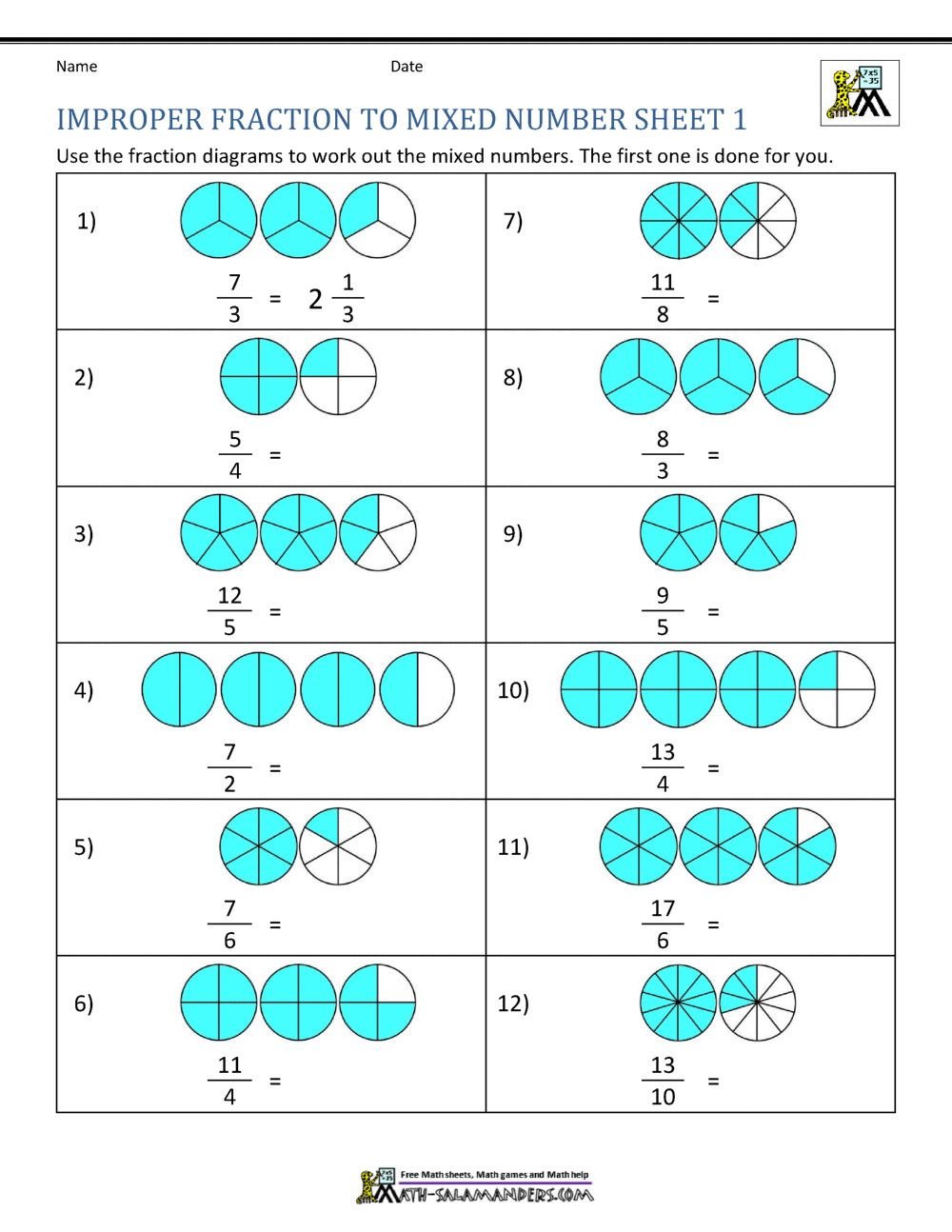
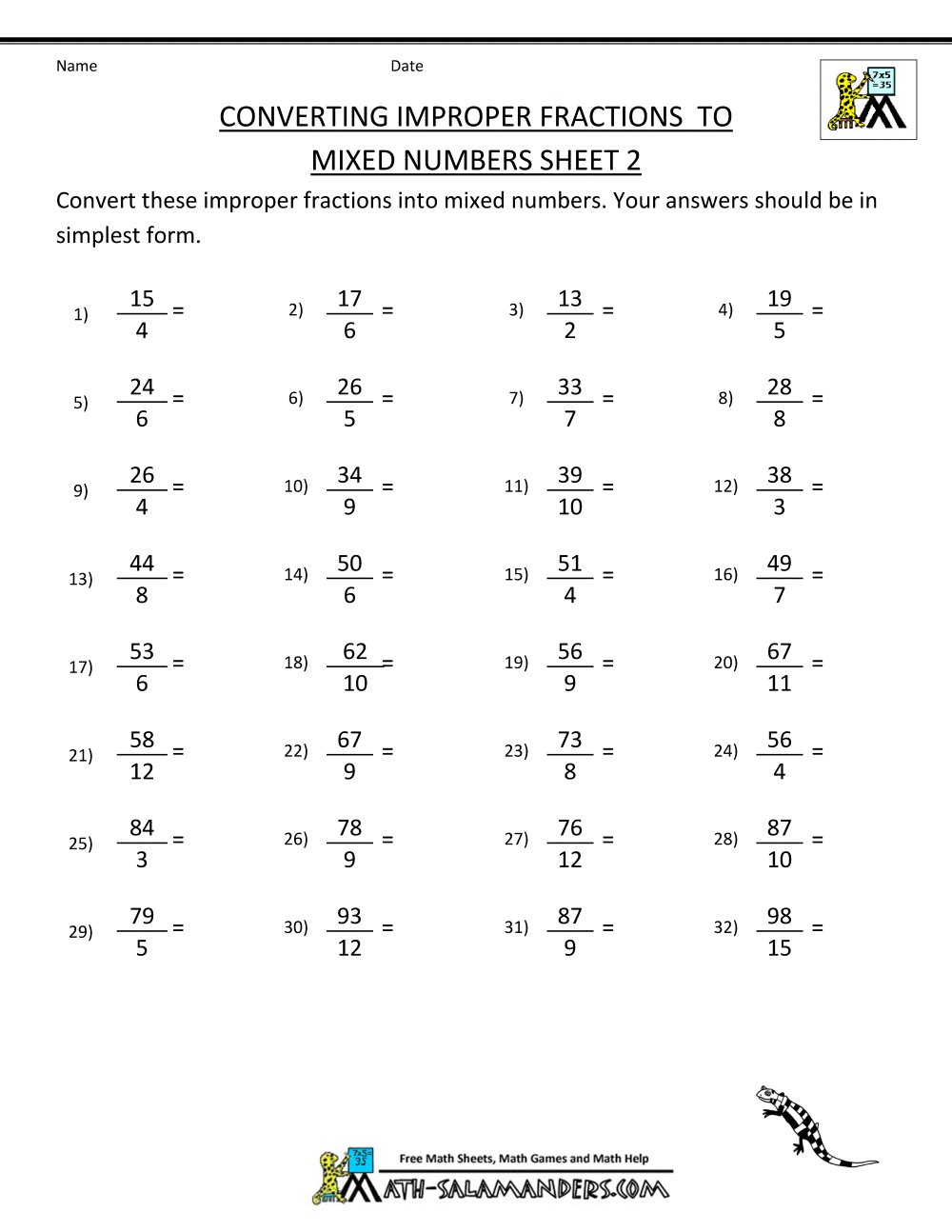
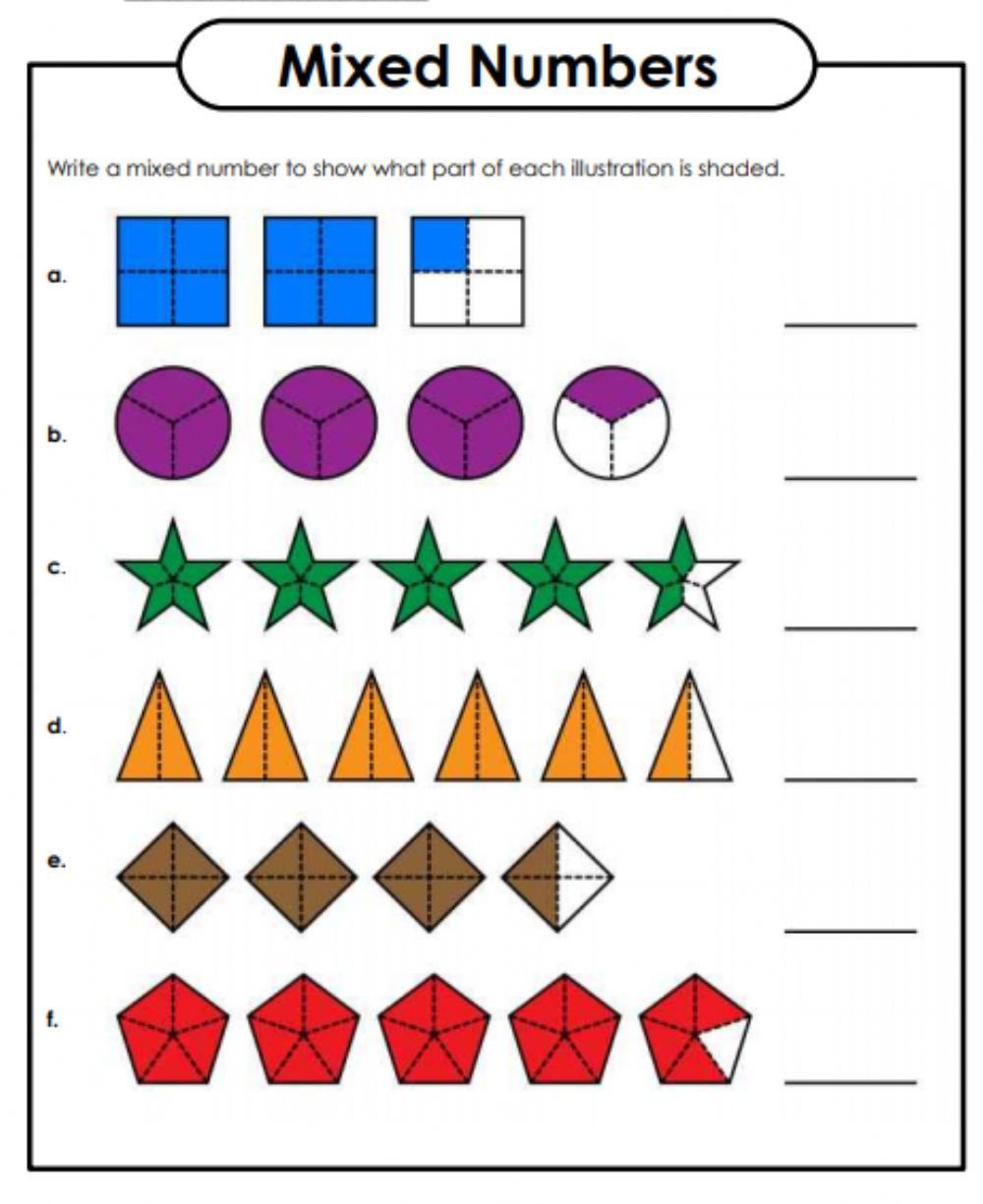
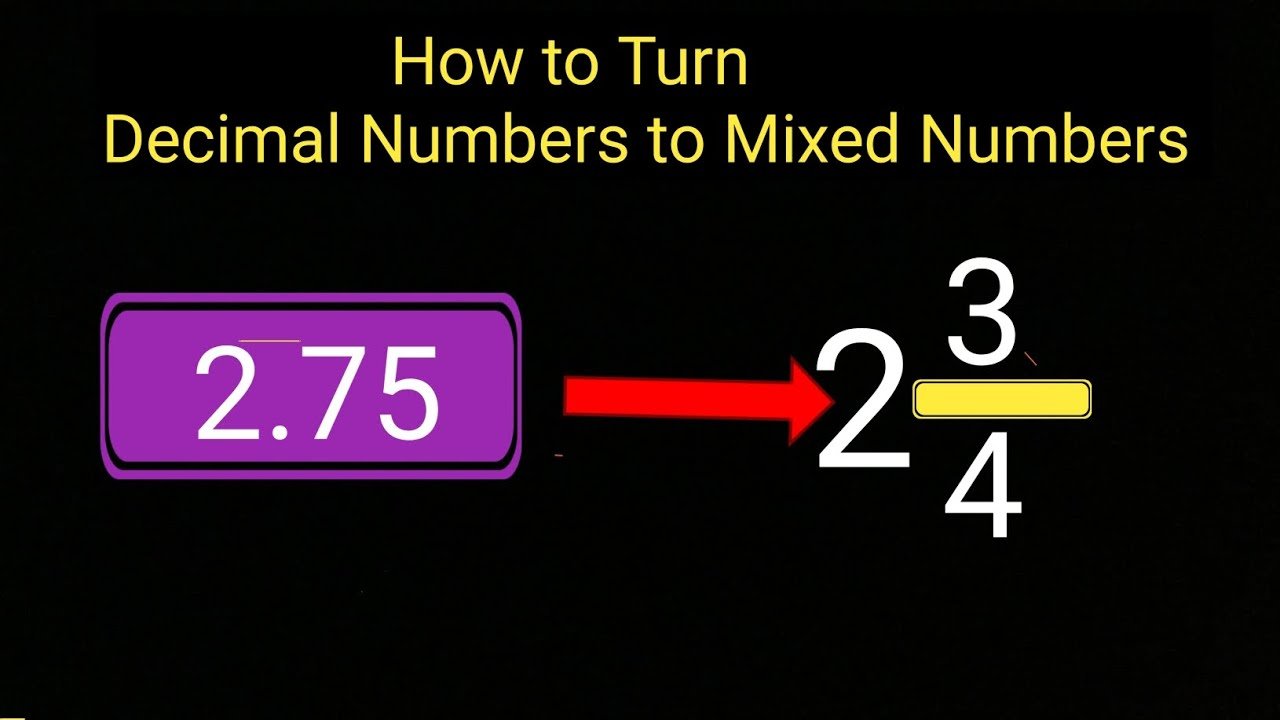
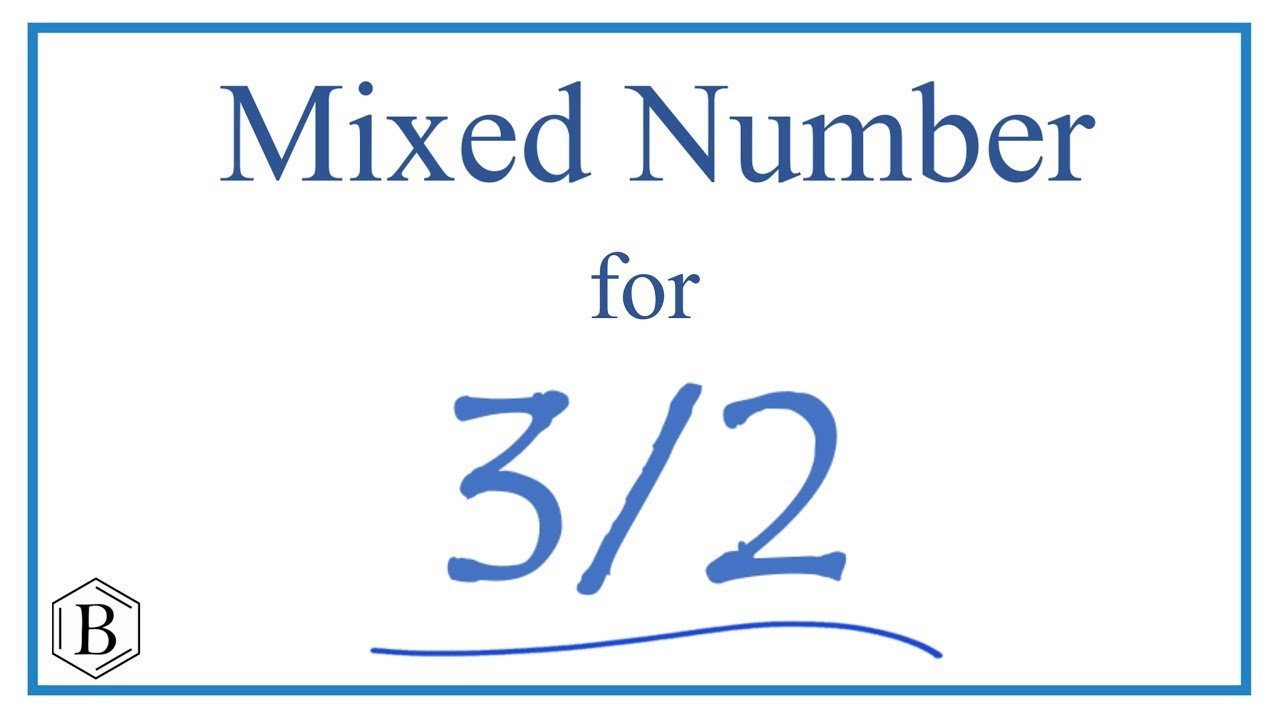
To convert an improper fraction to a mixed number, divide the numerator by the denominator. The quotient becomes the whole number, and the remainder becomes the numerator of the new fraction, with the original denominator.
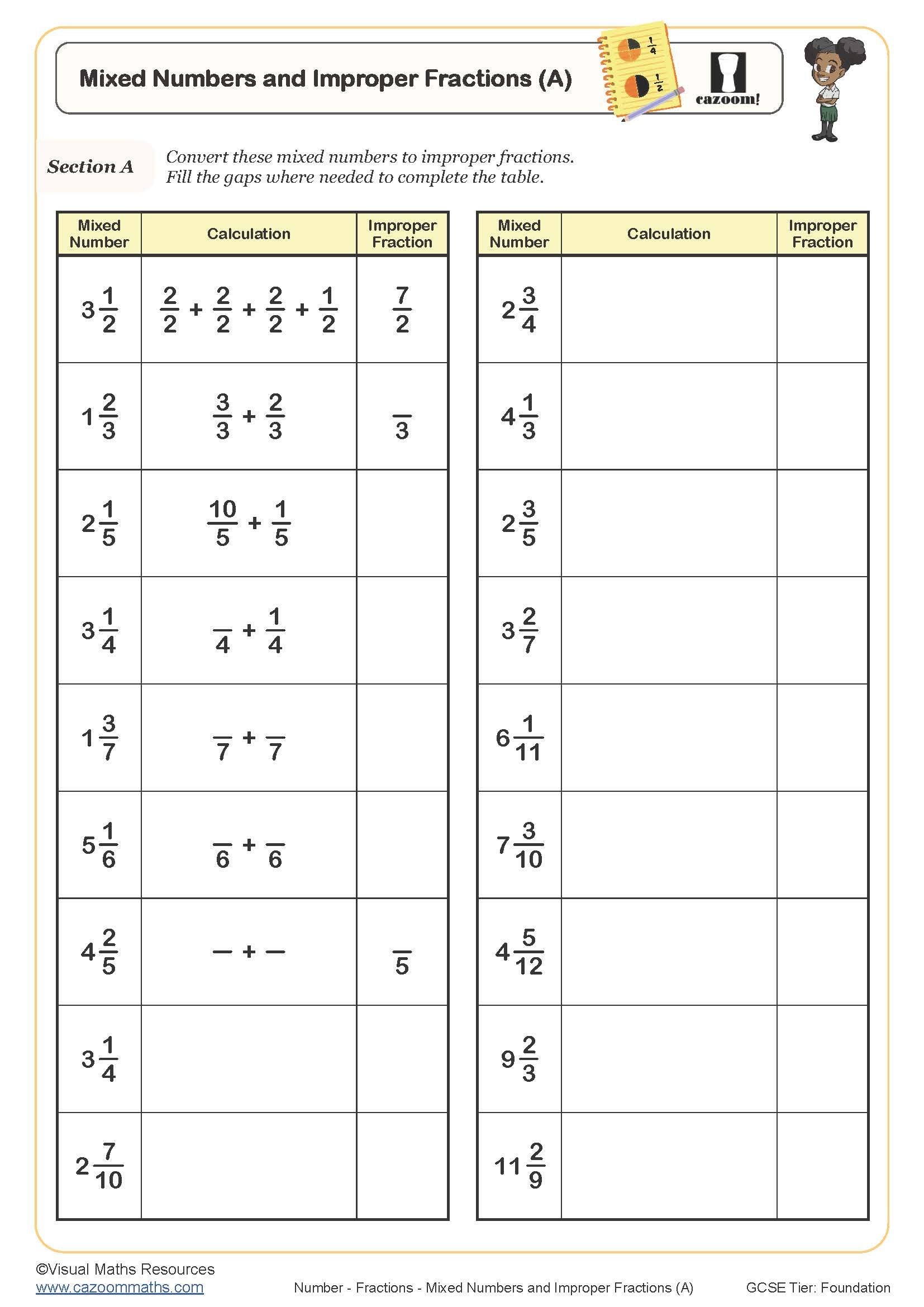
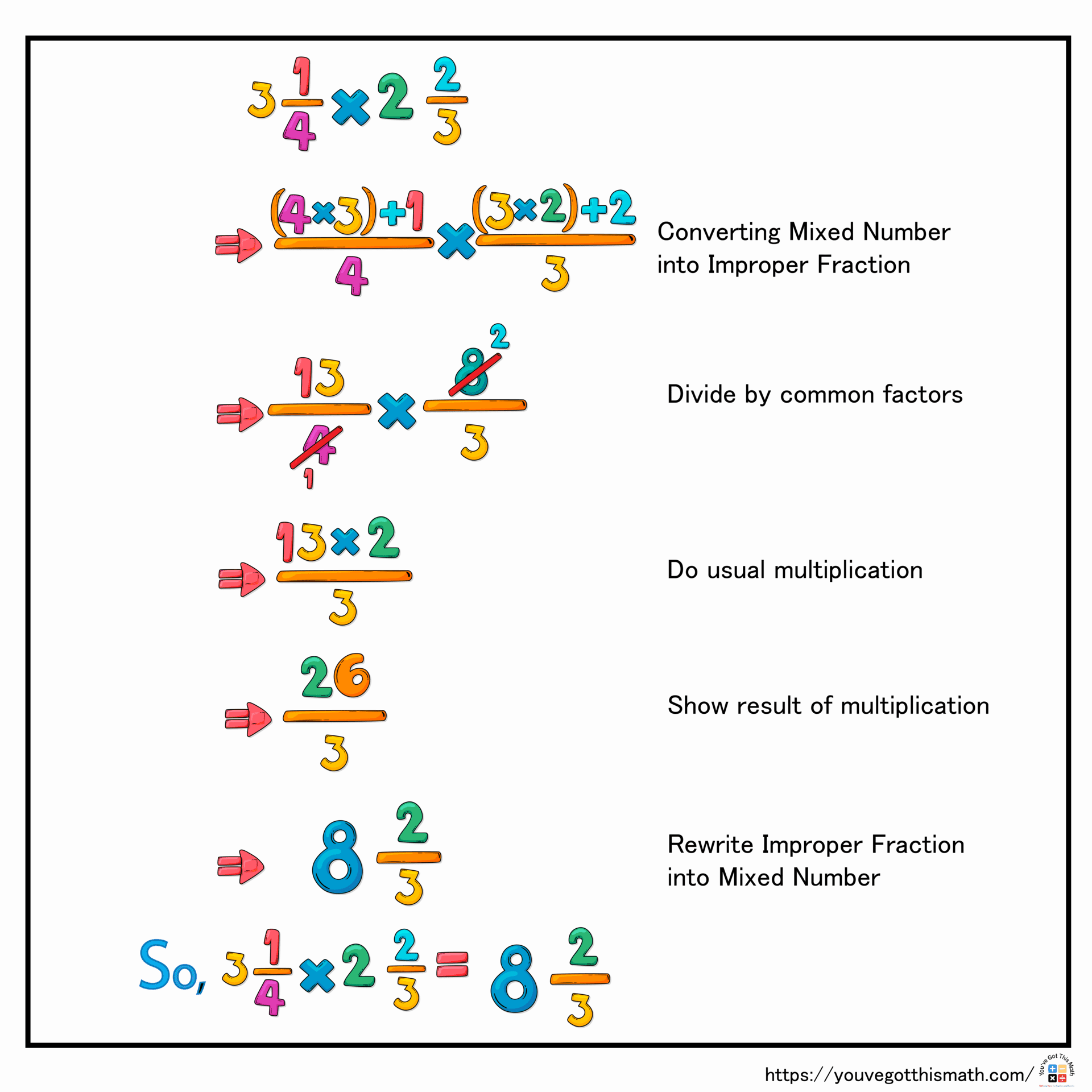
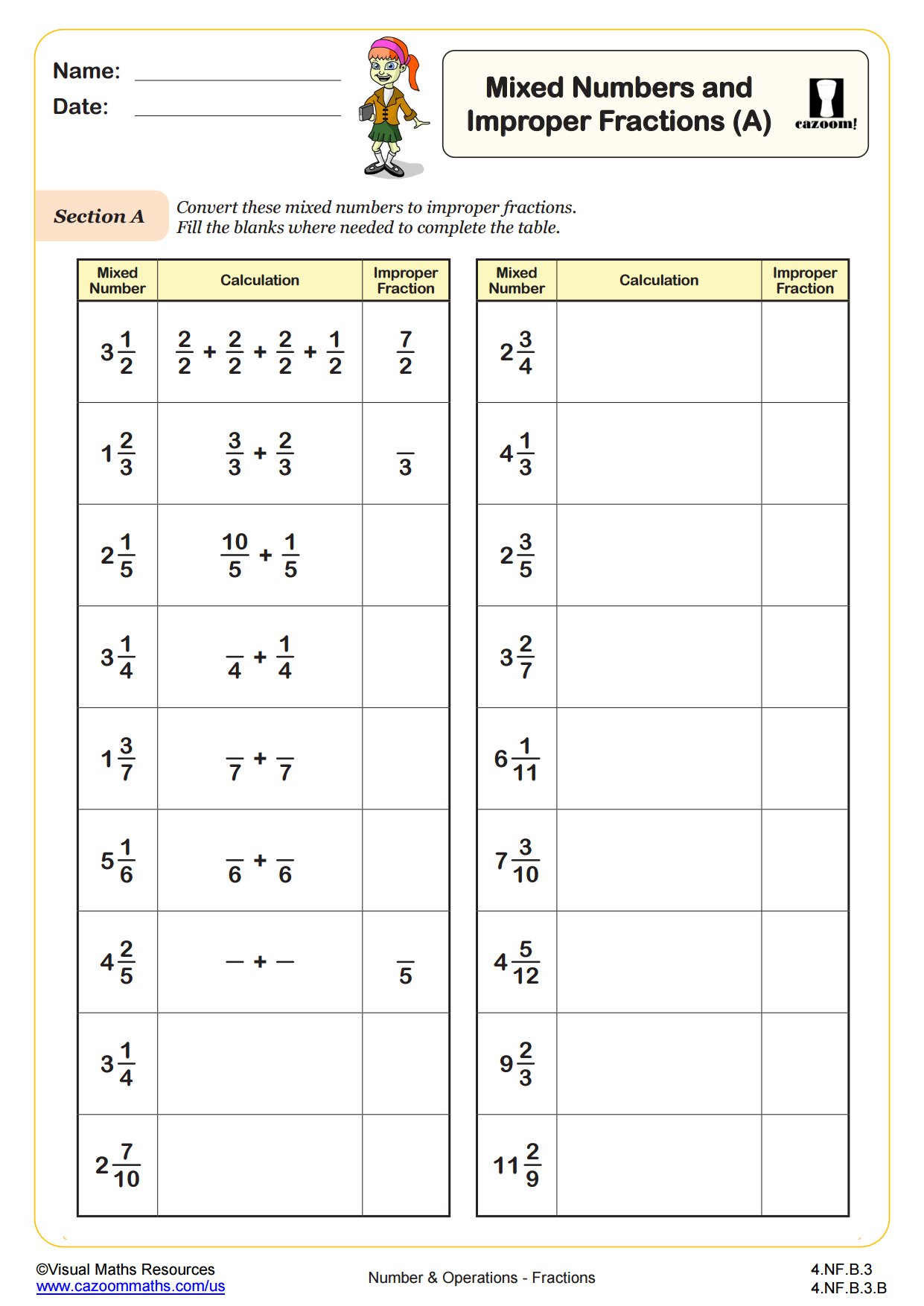
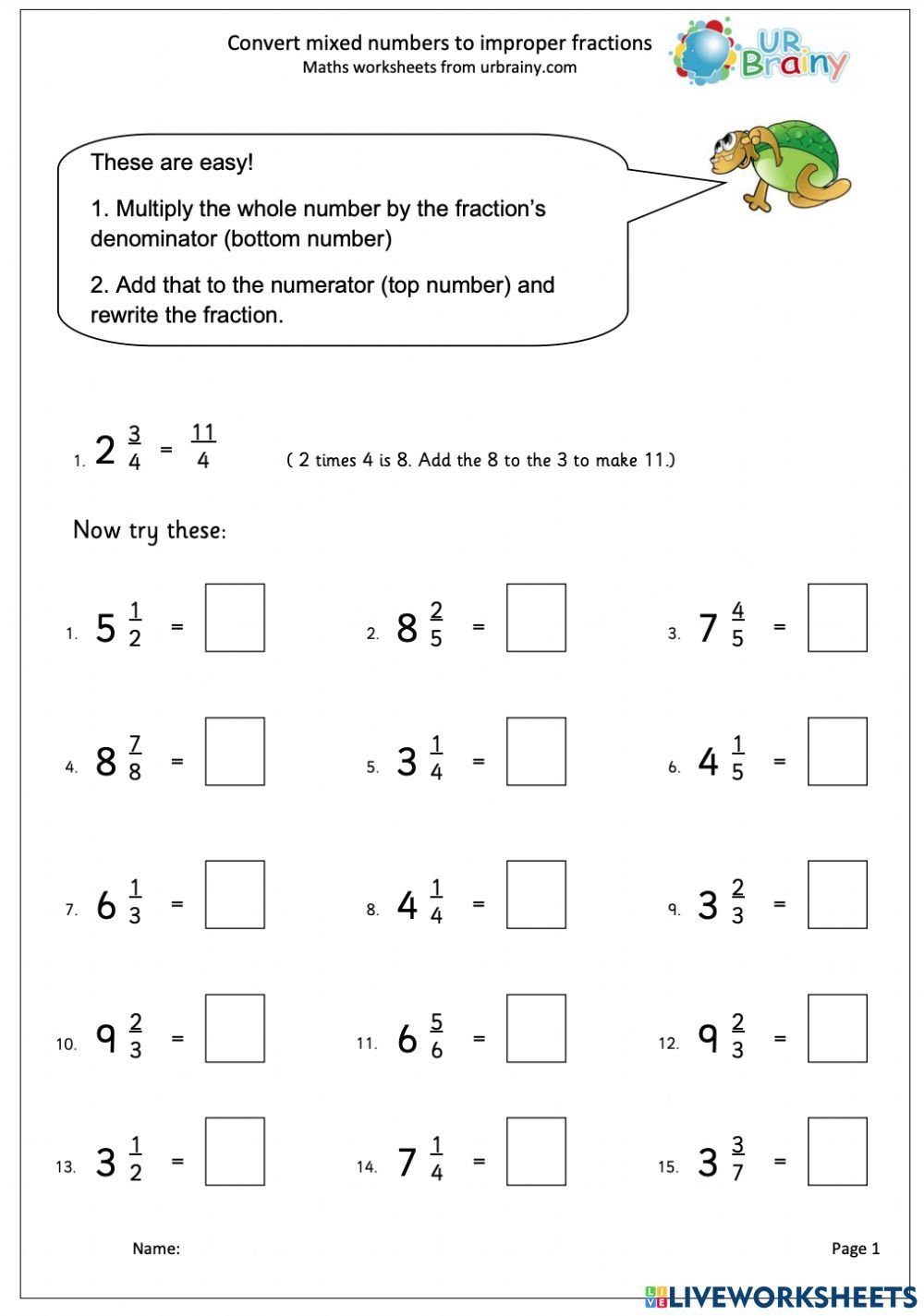
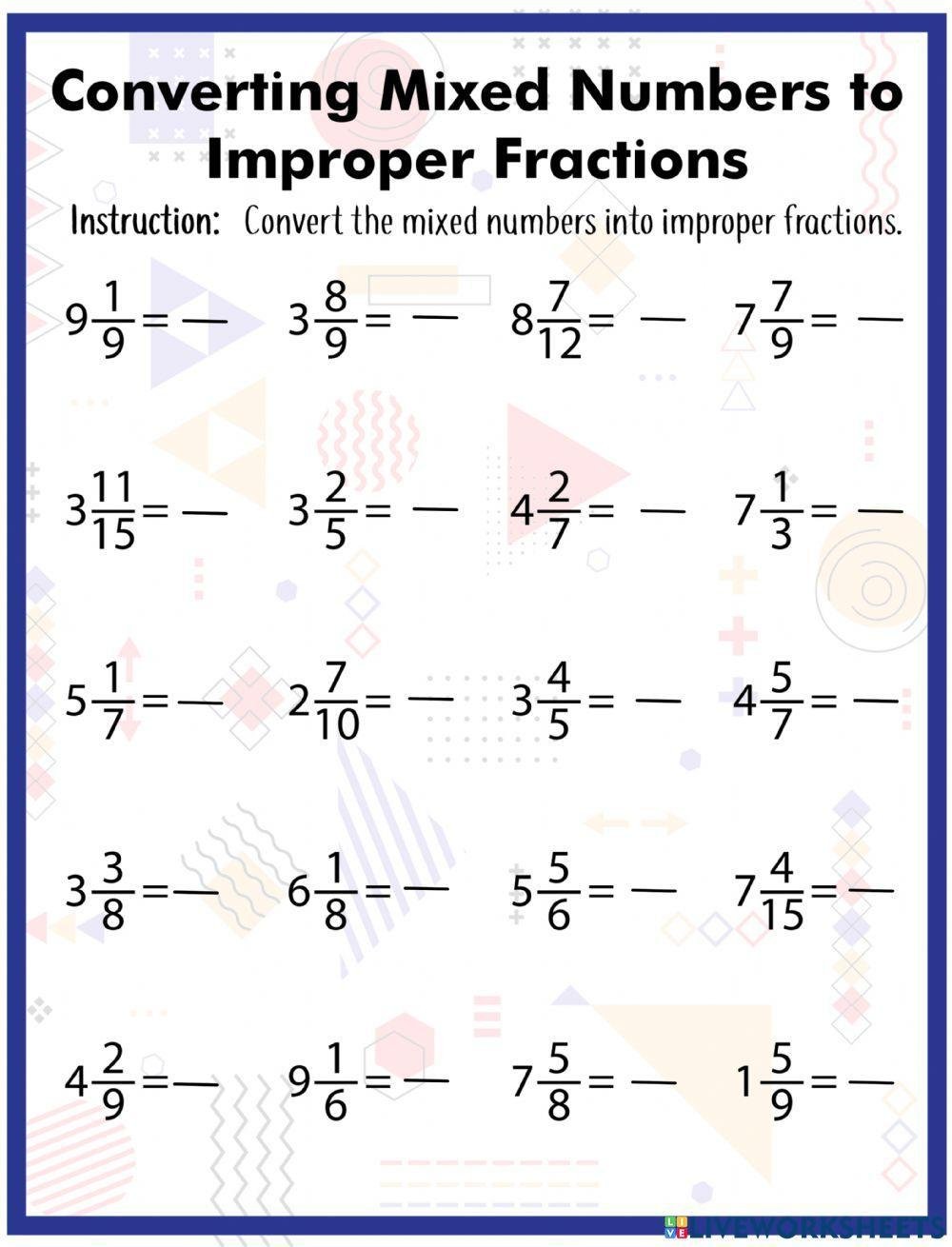
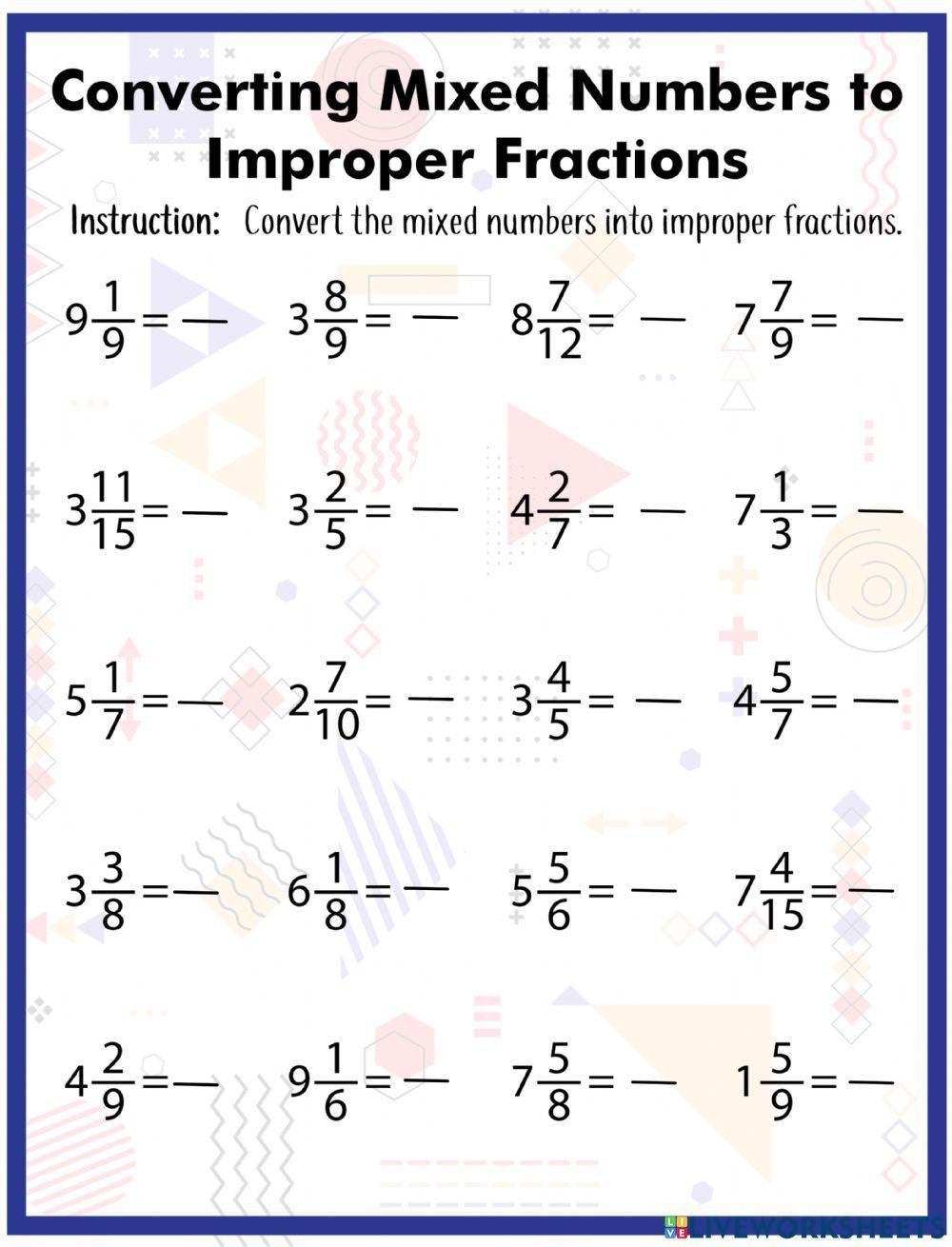
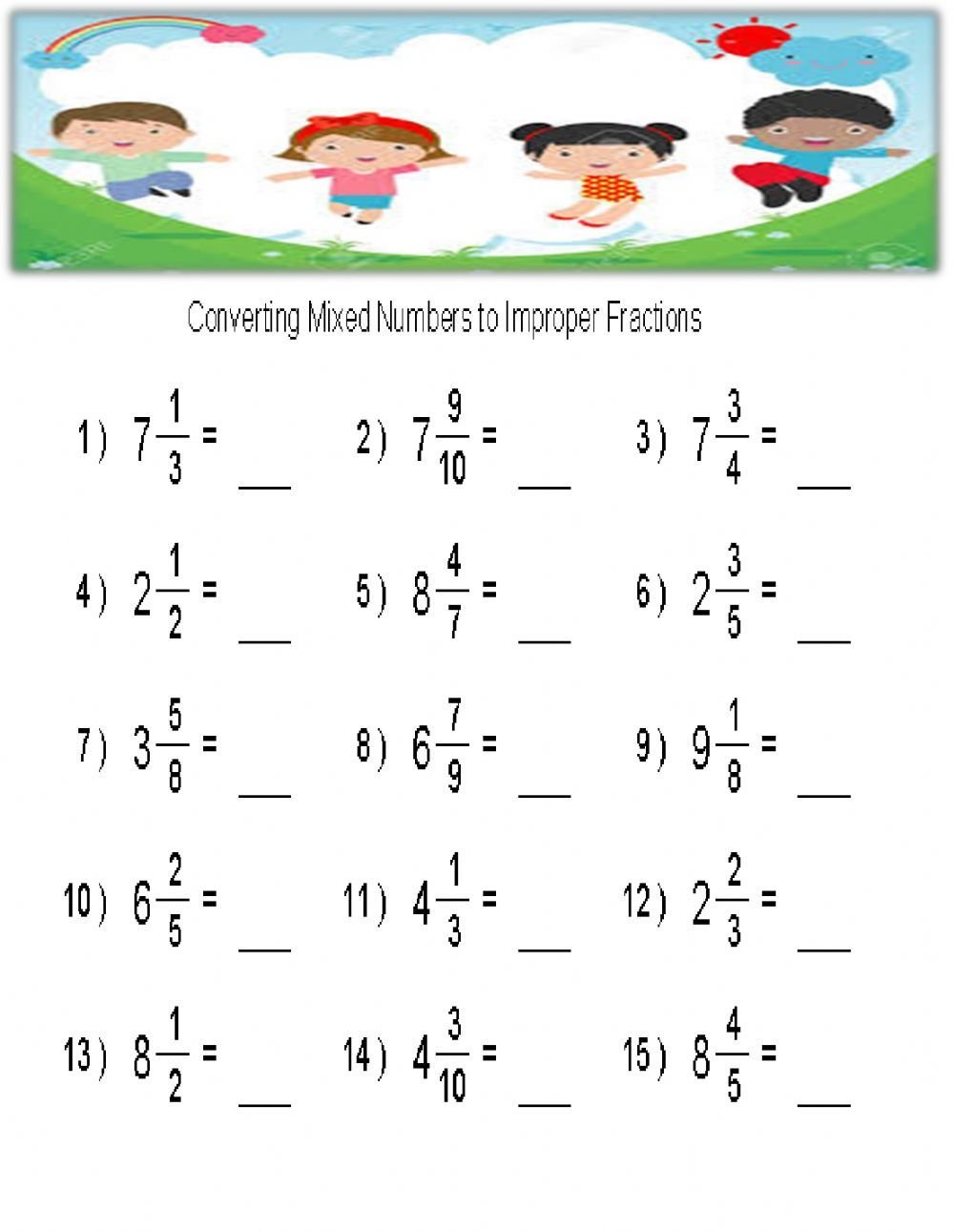
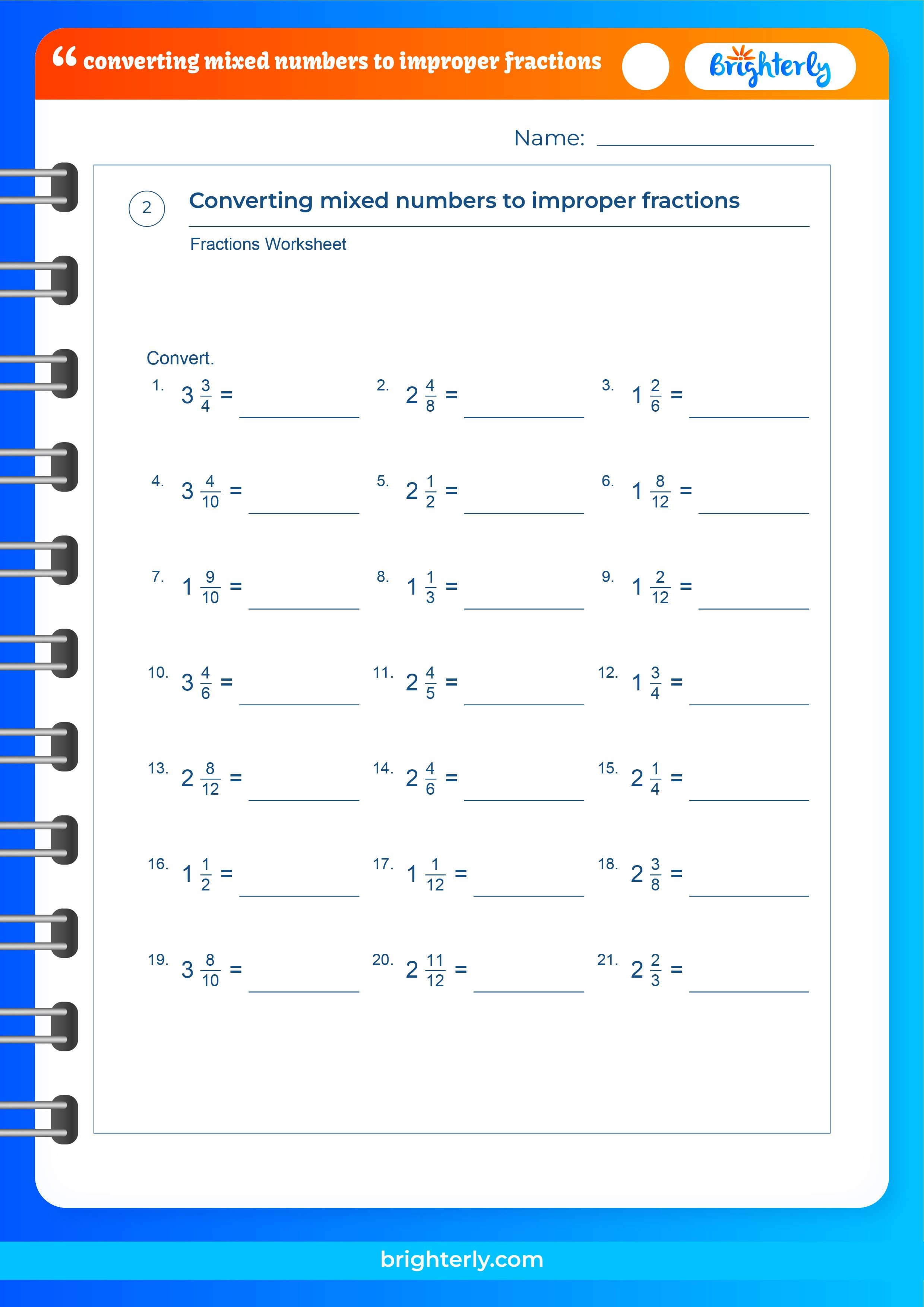
For the reverse process, you can multiply the whole number by the denominator and add the result to the numerator of the fraction. Then, express this sum over the original denominator. You can also compare this directly with pixelated color by number game blank to see how they stack up.
Real-World Applications
Mixed numbers are not just theoretical concepts; they have practical applications:
Engineering: In construction, mixed numbers can represent dimensions like 3 1/2 feet or 2 3/8 inches, providing precise measurements.
Cooking: Recipes often use mixed numbers to indicate ingredient quantities, e.g., 1 1/3 cups of flour. For a closer look at something similar, my post on meaning of conflict in a story covers the details.
Finance: Financial calculations may involve mixed numbers, especially when dealing with percentages and ratios.
When to Use a Mixed Number Calculator
A mixed number calculator is a valuable tool for various scenarios:
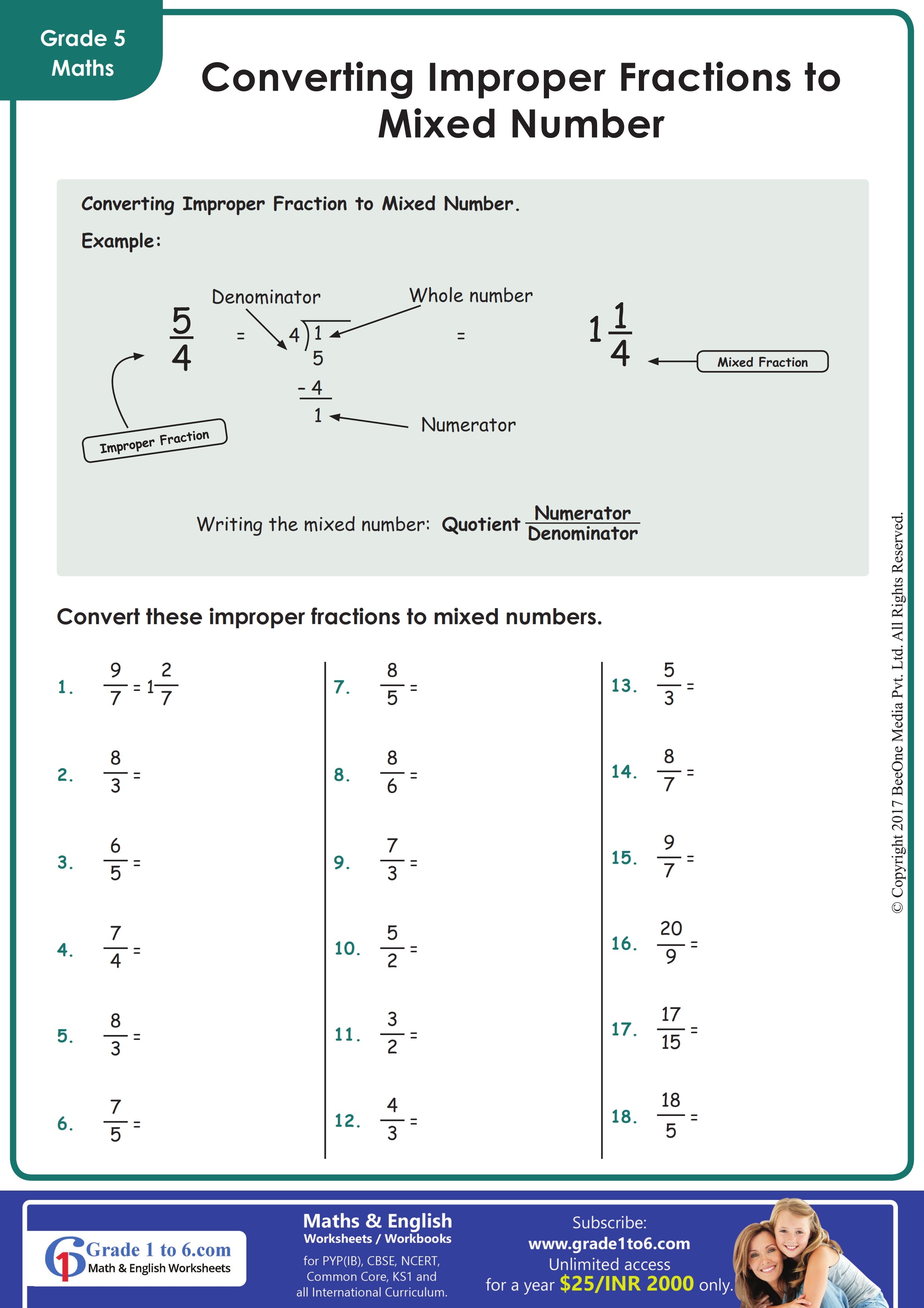
Homework Help: Students can use these calculators to check their work and understand the conversion process.
Quick Calculations: For rapid conversions, especially with large numbers, a calculator can save time.
Complex Problems: In more intricate mathematical problems, a calculator ensures accurate results.
Understanding mixed numbers and their conversions is a fundamental skill in mathematics. With the right tools and knowledge, these concepts become accessible and practical.