Allergies are a common phenomenon that affects millions of people worldwide. They occur when the body’s immune system overreacts to a harmless substance, such as pollen, dust, or certain foods, leading to a wide range of symptoms. These symptoms can range from mild discomfort to life-threatening reactions, making it essential to find effective ways to manage them. Over-the-counter (OTC) allergy medicines have become a popular choice for many individuals seeking quick relief from their allergy symptoms. In this article, we will delve into the world of OTC allergy medicines, exploring their types, effectiveness, and potential side effects.
Understanding Allergies Before we dive into the realm of OTC allergy medicines, it’s crucial to understand how allergies work. Allergies are essentially an overreaction of the immune system to a perceived threat. When an allergen enters the body, the immune system releases chemical mediators, such as histamine, to combat the invader. These chemicals cause blood vessels to dilate, leading to increased blood flow, and smooth muscle to contract, resulting in symptoms like congestion, sneezing, and itchiness.
Types of OTC Allergy Medicines There are several types of OTC allergy medicines available, each targeting different aspects of the allergic response. The most common categories include:
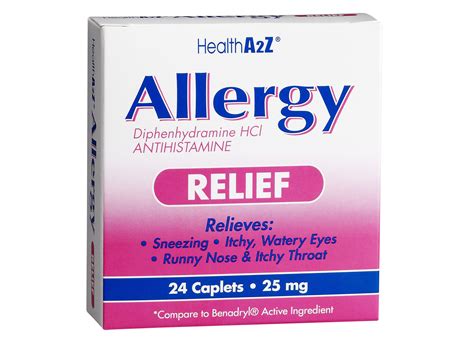
- Antihistamines: These medicines work by blocking the action of histamine, a chemical mediator released during an allergic reaction. Antihistamines are available in various forms, including tablets, capsules, liquids, and nasal sprays. Popular OTC antihistamines include diphenhydramine (Benadryl), loratadine (Claritin), and cetirizine (Zyrtec).
- Decongestants: Decongestants help relieve nasal congestion by reducing swelling in the nasal passages. They can be found in tablet or spray form and often contain ingredients like pseudoephedrine (Sudafed) or phenylephrine (Sudafed PE).
- Combination Products: Many OTC allergy medicines combine antihistamines and decongestants to provide relief from multiple symptoms. Examples include Claritin-D and Zyrtec-D.
- Nasal Corticosteroids: These medicines are available in nasal spray form and work by reducing inflammation in the nasal passages. Fluticasone (Flonase) and triamcinolone (Nasacort) are popular OTC nasal corticosteroids.
Effectiveness of OTC Allergy Medicines OTC allergy medicines can be highly effective in managing mild to moderate allergy symptoms. Antihistamines, for example, are excellent at relieving itchiness, sneezing, and runny nose. Decongestants, on the other hand, provide quick relief from nasal congestion. Combination products can offer the benefits of both antihistamines and decongestants, making them a popular choice for many individuals.
However, it’s essential to note that OTC allergy medicines may not be as effective for severe allergy symptoms or allergies that involve the eyes, such as conjunctivitis. In these cases, prescription medications or immunotherapy may be necessary.
Potential Side Effects While OTC allergy medicines are generally safe, they can cause side effects, especially when taken in excess or for extended periods. Common side effects include:
- Drowsiness or dizziness (antihistamines)
- Insomnia or restlessness (decongestants)
- Dry mouth or throat irritation (antihistamines and decongestants)
- Increased heart rate or blood pressure (decongestants)
- Nasal dryness or bleeding (nasal corticosteroids)
FAQ Section
What is the best OTC allergy medicine for seasonal allergies?
+The best OTC allergy medicine for seasonal allergies often depends on individual preferences and symptoms. However, combo products like Claritin-D or Zyrtec-D, which combine antihistamines and decongestants, are popular choices for relieving multiple symptoms.
Can I take OTC allergy medicines with other medications?
+It's essential to consult with your doctor or pharmacist before taking OTC allergy medicines with other medications, as interactions can occur. Certain medications, such as sedatives or tranquilizers, can increase the risk of side effects when combined with antihistamines.
Are OTC allergy medicines safe for children?
+OTC allergy medicines can be safe for children when used as directed. However, it's crucial to choose products specifically labeled for children and follow the recommended dosage instructions. Always consult with your pediatrician before giving your child any medication.
Conclusion OTC allergy medicines can provide quick and effective relief from allergy symptoms, making them a popular choice for many individuals. However, it’s essential to understand the different types of OTC allergy medicines, their effectiveness, and potential side effects. By choosing the right medication and following the recommended dosage, individuals can manage their allergy symptoms and improve their quality of life. Remember to always consult with your healthcare provider if you have severe allergy symptoms or concerns about medication interactions.