The advent of at-home paternity test kits has revolutionized the way individuals can determine paternity, offering a convenient, private, and relatively affordable solution compared to traditional medical or legal routes. These kits allow individuals to collect DNA samples in the comfort of their own homes, which are then sent to a laboratory for analysis. The question on many minds, however, is whether these tests are as accurate as their clinical counterparts. To delve into this, let’s first understand how at-home paternity tests work and the science behind their accuracy.
How At-Home Paternity Tests Work
At-home paternity tests typically involve a buccal swab, which is used to collect cheek cells from the alleged father and the child. Sometimes, a sample from the mother is also requested, although it’s not always necessary. The cheek cells contain DNA, which is then analyzed at a laboratory to determine if there’s a match between the alleged father and the child.
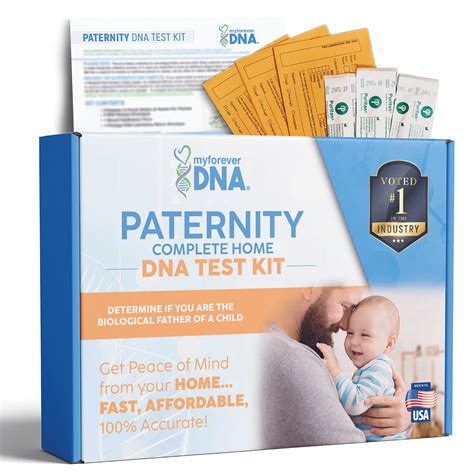
- Kit Receipt and Sample Collection: The individual purchases an at-home paternity test kit, which usually includes cheek swabs, instructions, and containers to store the samples.
- Sample Submission: The collected DNA samples are sent to the testing facility in the provided envelopes or containers.
- DNA Analysis: At the laboratory, the DNA from the cheek cells is extracted and analyzed. This process involves examining specific DNA markers to see if they match between the alleged father and the child.
- Results: The results are then communicated back to the individual, typically indicating the probability of paternity.
The Science Behind the Accuracy
The accuracy of at-home paternity tests hinges on the analysis of short tandem repeat (STR) markers in the DNA. STRs are sequences of DNA that are repeated a varying number of times in an individual’s genome. By comparing the number of repeats at specific locations in the DNA of the alleged father and the child, laboratories can determine the likelihood of a paternal relationship.
- STR Markers: Most tests examine between 15 to 20 STR markers. The more markers that match, the higher the probability of paternity.
- Probability of Paternity: Results are usually expressed as a probability of paternity (PPT), which indicates the chances that the alleged father is indeed the biological father. A result of 0% indicates exclusion of paternity (the alleged father is not the biological father), while a result of 99.99% or higher is considered a positive confirmation of paternity.
Factors Influencing Accuracy
Several factors can influence the accuracy of at-home paternity tests, including:
- Sample Contamination: If the samples are contaminated with DNA from other individuals, this can lead to inaccurate results.
- Incorrect Sample Collection: Failure to follow the instructions correctly can compromise the test’s accuracy.
- Laboratory Error: Although rare, errors can occur during the analysis process.
- Twins or Close Relatives: In cases where the alleged fathers are twins or close relatives, the test may not be able to distinguish between them accurately.
Ensuring High Accuracy
To ensure the highest accuracy possible with an at-home paternity test:
- Choose a Reputable Company: Ensure the company is accredited by recognized bodies such as the AABB (American Association of Blood Banks) or the ISO (International Organization for Standardization).
- Follow Instructions Carefully: Adhere strictly to the sample collection and submission instructions.
- Consider a Medical Setting: For legal purposes or if controversy is anticipated, consider having the test conducted in a medical setting where the sample collection can be witnessed and the chain of custody maintained.
Conclusion
At-home paternity tests can provide accurate results when conducted properly and through a reputable testing facility. Understanding the science behind these tests and following the necessary protocols can help individuals make informed decisions about paternity. However, for situations requiring legal proof of paternity, it’s advisable to consult with a legal professional, as at-home tests may not meet the legal standards for evidence in many jurisdictions.
How long does it take to get the results of an at-home paternity test?
+The time it takes to receive the results of an at-home paternity test can vary depending on the testing facility and the shipping method used to send the samples. Typically, results are available within 3 to 5 business days after the laboratory receives the samples, but some facilities may offer expedited services for an additional fee.
Can at-home paternity tests be used as legal proof of paternity?
+No, at-home paternity tests are not considered legal proof of paternity. For legal purposes, such as child custody or support cases, paternity tests must be conducted in a medical facility where the sample collection can be witnessed and the chain of custody maintained. At-home tests do not meet these legal standards.
How accurate are at-home paternity tests?
+When conducted through a reputable testing facility and following proper sample collection and submission procedures, at-home paternity tests can be highly accurate, with results indicating a probability of paternity of 99.99% or higher in cases of inclusion.