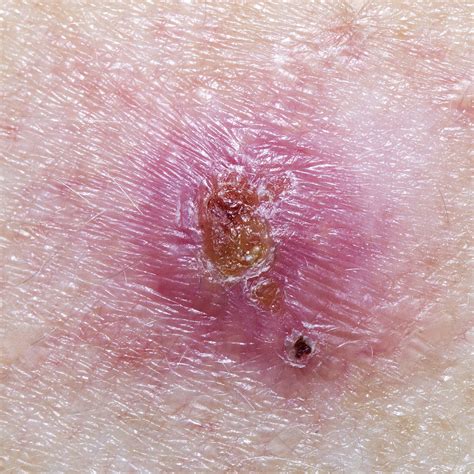
Basal cell removal is a medical procedure used to treat basal cell carcinoma, the most common form of skin cancer. This type of cancer develops in the basal cell layer of the skin, which is the deepest layer of the epidermis. Basal cell carcinoma is often caused by exposure to ultraviolet (UV) radiation from the sun or tanning beds, and it can appear as a small, shiny bump or a flat, red patch on the skin.
Understanding Basal Cell Carcinoma
Before discussing basal cell removal, it’s essential to understand the nature of basal cell carcinoma. This type of skin cancer is typically slow-growing and rarely spreads to other parts of the body. However, if left untreated, it can invade surrounding tissue and cause significant damage. Basal cell carcinoma can appear on any part of the body, but it’s most common on areas that receive frequent sun exposure, such as the face, neck, and hands.
Diagnosis of Basal Cell Carcinoma
Diagnosing basal cell carcinoma usually involves a combination of visual examination and biopsy. During a visual examination, a doctor will look for signs of skin cancer, such as unusual growths or changes in the skin’s appearance. If a suspicious area is found, a biopsy will be performed to examine the cells and determine if they are cancerous. There are several types of biopsies, including shave biopsies, punch biopsies, and excisional biopsies.
Basal Cell Removal Methods
There are several methods for basal cell removal, and the most appropriate method will depend on the size, location, and depth of the tumor, as well as the patient’s overall health. Some common methods include:
- Surgical Excision: This involves cutting out the tumor and a surrounding margin of healthy skin. The area is then closed with stitches, and the removed tissue is sent to a laboratory for examination.
- Mohs Surgery: This is a specialized type of surgical excision that involves removing the tumor layer by layer, examining each layer under a microscope until no cancer cells are found. This method is often used for larger tumors or those in sensitive areas.
- Curettage and Electrodessication: This involves scraping out the tumor with a curette (a sharp, spoon-like instrument) and then using an electric needle to destroy any remaining cancer cells.
- Cryosurgery: This involves freezing the tumor with liquid nitrogen, which causes the cancer cells to die.
- Topical Treatments: For superficial basal cell carcinomas, topical treatments such as creams or gels may be used to kill the cancer cells.
Recovery and Aftercare
After basal cell removal, patients will need to follow a specific aftercare routine to promote healing and minimize the risk of complications. This may include keeping the wound clean and dry, applying topical ointments or creams, and avoiding strenuous activities. Patients should also follow up with their doctor to ensure the wound is healing properly and to remove any stitches or sutures.
Prevention of Basal Cell Carcinoma
While basal cell removal is an effective treatment for basal cell carcinoma, prevention is always the best course of action. To reduce the risk of developing basal cell carcinoma, individuals should:
- Use Sunscreen: Apply a broad-spectrum sunscreen with a Sun Protection Factor (SPF) of at least 30 daily, even on cloudy days.
- Seek Shade: Avoid spending time in the sun, especially during peak hours (10am-4pm).
- Wear Protective Clothing: Wear long-sleeved shirts, pants, and a wide-brimmed hat to protect the skin from the sun.
- Avoid Tanning Beds: Tanning beds emit UV radiation, which increases the risk of skin cancer.
Advanced Treatment Options
In some cases, basal cell carcinoma may require more advanced treatment options, such as:
- Radiation Therapy: This involves using high-energy rays to kill cancer cells.
- Targeted Therapy: This involves using medications that target specific molecules involved in the growth and spread of cancer cells.
- Immunotherapy: This involves using medications that stimulate the immune system to attack cancer cells.
Conclusion
Basal cell removal is a common and effective treatment for basal cell carcinoma. By understanding the diagnosis, treatment options, and prevention methods, individuals can take proactive steps to protect their skin and reduce the risk of skin cancer.
Frequently Asked Questions
What are the symptoms of basal cell carcinoma?
+Basal cell carcinoma can appear as a small, shiny bump or a flat, red patch on the skin. It may also bleed or ooze, and can be itchy or painful.
How is basal cell carcinoma diagnosed?
+Basal cell carcinoma is typically diagnosed through a combination of visual examination and biopsy. A doctor will examine the skin for suspicious growths or changes, and a biopsy will be performed to examine the cells and determine if they are cancerous.
What are the treatment options for basal cell carcinoma?
+Treatment options for basal cell carcinoma include surgical excision, Mohs surgery, curettage and electrodessication, cryosurgery, and topical treatments. The most appropriate treatment will depend on the size, location, and depth of the tumor, as well as the patient’s overall health.
How can I prevent basal cell carcinoma?
+To reduce the risk of developing basal cell carcinoma, individuals should use sunscreen, seek shade, wear protective clothing, and avoid tanning beds. It’s also essential to perform regular skin self-exams and see a doctor if any suspicious growths or changes are found.
What is the prognosis for basal cell carcinoma?
+The prognosis for basal cell carcinoma is generally excellent, with a high cure rate if treated early. However, if left untreated, basal cell carcinoma can invade surrounding tissue and cause significant damage. It’s essential to seek medical attention if any suspicious growths or changes are found.
Are there any advanced treatment options for basal cell carcinoma?
+Yes, there are advanced treatment options for basal cell carcinoma, including radiation therapy, targeted therapy, and immunotherapy. These treatments may be used in combination with surgery or as an alternative to surgery, depending on the individual case.