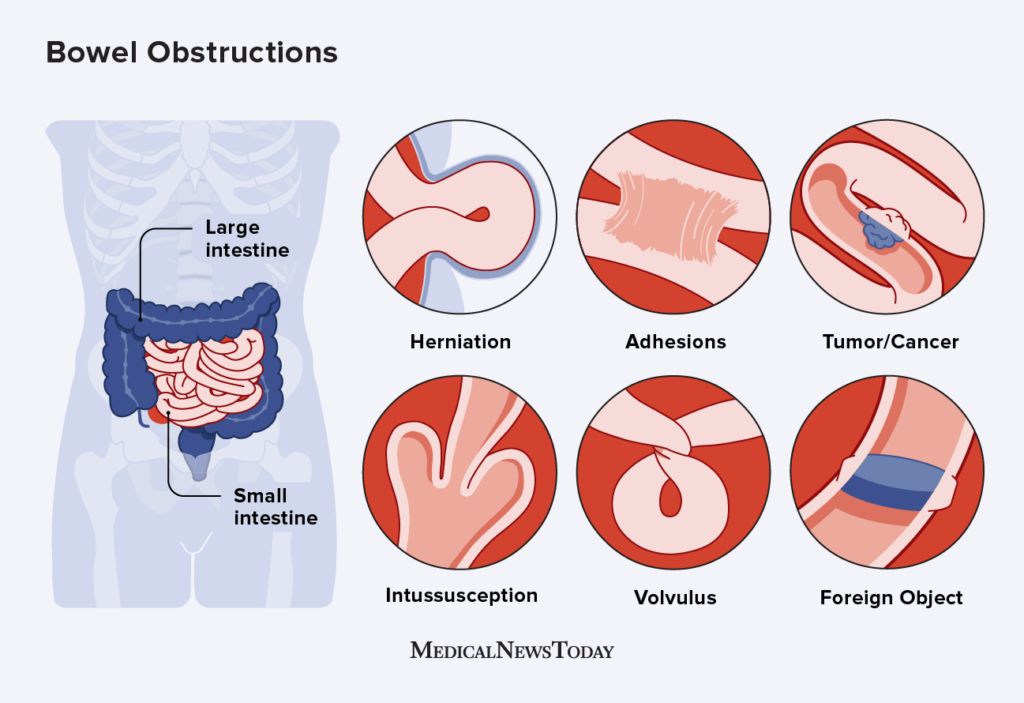
One of the most severe and potentially life-threatening conditions affecting the gastrointestinal tract is a bowel obstruction, also known as an intestinal obstruction. This condition occurs when the normal flow of food, fluids, and gas through the intestines is blocked, leading to severe abdominal pain, vomiting, and constipation. Understanding the causes of bowel obstruction is crucial for preventing and treating this condition effectively.
Mechanical vs. Non-Mechanical Causes
Bowel obstructions can be broadly classified into two categories: mechanical and non-mechanical. Mechanical obstructions are caused by physical blockages or barriers that prevent the intestines from functioning properly. Non-mechanical obstructions, on the other hand, are caused by factors that affect the motility or movement of the intestines, without any physical blockage.
Mechanical Causes:
- Adhesions: These are bands of fibrous tissue that can form between loops of intestine or between the intestine and other organs, often as a result of surgery or inflammation. Adhesions can pull sections of intestine out of place and obstruct the flow of food, fluids, and gas.
- Hernias: A hernia occurs when part of an intestine bulges through a weak spot in the abdominal wall, which can cut off blood supply to the intestine and lead to obstruction.
- Tumors: Both benign and malignant tumors can grow inside or outside the intestine, narrowing the intestinal lumen and causing an obstruction.
- Foreign Bodies: Swallowing non-food items or objects that are too large to pass through the digestive system can lead to bowel obstruction.
- Volvolus: This is a twisting of a portion of the intestine around its base, which can cut off blood flow and lead to tissue death.
Non-Mechanical Causes:
- Paralytic Ileus: Also known as adynamic ileus, this condition involves a temporary cessation of the normal contractions of the bowel muscles, leading to a halt in the movement of food, fluid, and gas through the intestines. This can be caused by surgery, medications, or certain medical conditions.
- Medications: Certain medications, especially narcotics and anticholinergics, can slow down or stop bowel movements, leading to obstruction.
- Electrolyte Imbalance: Severe imbalances in electrolytes such as potassium, sodium, and chloride can affect muscle and nerve function, leading to impaired intestinal motility.
Risk Factors and Prevention
Identifying individuals at risk and understanding how to prevent bowel obstruction is vital. Risk factors include:
- Previous abdominal surgery
- Presence of hernias
- History of tumors
- Previous bowel obstruction
- Use of certain medications
- Underlying medical conditions that affect intestinal motility
Preventive measures include maintaining a healthy diet, staying hydrated, managing chronic conditions, avoiding straining during bowel movements, and seeking medical attention for persistent abdominal pain or other symptoms of bowel obstruction.
Diagnosing Bowel Obstruction
Diagnosis typically involves a combination of physical examination, medical history, imaging tests such as X-rays, CT scans, and possibly an upper GI series or barium enema. Treatment depends on the cause and severity of the obstruction and may involve hospitalization for bowel rest, IV fluids, and possibly surgery to relieve the obstruction.
Conclusion
Bowel obstruction is a serious condition that requires prompt medical attention to prevent complications and ensure the best possible outcomes. Understanding the various causes, from adhesions and hernias to tumors and electrolyte imbalances, is crucial for diagnosis and treatment. Preventive measures and awareness of risk factors can also play a significant role in managing and reducing the incidence of bowel obstructions.
What are the common symptoms of bowel obstruction?
+Common symptoms include severe abdominal pain, vomiting, bloating, and constipation. In severe cases, individuals may experience fever, abdominal tenderness, or blood in the stool.
How is bowel obstruction diagnosed?
+Diagnosis typically involves a combination of physical examination, medical history, and imaging tests such as X-rays, CT scans, and possibly an upper GI series or barium enema.
Can bowel obstruction be prevented?
+While not all cases can be prevented, maintaining a healthy diet, staying hydrated, managing chronic conditions, avoiding straining during bowel movements, and seeking medical attention for persistent abdominal pain or other symptoms can help reduce the risk.
In conclusion, understanding bowel obstruction causes, symptoms, diagnosis, and prevention strategies is essential for individuals and healthcare professionals alike. Early recognition and appropriate management can significantly improve outcomes for those affected by this condition.