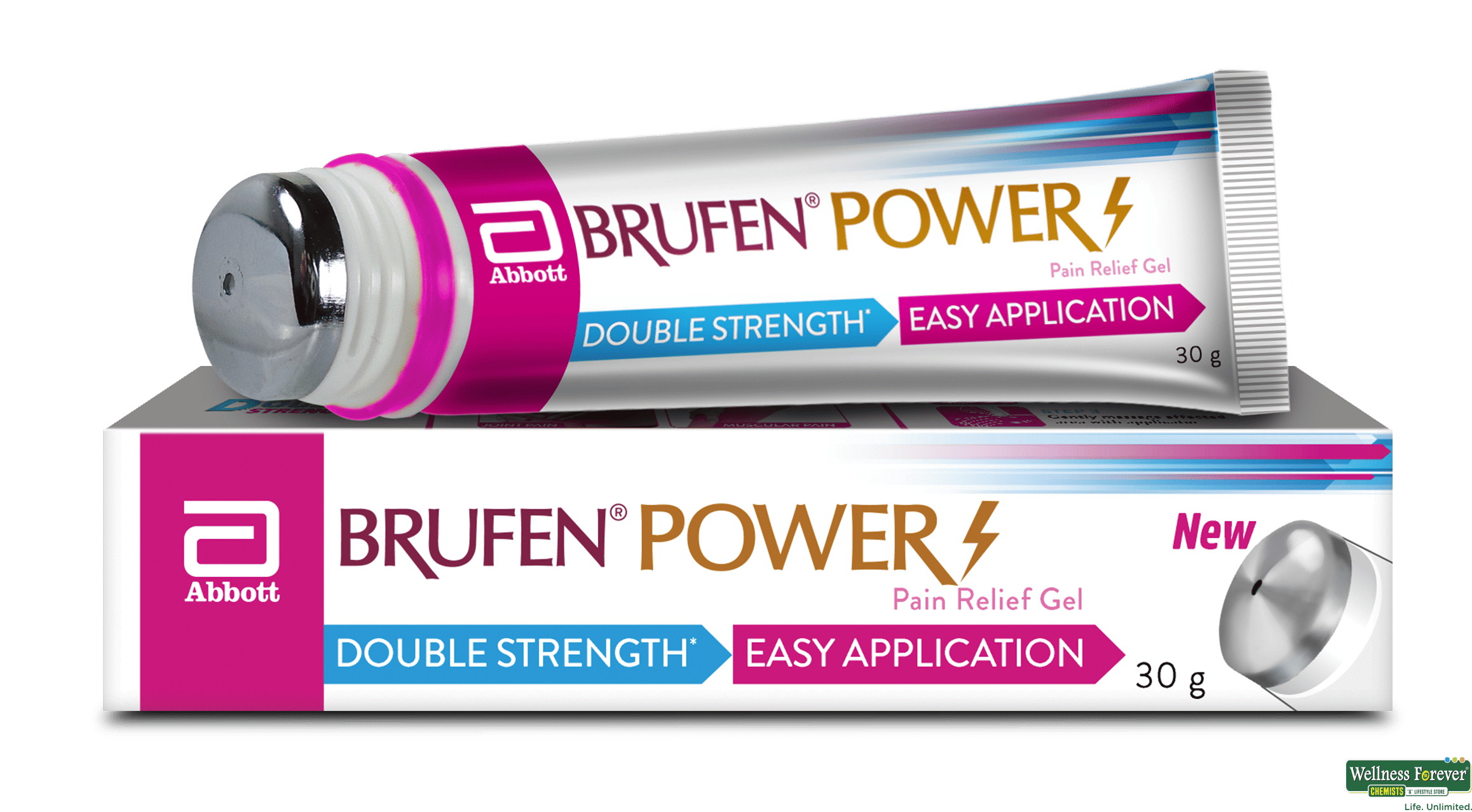
For many individuals, particularly those who experience menstrual cycles, period pain is a recurring and often debilitating issue. The discomfort can range from mild to severe, impacting daily activities and overall quality of life. Among the various over-the-counter medications available for managing period pain, Brufen (ibuprofen) stands out as a popular and effective option. This article delves into the specifics of using Brufen for period pain relief, its mechanism of action, potential side effects, and essential considerations for its use.
Understanding Period Pain
Period pain, medically known as dysmenorrhea, is characterized by cramping in the lower abdomen, which can sometimes radiate to the lower back and thighs. It occurs due to the contraction of the uterine muscles, which is stimulated by hormone-like substances called prostaglandins. These substances are produced by the uterus and cause the uterine muscles to contract, leading to pain. Understanding this underlying mechanism is crucial in appreciating how medications like Brufen work to alleviate period pain.
How Brufen Works
Brufen, or ibuprofen, is a nonsteroidal anti-inflammatory drug (NSAID). Its primary mechanism of action in relieving period pain involves inhibiting the production of prostaglandins. By reducing the amount of these hormone-like substances, ibuprofen decreases uterine contractions, thereby lessening the pain associated with menstruation. Additionally, ibuprofen’s anti-inflammatory properties can help reduce any inflammation in the pelvic region that may exacerbate pain.
Efficacy of Brufen for Period Pain
Numerous studies and clinical trials have demonstrated the efficacy of ibuprofen in managing period pain. When taken as directed, ibuprofen can provide significant relief from menstrual cramps, as well as other symptoms such as headache and back pain that may accompany dysmenorrhea. Its effectiveness is often compared to other NSAIDs and analgesics, with ibuprofen showing favorable results in many cases.
Dosage and Administration
The dosage of Brufen for period pain relief typically ranges from 200mg to 400mg, taken every 4 to 6 hours as needed. However, it’s crucial to follow the recommended dosage on the packaging or as advised by a healthcare provider. Overdosing on ibuprofen can lead to adverse effects, so adherence to the recommended dosage is paramount.
Potential Side Effects
While Brufen is generally well-tolerated, it can cause side effects in some individuals. Common side effects include gastrointestinal upset, such as nausea, heartburn, and stomach cramps. Less common but more serious side effects can include stomach ulcers, increased risk of heart attack or stroke, and allergic reactions. It’s essential to monitor your body’s response to ibuprofen and seek medical advice if any concerning side effects occur.
Considerations for Use
Before using Brufen for period pain relief, several factors should be considered. Individuals with a history of stomach ulcers, bleeding disorders, or allergies to NSAIDs should exercise caution or explore alternative pain management options. Additionally, those taking other medications, such as anticoagulants or certain antidepressants, should consult with their healthcare provider due to potential drug interactions. Pregnant or breastfeeding women are also advised to seek medical guidance before taking ibuprofen.
Alternatives and Complementary Therapies
For individuals who cannot take Brufen or prefer not to use medication, several alternatives and complementary therapies are available. These include applying heat to the lower abdomen, engaging in regular physical activity, practicing relaxation techniques such as deep breathing or meditation, and considering dietary changes that may help reduce period pain. Some people also find relief with alternative therapies like acupuncture, though the evidence supporting these methods can vary.
Conclusion
Brufen (ibuprofen) is a reliable and effective option for managing period pain, thanks to its ability to inhibit prostaglandin production and reduce uterine contractions. By understanding how Brufen works, its potential side effects, and the necessary precautions for its use, individuals can make informed decisions about their period pain management. Always consult with a healthcare provider if questions or concerns arise, as they can offer personalized advice tailored to your specific needs and health status.
How long does it take for Brufen to start working for period pain?
+Brufen (ibuprofen) can start providing relief from period pain within 30 minutes to an hour after ingestion, though this can vary depending on the individual and the severity of the pain.
Can I take Brufen if I have a history of stomach ulcers?
+If you have a history of stomach ulcers, it’s advisable to consult with your healthcare provider before taking Brufen. They can help determine the safest pain management strategy for you, which might include alternative medications or protective measures against gastrointestinal side effects.
Are there any natural alternatives to Brufen for period pain relief?
+Yes, several natural alternatives and complementary therapies can help alleviate period pain. These include applying heat, staying hydrated, practicing relaxation techniques, and considering dietary adjustments. Some individuals also find relief with herbal supplements, though it’s essential to consult with a healthcare provider before adding any new supplements to your regimen.