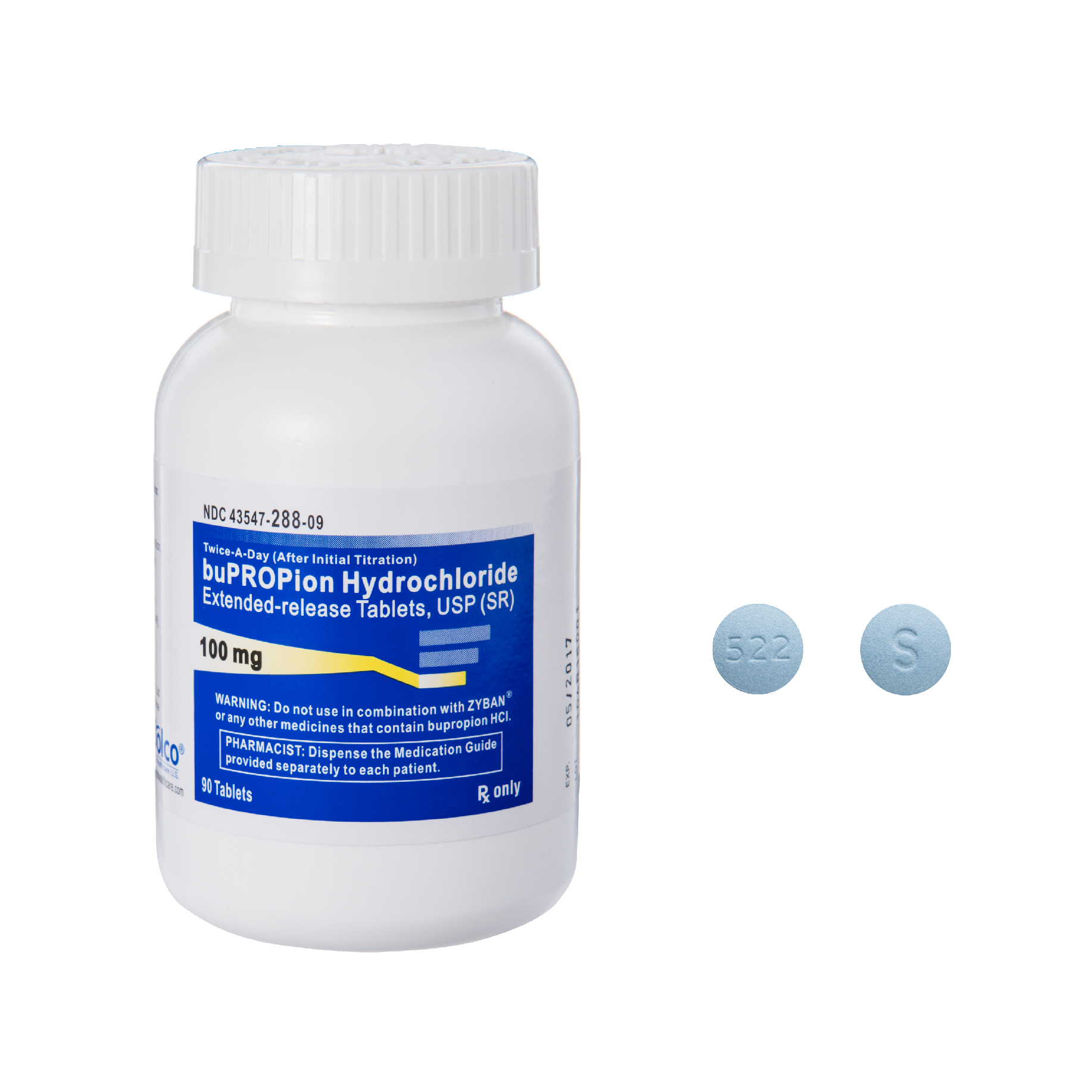
Bupropion, commonly known by its brand name Wellbutrin, has been a cornerstone in the treatment of various mental health conditions for decades. This medication, initially developed as an antidepressant, has shown remarkable efficacy in managing symptoms of depression, seasonal affective disorder, and even smoking cessation. Its unique mechanism of action, distinct from other antidepressants, has sparked interest in its potential benefits for mental health.
Historical Evolution of Bupropion
First introduced in the 1980s, bupropion was initially met with skepticism due to its unique chemical structure, which differed significantly from the tricyclic antidepressants and monoamine oxidase inhibitors (MAOIs) commonly used at the time. However, its efficacy in treating depression, coupled with a favorable side effect profile compared to other available treatments, quickly gained it recognition. Over the years, bupropion has been approved for various indications, including major depressive disorder, seasonal affective disorder, and as an aid to smoking cessation.
Mechanism of Action
Bupropion’s mechanism of action is not fully understood but is believed to involve the inhibition of the reuptake of dopamine and norepinephrine, two neurotransmitters in the brain associated with pleasure and reward. Unlike many other antidepressants that primarily target serotonin, bupropion’s unique action on dopamine and norepinephrine is thought to contribute to its distinct side effect profile and efficacy in certain patient populations. This mechanism also underlies its use in smoking cessation, as it is believed to reduce the cravings and withdrawal symptoms associated with quitting smoking.
Comparative Analysis: Bupropion vs. Other Antidepressants
When compared to other antidepressants, bupropion stands out due to its lack of significant serotonergic activity. This difference is clinically significant, as it tends to have a lower incidence of sexual side effects and weight gain, common complaints with many serotonin-targeting antidepressants. Furthermore, bupropion’s dopaminergic activity is thought to contribute to its energizing effects, making it a preferred option for patients experiencing fatigue or sluggishness as part of their depressive symptomatology.
Expert Insights: Clinical Use of Bupropion
According to clinical psychiatrists, bupropion is particularly useful in patients who have not responded well to first-line treatments or who experience significant side effects from other medications. Its unique profile makes it an attractive option for patients with bipolar depression, as it is less likely to induce manic episodes compared to other antidepressants. However, like all antidepressants, bupropion requires careful monitoring, especially in the initial stages of treatment, due to the risk of increased anxiety or agitation in some individuals.
Myth vs. Reality: Common Misconceptions About Bupropion

One common misconception about bupropion is that it is not as effective as other antidepressants due to its different mechanism of action. However, numerous studies have demonstrated that bupropion is as effective as many other antidepressants in treating depressive symptoms. Another myth is that bupropion is primarily used for smoking cessation; while it is indeed approved for this indication, its primary use remains in the management of depressive disorders.
Decision Framework for Prescribing Bupropion
When considering bupropion as a treatment option, healthcare providers should take into account the patient’s specific symptoms, medical history, and previous responses to treatment. Factors such as the presence of bipolar disorder, history of substance abuse, and potential drug interactions should be carefully evaluated. Given its potential for abuse, although considered to be low, Prescribers must also monitor for signs of misuse.
Future Trends Projection: Emerging Applications of Bupropion
Emerging research suggests that bupropion may have applications beyond its current indications. Its potential benefits in treating attention-deficit/hyperactivity disorder (ADHD), obesity, and even certain addictive disorders are being explored. The neurotransmitter modulation provided by bupropion could offer novel therapeutic strategies for conditions currently treated with less effective or more side effect-prone medications.
Practical Application Guide: Initiating Bupropion Therapy
For healthcare providers initiating bupropion therapy, it is crucial to start with a low dose and gradually increase as needed and tolerated. Patient education on potential side effects, such as insomnia or dry mouth, and the importance of adherence to the prescribed regimen is vital. Regular follow-up appointments to monitor efficacy and side effects are also essential, allowing for timely adjustments to the treatment plan.
Scenario-Based Example: Case Study of Bupropion Use
Consider a patient with a history of major depressive disorder who has failed to achieve adequate symptom relief with selective serotonin reuptake inhibitors (SSRIs) due to intolerable side effects. Bupropion could be considered as an alternative or adjunctive therapy, given its distinct mechanism of action and side effect profile. This approach might offer the patient relief from depressive symptoms without the burden of sexual dysfunction or weight gain commonly associated with SSRIs.
Technical Breakdown: Pharmacokinetics of Bupropion
Bupropion is metabolized in the liver to its active metabolites, which contribute to its therapeutic effects. Its pharmacokinetic profile supports twice-daily dosing, although a sustained-release formulation is available for once-daily administration. Understanding the pharmacokinetics of bupropion is essential for predicting drug interactions and tailoring dosing regimens to individual patient needs.
Conceptual Exploration: Theoretical Underpinnings of Bupropion’s Efficacy
The efficacy of bupropion in treating depression and aiding in smoking cessation can be understood through the lens of its impact on brain reward pathways. By increasing the availability of dopamine and norepinephrine, bupropion enhances the reward value of non-smoking behaviors and improves mood, thereby reducing the reinforcing effects of nicotine and depressive symptoms.
FAQ Section
What is bupropion primarily used for?
+Bupropion is primarily used for the treatment of major depressive disorder and seasonal affective disorder. It is also approved as an aid to smoking cessation and sometimes used off-label for attention-deficit/hyperactivity disorder (ADHD) and certain other conditions.
How does bupropion differ from other antidepressants?
+Bupropion differs from many other antidepressants in its mechanism of action, primarily affecting dopamine and norepinephrine rather than serotonin. This unique action contributes to its side effect profile and efficacy in certain patient populations.
Can bupropion be used in patients with bipolar disorder?
+Bupropion can be used cautiously in patients with bipolar disorder, particularly for the treatment of depressive episodes, as it is less likely to induce manic episodes compared to other antidepressants. However, it should be used under close supervision and ideally as part of a mood stabilizer regimen.
What are common side effects of bupropion?
+Common side effects of bupropion include dry mouth, nausea, insomnia, and tremors. It is also known for having a lower risk of sexual side effects and weight gain compared to many other antidepressants.
How long does it take for bupropion to start working?
+The onset of action of bupropion can vary, but improvements in depressive symptoms or smoking cessation efforts are typically seen within 1-4 weeks of starting treatment. It is essential to continue the medication as prescribed, even if benefits are not immediately apparent.
Key Takeaways
Thought Experiment: The Future of Bupropion in Mental Health Treatment
Considering the evolving landscape of mental health treatment, it’s intriguing to speculate on the potential future applications of bupropion. As our understanding of neurochemical pathways and their role in psychiatric disorders deepens, medications like bupropion, with its distinct mechanism of action, may play increasingly important roles. The challenge lies in continuing to uncover the full therapeutic potential of such medications while ensuring their safe and effective use for the benefit of patients worldwide.