The sudden, searing sensation of a burn can be a harrowing experience, leaving one grasping for immediate relief. Burns, which account for a significant number of injuries worldwide, can range from mild to severe and require swift, appropriate treatment to prevent further damage and facilitate healing. While severe burns necessitate medical attention, milder burns can often be managed with home remedies, provided one understands the basics of burn treatment and the remedies that are both safe and effective.
Understanding Burns
Before delving into home remedies, it’s crucial to understand the classification of burns, as the severity dictates the course of treatment. Burns are categorized into three main types:
- First-degree burns affect only the outermost layer of the skin, causing redness, swelling, and pain. They are the mildest form of burns.
- Second-degree burns extend into the middle layer of the skin, leading to blisters, in addition to redness and pain. These are more severe than first-degree burns and can be further divided into superficial and deep second-degree burns.
- Third-degree burns are the most severe, extending through all layers of the skin and potentially into underlying tissues. They can appear white, leathery, or charred and may not be painful due to nerve damage.
Immediate Response to Burns
Regardless of the severity, the immediate response to a burn should follow the cool, cover, and seek medical attention if necessary principle:
- Cool the burn: Run cool tap water over the burn for about 10 minutes or apply a cool, wet compress. Never use ice or ice water, as this can cause further damage.
- Cover the burn: Use a non-stick, sterile bandage or dressing to cover the burn. This helps protect the burn from further irritation and infection.
- Seek medical attention if necessary: For severe burns (third-degree), large second-degree burns, or if you’re unsure of the severity, seek medical help immediately.
Home Remedies for Burn Relief
Several home remedies can provide relief and aid in the healing process of mild to moderate burns. However, it’s essential to ensure these remedies are used appropriately and do not substitute for medical care when it’s needed.
Aloe Vera Gel: Known for its soothing properties, aloe vera can help reduce redness, swelling, and pain. Apply a generous amount to the affected area several times a day.
Honey: With its antibacterial properties, honey can help prevent infection and promote healing. Apply a thin layer of pure honey to the burn, then cover with a dressing.
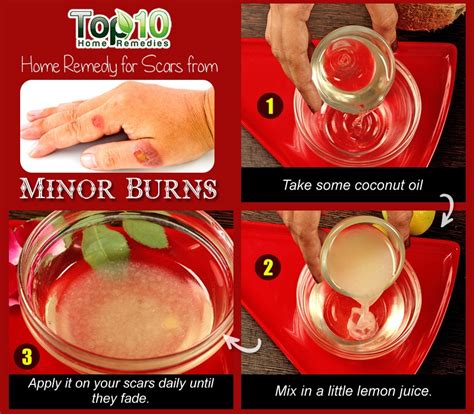
Coconut Oil: After the burn has cooled and is no longer open, coconut oil can be applied to moisturize the skin and aid in the healing process.
Oatmeal Baths: Oatmeal has long been recognized for its soothing properties, making it an excellent remedy for burn relief. Colloidal oatmeal can be added to bath water to help soothe and calm the skin.
Tea Tree Oil: Diluted tea tree oil ( Mixed with a carrier oil like coconut or olive oil) can be applied to minor burns due to its antiseptic properties, helping prevent infection.
Vitamin E Oil: Applying vitamin E oil to the burn site after it has healed can help reduce the appearance of scars.
Precautions and Considerations
- Avoid applying ice or ice water directly to burns, as this can cause further damage to the tissues.
- Refrain from breaking blisters, as this can lead to infection. If a blister breaks, clean it with mild soap and water, apply an antibiotic ointment, and cover it with a non-stick bandage.
- Do not apply home remedies to severe burns. Third-degree burns and large second-degree burns require immediate medical attention.
- Monitor for signs of infection, such as increased redness, swelling, pus, or fever, and seek medical help if these occur.
Preventing Burns
Prevention is always the best medicine. Taking steps to prevent burns can minimize the risk of injury:
- Be cautious with fire and electrical appliances.
- Use protective gear when engaging in activities that might result in burns.
- Ensure children are supervised around potential burn hazards.
- Maintain a safe distance from flames and heaters.
Conclusion
Burns can be painful and debilitating, but with the right approach, many can be managed effectively with home remedies. It’s crucial, however, to differentiate between burns that can be safely treated at home and those that require professional medical care. By understanding the severity of a burn and applying appropriate home remedies, individuals can find relief and support the healing process. Always remember, when in doubt, it’s best to consult with a healthcare professional to ensure the best possible outcome.
What is the first step in treating a burn?
+The first step in treating a burn is to cool the burn with cool tap water for about 10 minutes. This helps reduce the temperature of the skin and ease the pain. Never use ice or ice water.
Can I use any home remedy on a severe burn?
+No, severe burns (third-degree) and large second-degree burns require immediate medical attention. Home remedies are not a substitute for professional medical care in such cases.
How can I prevent infection in a burn wound?
+To prevent infection, keep the burn clean, apply antibiotic ointment, and cover it with a non-stick dressing. Monitor for signs of infection, such as increased redness, swelling, or pus, and seek medical help if these occur.
By being informed and prepared, we can not only treat burns effectively but also work to prevent them, ensuring a safer, healthier environment for everyone.